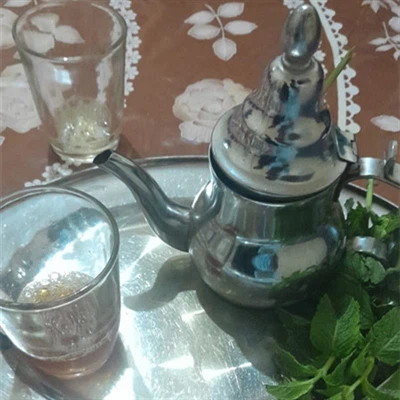
As a well - established supplier of Famous Tea, I've had the privilege of exploring and understanding the rich tapestry of traditional tea - drinking methods around the world. These time - honored practices not only enhance the enjoyment of tea but also preserve cultural heritages. In this blog, I'll take you on a journey through the traditional ways of drinking some of the most famous teas.
Chinese Green Tea Sencha
Chinese green tea, particularly Sencha, is renowned for its fresh, grassy flavor and numerous health benefits. The traditional Chinese way of brewing Sencha is a meticulous process that respects the tea's delicate nature.
First, you need to select high - quality tea leaves. Our Chinese Green Tea Sencha Foil Bag Packing ensures that the tea leaves are well - preserved, maintaining their freshness and flavor. The foil bag protects the leaves from air, light, and moisture, which are the main culprits in degrading the tea's quality.
When it comes to brewing, the water temperature is crucial. For Sencha, the ideal water temperature is around 70 - 80°C (158 - 176°F). Boiling water can scorch the delicate leaves, resulting in a bitter taste. Use a porcelain or glass teapot or cup, as these materials do not interfere with the tea's flavor.
Put about 2 - 3 grams of Sencha leaves per 100 ml of water into the teaware. Let the tea steep for 1 - 2 minutes. The first infusion is usually very light, and it's more about awakening the leaves. Subsequent infusions, which can be extended to 2 - 3 minutes each, bring out more complex flavors.
In Chinese culture, tea - drinking is often a social and meditative activity. It is common to share a pot of Sencha with family, friends, or business partners while engaging in conversation. It is also a practice that promotes mindfulness, as one takes the time to appreciate the aroma, taste, and appearance of the tea.
Matcha Green Tea
Matcha is a special type of powdered green tea that originated in China and later became extremely popular in Japan. The preparation of Matcha is quite different from other teas.
The traditional Japanese way of making Matcha involves using a bamboo whisk, called a chasen, and a special ceramic bowl, called a chawan. First, sift the Matcha powder to break up any clumps. For a single serving, use about 1 - 2 grams of Matcha powder.
Heat water to around 70°C (158°F). Pour about 50 - 60 ml of water into the chawan with the Matcha powder. Then, use the chasen to whisk the mixture in a zig - zag motion until a frothy layer forms on the surface. The whisking process not only blends the powder and water but also aerates the tea, creating a creamy texture and enhancing the flavor.
Matcha is often associated with the Japanese Tea Ceremony, a ritual that emphasizes harmony, respect, purity, and tranquility. In the ceremony, every movement of the tea - master is precisely choreographed, from the way the tea is prepared to the way it is served to the guests. It is a profound cultural experience that requires patience and appreciation.
Pu - erh Tea
Pu - erh tea, a fermented tea from Yunnan, China, has a unique earthy and mellow flavor. There are two main types of Pu - erh: raw (Sheng) and ripe (Shou).
For raw Pu - erh, the brewing method is somewhat different from other teas. The tea leaves are quite hardy, so it can tolerate boiling water (100°C or 212°F). Use a Yixing clay teapot, which is porous and can absorb the tea's flavor over time, enhancing the taste of subsequent brews.
Rinse the tea leaves with boiling water first for a few seconds to remove any dust or impurities and to awaken the leaves. Then, pour in fresh boiling water and let it steep for about 15 - 30 seconds for the first infusion. As you make more infusions, you can gradually increase the steeping time. The number of infusions can be quite high, sometimes reaching up to 10 or more, with each infusion presenting different flavor profiles.
Ripe Pu - erh is more mellow and less astringent. It can also be brewed with boiling water, but the steeping time may be slightly shorter. The aging process of Pu - erh tea also affects its taste. Older Pu - erh teas are often more highly valued for their smooth and complex flavors.

Black Tea (English Breakfast Tea as an Example)
English Breakfast Tea is a well - known blend of black teas, usually a combination of Assam, Ceylon, and Kenya teas. In the UK, tea - drinking is a long - standing tradition.
The traditional way to make English Breakfast Tea starts with warming the teapot. This helps to keep the tea at an optimal temperature throughout the brewing process. Then, use about one teaspoon of tea leaves per cup, plus an extra one for the pot.
Boil fresh, cold water. Pour the boiling water over the tea leaves in the teapot and let it steep for 3 - 5 minutes. The tea should be strong and bold. After steeping, strain the tea into cups.
Many people in the UK like to add milk and sugar to their black tea. The milk can mellow the strong flavor of the tea, and sugar adds a touch of sweetness. It is often served with morning pastries or with a meal, such as lunch or dinner.
Oolong Tea
Oolong tea falls between green and black tea in terms of oxidation. It has a complex flavor profile that can range from floral and fruity to creamy and nutty.
The traditional method of brewing Oolong tea in Taiwan is called Gongfu tea brewing. First, select a small Yixing teapot or a Gaiwan (a covered bowl). Rinse the teaware with boiling water to warm it up.
Use a relatively high proportion of tea leaves, about half to two - thirds of the teapot's volume. Pour boiling water over the leaves and immediately discard the first infusion, which is mainly for rinsing the leaves.
For subsequent infusions, use boiling water and steep for 15 - 30 seconds for the first few infusions. As the tea is infused multiple times, gradually increase the steeping time. The short steeping times and multiple infusions allow you to extract the different layers of flavor from the Oolong tea.
Famous Tea for Different Markets
At our company, we offer gunpowder tea and chunmee tea , which is carefully selected and processed to meet the specific preferences of the north African,west African and European consumers. We also adhere to the EU standard 3505 gunpowder green tea for our tea products, ensuring high - quality and safe tea for our customers.

If you are interested in exploring the world of famous teas, whether you are a small tea shop owner looking to expand your product range, a distributor seeking reliable tea suppliers, or an individual tea enthusiast wanting to stock up on high - quality tea, we are here to provide you with the best tea products and services. We can offer customized blends, different packaging options, and competitive prices.
We invite you to contact us to start a procurement discussion. We believe that our famous teas can bring new and exciting experiences to your customers or to your personal tea - drinking moments. Let's work together to promote the wonderful world of tea!
References
- "The Book of Tea" by Kakuzo Okakura
- "All About Tea" by Jane Pettigrew and Bruce Richardson
- "Tea: A Global History" by Helen Saberi