Hey there! I'm a supplier of Famous Tea, and I've been in this industry for quite some time. Over the years, I've witnessed firsthand how famous teas can have a significant impact on local economies. In this blog post, I'll share my insights on how these beloved beverages contribute to the economic well - being of the regions where they're produced.
1. Job Creation
One of the most obvious ways famous teas contribute to local economies is through job creation. From the tea plantations to the processing factories, there are numerous positions available. On the plantations, workers are needed for tasks like plucking the tea leaves. This requires a certain level of skill and knowledge, as only the top - most tender leaves are usually selected for high - quality teas.
In the processing facilities, jobs range from sorting and grading the leaves to packaging the final product. There are also administrative and sales positions that support the overall business. For instance, in a small town where a famous tea brand is based, the tea industry might be the main employer. This not only provides income for the local residents but also helps in reducing unemployment rates.

2. Agricultural Development
Famous teas are often tied to specific regions because of the unique climate and soil conditions required for their growth. For example, some green teas thrive in mountainous areas with high humidity and well - drained soil. This encourages local farmers to invest in tea cultivation. They learn about modern farming techniques, such as proper fertilization and pest control, to ensure a good harvest.
Moreover, the tea industry can lead to the development of related agricultural activities. For example, farmers might grow cover crops between tea bushes to improve soil fertility. This diversification can increase overall agricultural productivity in the region.

3. Tourism Boost
Many famous tea - producing regions have become tourist attractions. People from all over the world are interested in visiting tea plantations to learn about the tea - making process, taste different varieties, and enjoy the beautiful scenery. This influx of tourists brings in additional revenue for the local economy.
Local businesses such as hotels, restaurants, and souvenir shops benefit greatly from the tourism. Tourists might stay in local guesthouses, dine at local eateries, and buy tea - related products as souvenirs. For example, in some areas, visitors can participate in tea - picking experiences and tea - tasting workshops, which not only provide a unique experience but also generate income for the local community.
4. Export Revenue
Famous teas have a global market. They are exported to various countries, bringing in foreign exchange for the local economy. For example, my company exports Famous Tea 25g To Western African Market to meet the growing demand in Western Africa. This kind of international trade helps in balancing the trade deficit and strengthens the local currency.
The export of famous teas also promotes the region's brand on a global scale. When people around the world enjoy a particular type of tea, they associate it with the region where it's produced. This can lead to more opportunities for other local products and services to enter the international market.
5. Value - added Products
Famous teas are not just sold as loose leaves or in tea bags. They can be used to create a wide range of value - added products. For example, tea - infused cosmetics, such as facial creams and body lotions, are becoming increasingly popular. These products have a higher profit margin compared to the raw tea leaves.
Tea - based beverages like ready - to - drink teas and tea lattes are also in high demand. By diversifying the product range, local tea producers can increase their revenue streams. For instance, a local tea company might partner with a food manufacturer to produce tea - flavored snacks. This not only creates more jobs but also adds value to the local tea industry.
6. Meeting International Standards
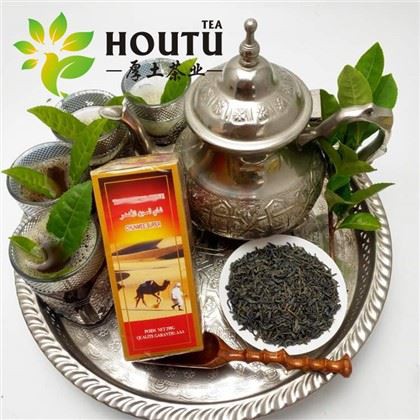
To be competitive in the global market, famous tea producers need to meet international standards. For example, the EU standard 3505 sets certain criteria for the quality and safety of tea products. By adhering to these standards, local tea producers can access larger markets and command higher prices for their products. And our Gunpowder Tea 3505AAA has got many international standards.
Meeting these standards also requires investment in technology and quality control systems. This, in turn, promotes the development of the local manufacturing and service sectors. For example, local companies might invest in advanced tea - processing equipment or hire quality control experts to ensure that their products meet the required standards.
7. Brand Building
Famous teas often have strong brand identities. These brands not only represent the quality of the tea but also the culture and heritage of the region. For example, Bold & Strong Gunpowder Tea For North African Mint Tea 3505AAA has a long - standing reputation for its unique flavor and aroma.
A strong brand can attract more customers, both locally and internationally. It also gives local tea producers a competitive edge in the market. By building a well - known brand, local tea industries can increase their market share and profitability.
Connecting for Business
If you're interested in exploring our range of famous teas or want to discuss potential business opportunities, I'd love to hear from you. Whether you're a tea retailer, a wholesaler, or someone looking to start a tea - related business, we can work together to meet your needs.
In conclusion, famous teas play a vital role in local economies. They create jobs, promote agricultural development, boost tourism, generate export revenue, and contribute to the overall economic growth of the regions where they're produced. If you're passionate about tea and want to be a part of this exciting industry, don't hesitate to reach out and start a conversation.
References
- Smith, J. (2018). The Economic Impact of the Tea Industry. Journal of Agricultural Economics.
- Brown, A. (2019). Tea Tourism: A Growing Trend. Tourism Research Journal.
- Green, M. (2020). International Standards in the Tea Trade. Global Trade Review.