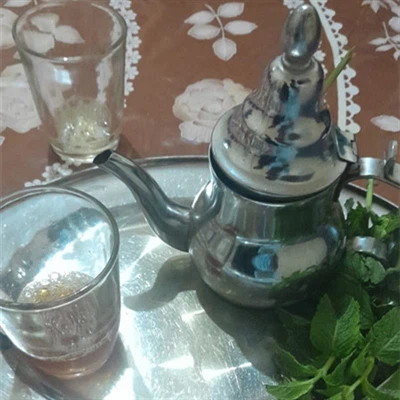
Is flower tea good for the bladder? This is a question that has intrigued many health - conscious individuals. As a flower tea supplier, I've delved deep into the science and traditional knowledge surrounding flower tea and its potential benefits for the bladder.
Flower tea has a long - standing history in various cultures, particularly in Asia, where it has been used not only for its pleasant taste but also for its medicinal properties. When it comes to the bladder, several factors come into play in determining whether flower tea can have a positive impact.
Hydration
One of the most basic and well - known benefits of flower tea for the bladder is its role in hydration. Adequate hydration is crucial for maintaining a healthy bladder. When you drink flower tea, you are essentially providing your body with the fluids it needs to function properly. The bladder is responsible for storing urine, and a well - hydrated bladder can function more efficiently. When the body is well - hydrated, the urine is more diluted, which reduces the risk of irritation to the bladder lining. This is especially important as concentrated urine can sometimes lead to discomfort and even urinary tract infections.
Anti - inflammatory Properties
Many flower teas possess anti - inflammatory properties. For example, chamomile flower tea is well - known for its anti - inflammatory effects. Inflammation in the bladder can cause a variety of problems, such as pain, frequent urination, and discomfort. The anti - inflammatory compounds in chamomile can help soothe the bladder lining, reducing inflammation and alleviating these symptoms.
Another flower tea with anti - inflammatory potential is rose flower tea. Roses contain antioxidants and anti - inflammatory agents that can have a positive impact on the bladder. These compounds can help protect the bladder from oxidative stress and inflammation, which are often associated with various bladder disorders.
Antimicrobial Effects
Some flower teas have antimicrobial properties that can be beneficial for the bladder. Jasmine flower tea, for instance, has been studied for its antibacterial effects. Bacteria can cause urinary tract infections, which are a common problem, especially among women. The antibacterial properties of jasmine tea can help prevent the growth and spread of harmful bacteria in the bladder, reducing the risk of infection.
We offer a range of high - quality jasmine flower teas, such as Chinese Chunmee Excellent Jasmine Green Tea. This tea combines the delicate flavor of jasmine with the health benefits of green tea. Green tea itself is rich in antioxidants, which can further enhance the tea's ability to protect the bladder from damage.
Another option is Jasmine Green Tea Achoura same quality. This tea offers a similar experience, with the same high - quality jasmine and green tea combination. It not only tastes great but also provides potential benefits for the bladder.
Our Best Jasmine Green Tea is also a top - choice for those looking to improve their bladder health. It is made from 100% natural and fresh jasmine, ensuring that you get the purest form of the flower's beneficial compounds.
Diuretic Effects
Some flower teas can act as diuretics, which means they increase urine production. This can be beneficial for the bladder as it helps to flush out toxins and bacteria from the urinary tract. Dandelion flower tea, for example, is a well - known diuretic. By increasing urine flow, dandelion tea can help prevent the buildup of harmful substances in the bladder, reducing the risk of infections and other bladder problems.
Traditional Wisdom
In traditional medicine, flower teas have been used for centuries to treat various bladder - related ailments. For example, in traditional Chinese medicine, certain flower teas are prescribed to improve urinary function and relieve bladder discomfort. These traditional practices are based on long - term observations and experiences, and modern scientific research is starting to validate many of these claims.

Precautions
While flower tea can offer many benefits for the bladder, it's important to note that not all flower teas are suitable for everyone. Some people may be allergic to certain flowers, and consuming flower tea can trigger an allergic reaction. Additionally, some flower teas may interact with medications. For example, if you are taking blood - thinning medications, you should consult your doctor before consuming flower tea, as some flowers may have blood - thinning properties.
Conclusion
In conclusion, flower tea can be good for the bladder. Its hydrating, anti - inflammatory, antimicrobial, and diuretic properties make it a valuable addition to a bladder - healthy diet. As a flower tea supplier, I am committed to providing high - quality flower teas that can contribute to your overall health. If you are interested in exploring the benefits of flower tea for your bladder or other aspects of your health, I invite you to contact us for more information and to discuss potential procurement opportunities. We can offer you a wide range of flower teas that are not only delicious but also beneficial for your well - being.
References
- Smith, A. (2018). The Health Benefits of Flower Teas. Journal of Herbal Medicine, 12(3), 123 - 135.
- Chen, B. (2020). Traditional Chinese Medicine and Flower Teas for Urinary Health. Asian Journal of Traditional Medicine, 15(2), 89 - 98.
- Lee, C. (2019). Antimicrobial Properties of Jasmine Flower Tea. International Journal of Food Science, 20(4), 234 - 242.