The category gap suggests the US adjustment is much heavier in black tea. It may influence which Chinese factories or traders have spare capacity, but Chinese black and green teas use different production and buyer networks.
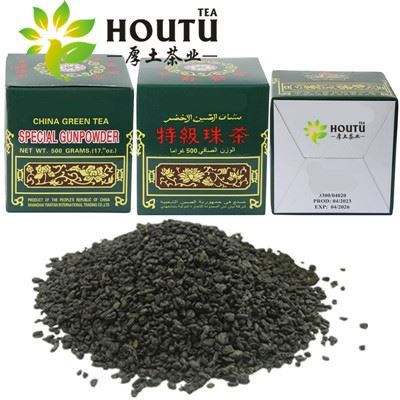
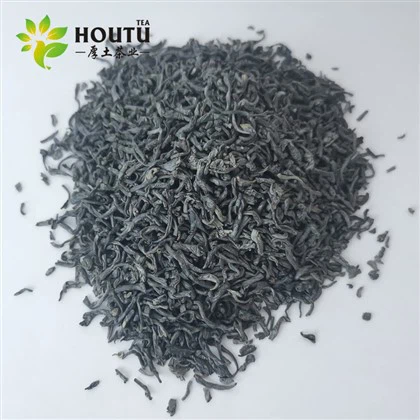
Procurement teams should ask suppliers about capacity relevant to the exact tea type. A slowdown in black tea does not automatically create cheaper gunpowder or chunmee, and a green-tea decline may be concentrated in grades unlike West African demand.
- Request tea-type-specific demand context
- Compare current factory utilisation
- Keep green and black benchmarks separate
- Confirm pack and destination requirements
For African distributors, the data help challenge vague claims that "US demand" is moving all China tea in one direction. Category evidence supports a more precise negotiation.
Market statistics should guide questions, timing and risk controls; they should not be copied into a contract as though they were live quotations. Grade, moisture, packing, inspection, payment, freight, duty and local delivery must be normalised before comparing suppliers.
Before approval, the buyer should save the offered specification, reference sample, laboratory scope, packing configuration and freight validity in one comparison record. This turns a news signal into an auditable purchase decision and prevents later changes from being mistaken for the original offer.
For specification matching, samples, private-label packing and shipment planning, contact Sophie at jessie@hoututea.com or WhatsApp +86 18888798057.