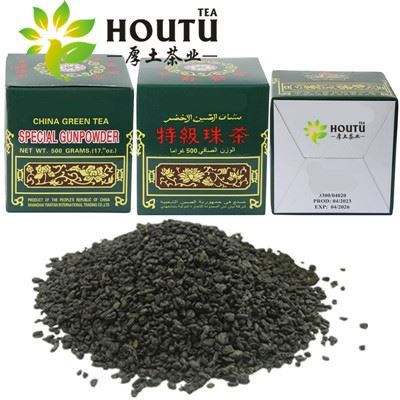
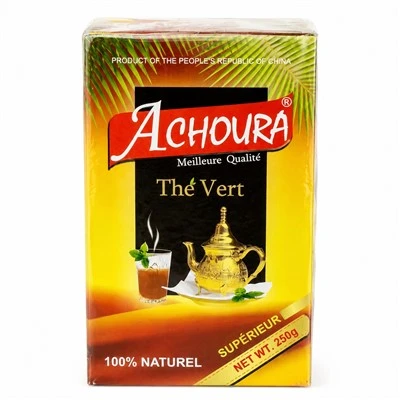
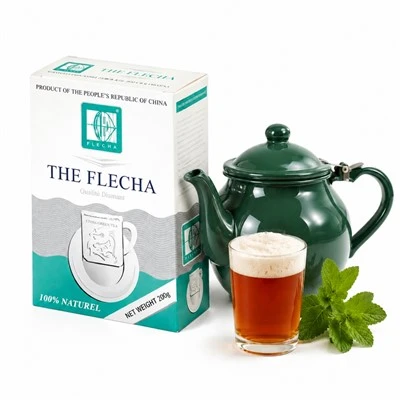
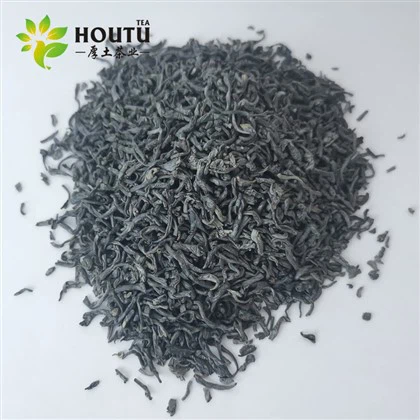
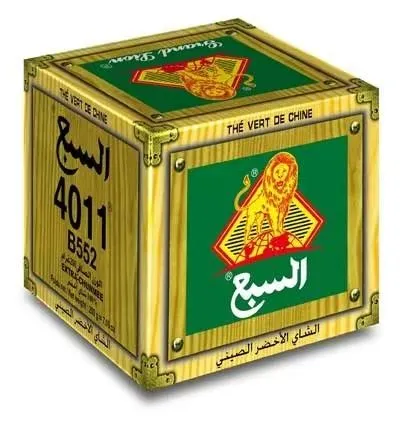
West African importers should watch whether Chinese suppliers redirect production or negotiate more actively. This can create opportunities in selected grades without overturning the broader firm green-tea unit-value trend.
July alone was especially weak at about 511.2 tonnes, down 49%. The sharp volume-price split can reflect tariffs, mix, inventories or sourcing changes; it should not be reduced to a single global China price signal.
For buyers outside the US, weaker American volume may free some Chinese capacity, but higher reported value indicates that the released supply may not be the same grade or price segment they need. Factory-level confirmation remains essential.
- Ask factories about destination reallocation
- Compare grade-specific capacity
- Do not import US tariff effects into Africa blindly
- Use fresh FOB quotes
Market statistics should guide questions, timing and risk controls; they should not be copied into a contract as though they were live quotations. Grade, moisture, packing, inspection, payment, freight, duty and local delivery must be normalised before comparing suppliers.
Before approval, the buyer should save the offered specification, reference sample, laboratory scope, packing configuration and freight validity in one comparison record. This turns a news signal into an auditable purchase decision and prevents later changes from being mistaken for the original offer.
For specification matching, samples, private-label packing and shipment planning, contact Sophie at jessie@hoututea.com or WhatsApp +86 18888798057.