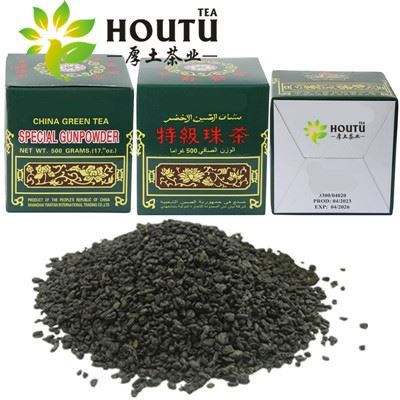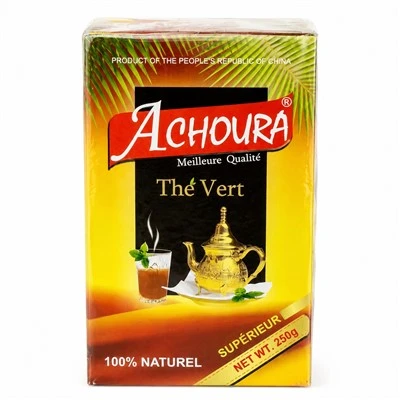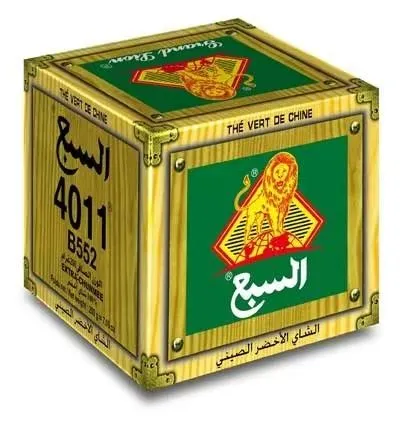
The coordinated growth indicates strong regional demand for China tea and potentially tighter competition for familiar green-tea grades and packing capacity. It also raises credit, transit and inventory questions because Sahel markets often depend on coastal gateways.
For HOUTU TEA customers in these markets, earlier production booking and flexible shipment call-offs can protect supply. Product specifications and country labels should remain disciplined even when regional demand is strong.
Buyers should plan around inland transit as well as ocean arrival. Port release, corridor security, border formalities and local currency funding can determine the real replenishment time more than the factory schedule.
- Reserve peak-season production slots
- Map port-to-inland lead time
- Protect country-specific labels
- Match payment timing to inventory turn
Market statistics should guide questions, timing and risk controls; they should not be copied into a contract as though they were live quotations. Grade, moisture, packing, inspection, payment, freight, duty and local delivery must be normalised before comparing suppliers.
Before approval, the buyer should save the offered specification, reference sample, laboratory scope, packing configuration and freight validity in one comparison record. This turns a news signal into an auditable purchase decision and prevents later changes from being mistaken for the original offer.
For specification matching, samples, private-label packing and shipment planning, contact Sophie at jessie@hoututea.com or WhatsApp +86 18888798057.