A large regional survey shows that finance, border procedures, transport and market information shape how food products move through West African markets.
|
3,225
Food traders surveyed across eight West African countries.
|
83%
Surveyed traders who were unregistered and lacked an import/export certificate.
|
40%
Respondents identifying trade procedures or loan access among major issues.
|
What the Survey Found
The OECD Sahel and West Africa Club surveyed 3,225 food traders operating in major market hubs across Benin, Côte d'Ivoire, Ghana, Liberia, Nigeria, Senegal, Sierra Leone and Togo. The research focused on the people and businesses that physically move food products through the region, including both formal and informal operators.
The findings show a highly networked trading environment. Many traders work across borders and handle several product groups, but a large share operate without formal registration or import-export certification. Access to loans, border procedures, security, transport infrastructure and reliable market information were repeatedly identified as constraints.

Why This Matters for Tea Brands
Tea imported into one West African port may later move through wholesalers, regional distributors and small retail shops before reaching the consumer. The route from container arrival to final sale can therefore be as important as the overseas purchase itself.
For tea brands, a distributor's local network, working capital and ability to manage border procedures may determine whether the product remains available in multiple cities. A strong brand can lose momentum if the distributor cannot finance inventory, move cartons efficiently or provide retailers with regular supply.

Product Design Must Fit the Distribution Reality
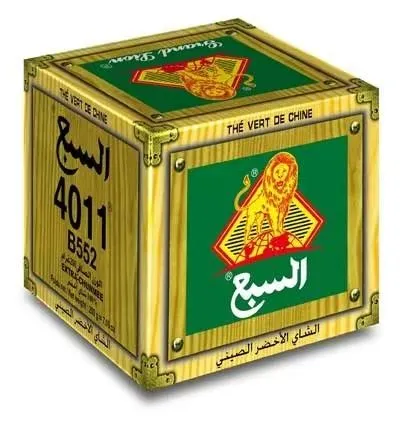
The survey helps explain why small pack sizes, recognisable colours and durable cartons can be commercially important. Retailers often work with limited cash and limited storage, while consumers may purchase frequently in smaller quantities.
Importers should test not only the tea but also the commercial format. A package that performs well in a modern supermarket may be too expensive, too delicate or too large for a traditional market channel. The best portfolio may include a trial pack, a core household pack and a larger value pack for frequent users.
Commercial Watchpoints
What to Monitor Next
The next step is to watch how AfCFTA and ECOWAS trade facilitation measures affect border procedures and regional distribution. Buyers should also track local currency conditions, fuel prices and access to financing because these factors directly influence inventory turnover.