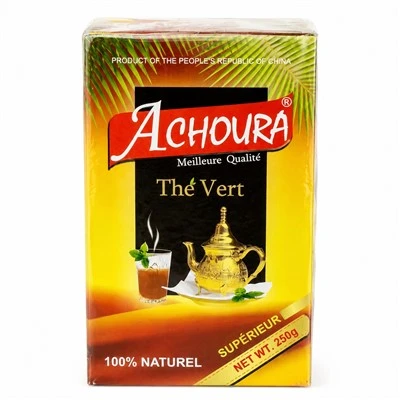
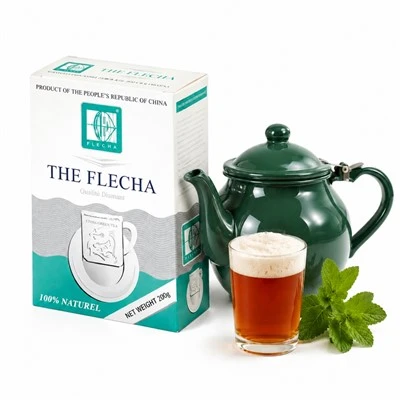
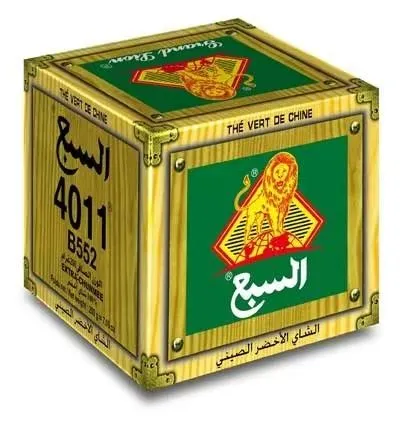
Kenya's draft standard signals closer attention to food-contact safety, moisture protection, light protection and retail labelling.
|
Retail Scope
Tea bags, pouches, instant tea and ready-to-drink tea are covered.
|
WTO TBT
The draft was notified through the WTO technical-barriers system.
|
Early Review
Exporters are advised to test materials and update labels before implementation.
|
What the Draft Standard Covers
Kenya notified a draft specification for tea packets and containers in March 2026. The proposal applies to several retail formats, including tea bags, tea packaging pouches, instant tea and ready-to-drink tea.
The technical focus includes food-contact suitability, packaging performance and product information. Customs guidance advises exporters to examine moisture transmission, light protection, material safety and labelling rather than treating the package as a purely visual component.

Why Packaging Performance Matters for Tea
Tea can absorb moisture and external odours, while prolonged exposure to heat, air and light can reduce aroma and freshness. A visually attractive pouch may therefore fail if its barrier properties are unsuitable for the climate or distribution period.
For African markets, packaging may pass through hot ports, humid warehouses, long road journeys and repeated handling. Inner material, seals and outer cartons must work together. A damaged inner seal or weak carton can create complaints even when the tea left the factory in good condition.

A Wider Compliance Signal
The Kenyan draft directly concerns its own market, but it also reflects a wider international direction. Importers and regulators increasingly expect clearer food-contact documentation, accurate labels and packaging that protects the product throughout its shelf life.
Private-label buyers should request the material structure and supplier declarations before approving artwork. Changing the film after printing or production has started can cause delays and waste.
Commercial Watchpoints
What to Monitor Next
Exporters should follow the final Kenyan standard and watch whether other African markets adopt similar requirements. Buyers should review new packaging specifications before reprinting large quantities of cartons or pouches.