The first-quarter figure confirms strong international activity, while quality control, documentation and reliable delivery remain central to winning repeat orders.
|
RMB 2.7B
China's tea export value in the first quarter of 2026.
|
Q1 2026
Period covered by the national customs figure.
|
Spring Peak
Factories and exporters entered a busy season for new-crop orders.
|
What Happened
The General Administration of Customs of China reported that tea exports reached RMB 2.7 billion during the first quarter of 2026. The customs update described a busy spring export season as factories processed new-crop orders and prepared shipments for overseas customers.
The national figure is important because it reflects the scale and diversity of China's tea export system rather than the performance of one producing area or one company. China supplies green tea, jasmine tea, black tea, instant tea and other formats to markets with very different taste, packaging and regulatory requirements.

Why National Export Scale Matters to Buyers
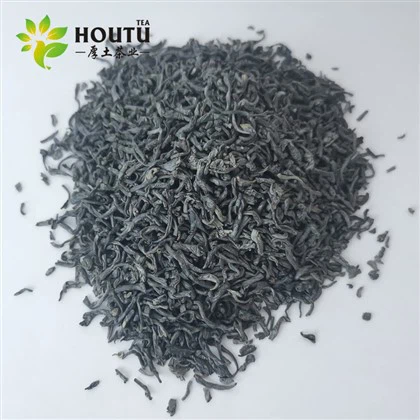
A large national supply network gives overseas buyers access to multiple grades, leaf styles and packaging options. For West African markets, Chinese green tea remains especially important because Chunmee and Gunpowder styles can be selected according to bitterness, liquor colour, leaf appearance, endurance and target retail price.
However, a large export industry does not mean that every supplier offers the same result. Buyers still need to compare samples under local brewing conditions and confirm whether the selected grade can remain stable across repeat containers. The most commercially valuable supplier is not necessarily the one with the lowest first quotation, but the one that can reproduce the approved cup profile and deliver on time.

Spring Orders Require Earlier Coordination
The spring export period can create pressure on production planning, packaging procurement, inspection and vessel booking. Buyers who wait until stock is nearly exhausted may face limited factory schedules or less attractive shipping options.
Importers should confirm forecast volume, packaging artwork, carton specifications and documentation requirements before the final loading date. Early coordination gives the factory more time to reserve suitable raw tea, arrange blending and complete destination-specific testing.
Commercial Watchpoints
What to Monitor Next
Buyers should monitor the 2026 green-tea crop, freight availability, US-dollar exchange movements and customs requirements in destination markets. The most useful signal will be whether suppliers can maintain stable quality while spring and summer order volumes increase.