India's tea export volume declined significantly during the first five months of 2026, according to provisional figures released by Tea Board India.
Between January and May 2026, India exported approximately 85.97 million kilograms of tea.
During the same period in 2025, the country exported around 104.71 million kilograms.
This represented a year-on-year decrease of approximately 17.9%.
Although the total export volume fell, the average export price increased by nearly 4%, reaching approximately Rs.303.97 per kilogram.
The figures demonstrate an important market situation: lower export volume does not always result in lower prices.
Several factors can explain this relationship.
Exporters may have sold a larger proportion of higher-value grades, or buyers may have been willing to pay more for specific origins and quality levels.
Exchange-rate movements and changes in destination markets can also influence the average export value.
India produces many different types of tea.
Assam is known for strong and malty black tea, while Darjeeling is associated with more delicate aromas and premium market positioning.
South India, including Nilgiri, produces teas used in both commercial and speciality blends.
The export decline was not evenly distributed across the country.
North Indian exports decreased, while South Indian exports recorded an even larger percentage reduction.
A greater decline in South Indian shipments may affect buyers that depend on Nilgiri or other southern teas for fragrance, blending or specific flavour characteristics.
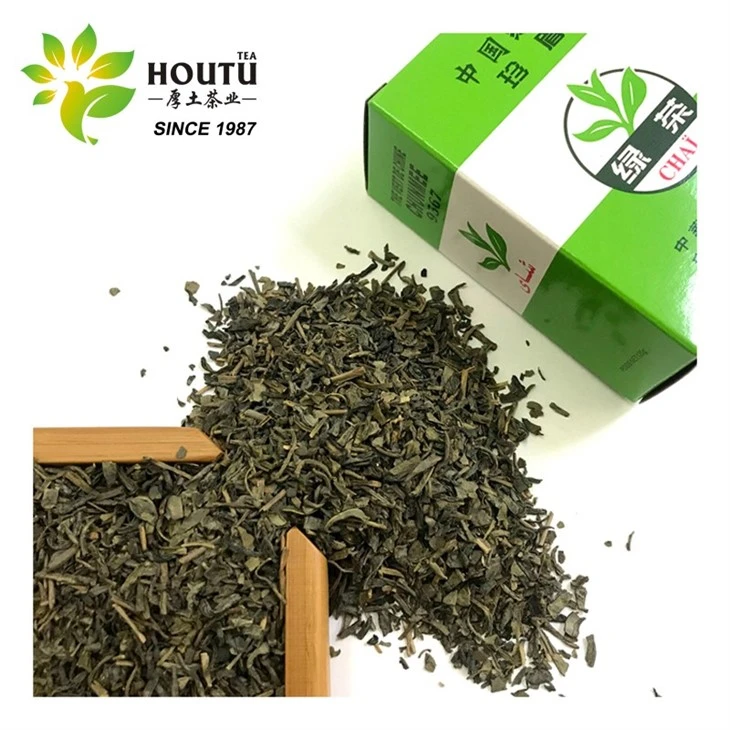
For West African importers, Indian tea is generally more relevant to black tea products than to the traditional Chunmee green tea market.
Indian tea can be used in tea bags, breakfast blends, milk tea, flavoured black tea and instant beverage products.

It can also be blended with Kenyan tea to balance strength, aroma and cost.
The higher average export price suggests that buyers should not automatically expect Indian suppliers to reduce quotations simply because overall exports have declined.
Importers need to compare individual grades rather than relying only on national export statistics.
Two teas produced in India can have very different prices, appearances and brewing characteristics.
Sampling therefore remains essential.
Buyers should evaluate liquor colour, strength, aroma, leaf size, moisture level and aftertaste.
For economical tea-bag production, a strong tea with high brewing efficiency may offer better value than a cheaper but weaker grade.
Indian tea may also be suitable for West African companies seeking to develop a premium black tea product.
Urban consumers, hotels, offices, restaurants and supermarkets may be interested in differentiated tea categories beyond traditional green tea.
However, market education and packaging will be important.
Consumers need a clear reason to try a new tea product.
The package should explain how the tea is prepared, whether it can be consumed with milk or sugar and what type of flavour experience the customer should expect.
Importers may consider beginning with smaller test orders or limited regional distribution.
This can help the company evaluate consumer acceptance before investing in a large full-container shipment.
The decline in Indian exports may also reflect changing global trade conditions.
Buyers in some traditional markets may be reducing orders, while Indian exporters may be searching for new destinations.

This situation could create opportunities for African importers that are willing to develop new distribution channels.
Nevertheless, importers should evaluate the complete landed cost.
Indian ports, shipping routes, container availability and transit times may differ from those of China or East Africa.
A higher tea price can sometimes be compensated by lower freight, while a lower tea price can be eliminated by expensive logistics.
Quality stability should also be considered.
A buyer developing a long-term brand needs a supplier capable of providing a consistent taste and colour across multiple shipments.
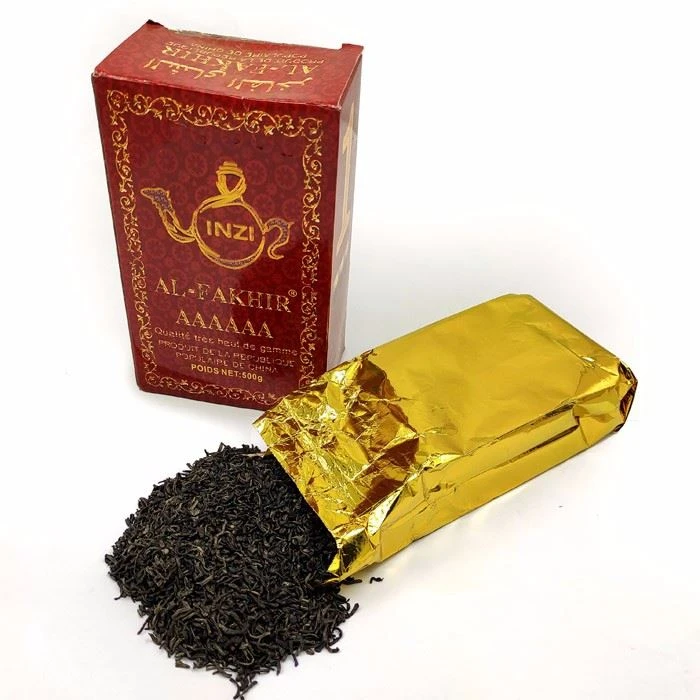
Major differences between batches can damage consumer confidence.
Overall, India's export data shows that the tea market must be analysed through both volume and value.
Falling quantities do not necessarily mean cheaper tea.
For buyers, the most effective approach is to compare products based on total cost, cup performance, target consumer demand and long-term supply reliability.