India produced an estimated 131.60 million kilograms of tea in May 2026, compared with approximately 136.43 million kilograms in May 2025.
This represented a year-on-year decline of around 3.5%.
Although the national decrease was moderate, regional figures showed a more complicated market situation.
North India produced approximately 111.72 million kilograms, slightly higher than the 109.86 million kilograms recorded one year earlier.
South Indian production, however, declined sharply.
Output fell from approximately 26.57 million kilograms in May 2025 to 19.88 million kilograms in May 2026.
The difference between northern and southern production is important because the regions produce teas with different characteristics.
North India includes major tea-producing areas such as Assam and West Bengal.
Assam tea is widely known for its strong colour, full body and malty flavour.
These characteristics make it suitable for breakfast tea, milk tea and strong commercial blends.
South India includes tea-growing areas in Tamil Nadu, Kerala and Karnataka.
Nilgiri tea from southern India is often valued for its fragrance, bright liquor and suitability for blending.
A significant reduction in South Indian production may therefore affect the availability of teas used for aroma and balance in blended products.
CTC tea remained the largest category in India's production figures, accounting for approximately 116.12 million kilograms.
Orthodox tea production reached around 13.35 million kilograms, while green tea production was approximately 2.13 million kilograms.

The dominance of CTC tea reflects strong domestic and international demand for fast-brewing black tea.
For international buyers, monthly production data can provide an early indication of possible supply pressure.
However, one month does not determine the entire market.
Tea production can change quickly because of rainfall, temperature, pest pressure, labour availability and harvesting cycles.
Buyers should therefore compare several months of production before making long-term conclusions.
For West African companies, India's production changes are mainly relevant when sourcing black tea or considering new tea-bag products.
Lower South Indian production may lead to firmer quotations for certain fragrant or speciality grades.
In contrast, stable North Indian production may support the availability of strong Assam-style teas.
Importers should ask suppliers to explain the origin and grade of the tea rather than purchasing a product described only as "Indian black tea."
The performance of the tea in the cup is more important than the country name alone.
Buyers should conduct brewing tests using the same water, tea quantity, temperature and brewing time.
This allows them to compare colour, strength, aroma and aftertaste under controlled conditions.
For tea-bag production, buyers should also evaluate particle size and dust level.
Very fine particles can create strong colour but may increase leakage if the tea-bag paper is not suitable.
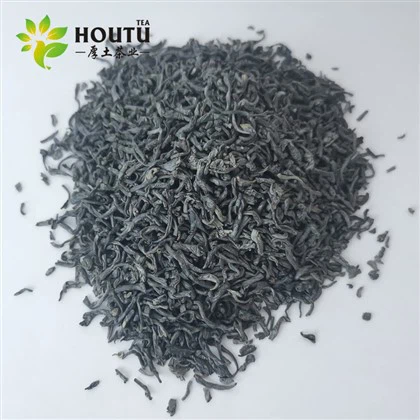
For loose-leaf tea, the appearance of the dry leaves becomes more important because consumers may judge quality visually.
West African importers can use Indian tea as part of a diversified product portfolio.
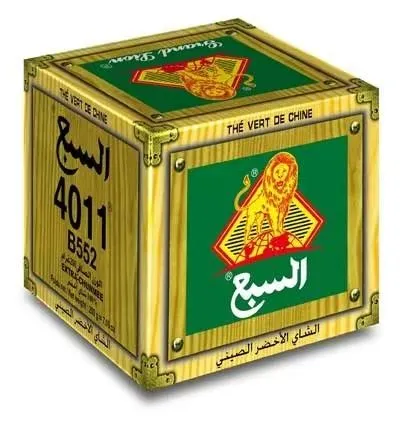
Chinese green tea can remain the core product for traditional consumers, while Indian black tea can be introduced for offices, hotels, supermarkets and younger buyers.
Product education will be necessary because black tea has a different flavour and preparation method from traditional Chunmee tea.

The decline in May production also reminds importers that climate and regional weather conditions can directly affect tea supply.
Companies that depend entirely on one producing region may face sudden price fluctuations or shortages.
Diversifying suppliers and maintaining reasonable inventory can improve business stability.
Buyers should also communicate with suppliers about future crop expectations.
A supplier with direct access to factories and plantations may provide more reliable information than a trader relying only on spot-market purchases.
Overall, India's May production figures show a relatively stable northern market but clear weakness in the south.

Buyers should follow regional production data, communicate closely with suppliers and focus on the specific grades that matter to their own products.