The World Bank expects average global tea prices to decline by approximately 2% in 2026, following an estimated decrease of around 4% in 2025.
The forecast suggests that the international tea market may remain relatively well supplied.

Higher production in some Asian tea-producing regions has helped balance weather-related concerns and uneven output in parts of East Africa.
At the same time, demand from several important importing regions, including the Middle East and North Africa, has remained under pressure.
When supply is sufficient and demand growth is relatively slow, international tea prices generally face downward pressure.
For tea importers, the expected decline may create better opportunities to negotiate purchasing prices.
Suppliers holding large inventories may become more flexible, particularly when discussing full-container orders, repeat purchases or long-term contracts.
West African buyers may benefit from this environment because the region imports substantial quantities of green tea and other tea products.
However, importers should not assume that a 2% decline in the international tea price will automatically produce a 2% reduction in the final retail cost.
The tea itself represents only one part of the total cost.
Ocean freight, insurance, packaging materials, port fees, customs duties, inland transportation and local distribution expenses can have a major influence on the final landed price.
Currency movements are another important factor.
Tea is commonly traded in US dollars, while importers may sell products in West African currencies.
Even when the international tea price decreases, a weaker local currency can make imported tea more expensive.
Importers should therefore evaluate the market using a complete cost model.
Comparing only the supplier's price per kilogram may lead to incorrect purchasing decisions.
The World Bank forecast also does not mean that all tea categories will move in exactly the same direction.
Commercial black tea, premium orthodox tea, Chinese green tea, organic tea, instant tea and speciality products may experience different price trends.

Quality differences between producing regions and factories can remain significant even during a generally softer market.
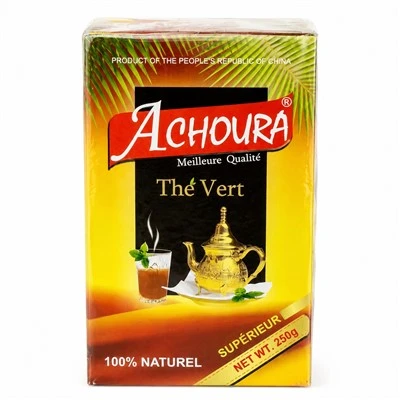
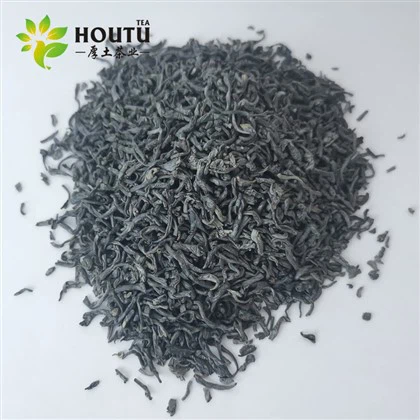
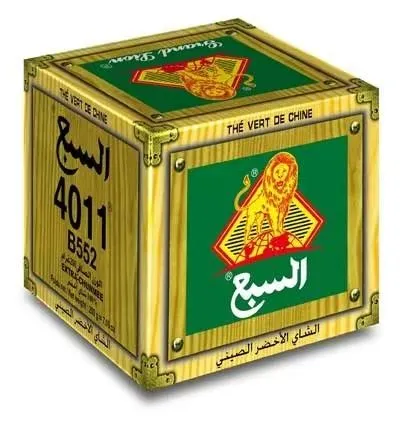
For West African green tea buyers, the outlook may be useful when negotiating Chunmee tea contracts.
Buyers can compare several grades and suppliers rather than immediately accepting the first quotation.
They may also use market information to negotiate better terms with their existing suppliers.
Nevertheless, waiting too long in the hope of a major price decline can create other risks.
If freight rates rise, production is affected by weather or demand suddenly recovers, the expected purchasing savings may disappear.
A practical purchasing strategy is to divide annual requirements into several shipments.
Instead of purchasing the entire year's volume at one price, importers can place orders at different times.
This approach can reduce the risk of purchasing all requirements at the highest point of the market.
It also allows buyers to adjust product grades, package sizes and shipment quantities according to changes in consumer demand.
Importers can use the softer price outlook to negotiate more than the basic tea price.
They may request improved payment terms, stronger packaging, better quality control, free samples, more flexible loading quantities or support for private-label development.
For brand owners, a lower raw tea cost can create room for investment in packaging and marketing.
Instead of immediately reducing the retail price, a company may improve carton design, strengthen moisture protection or launch smaller packages for price-sensitive consumers.

Companies may also invest in trademark registration, distributor support and promotional materials.
These investments can create greater long-term value than a small temporary retail price reduction.
Buyers should continue collecting real-time quotations from suppliers because international forecasts describe the general market but do not determine the exact price of a specific grade.
The final quotation will still depend on quality, origin, production season, packaging, shipment size and payment conditions.
The World Bank expects demand conditions to begin normalising in the future, although the exact direction will depend on weather, economic growth and shipping conditions.
The current outlook is therefore best viewed as a purchasing opportunity rather than a guarantee that prices will continue falling indefinitely.

Successful importers will combine global market forecasts with actual supplier quotations, freight information, exchange-rate analysis and local sales data.
Companies that make decisions using all these factors will be better positioned to control costs and maintain stable supply.