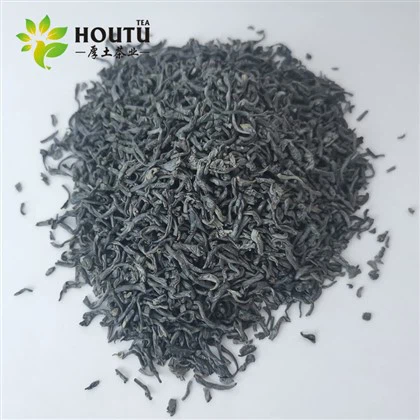
Whole leaves, broken leaves and fine particles serve different markets. The key is consistency with the product promise.

Broken leaves can appear for several reasons
Tea leaves can break during rolling, drying, sorting, packing and transport. Some products are intentionally sorted into smaller particles because they brew quickly. Others are designed around larger, more complete leaves for visual appeal.
A small amount of fine material is common in many commercial teas. The important questions are whether the level matches the agreed product and whether the cup remains clean and balanced.
Smaller particles brew faster
| Leaf form | Brewing behaviour | Common use |
|---|---|---|
| Whole or larger leaf | Usually opens and extracts more gradually. | Loose leaf and visible premium packs. |
| Broken leaf | Releases colour and strength faster. | Everyday loose tea and stronger cups. |
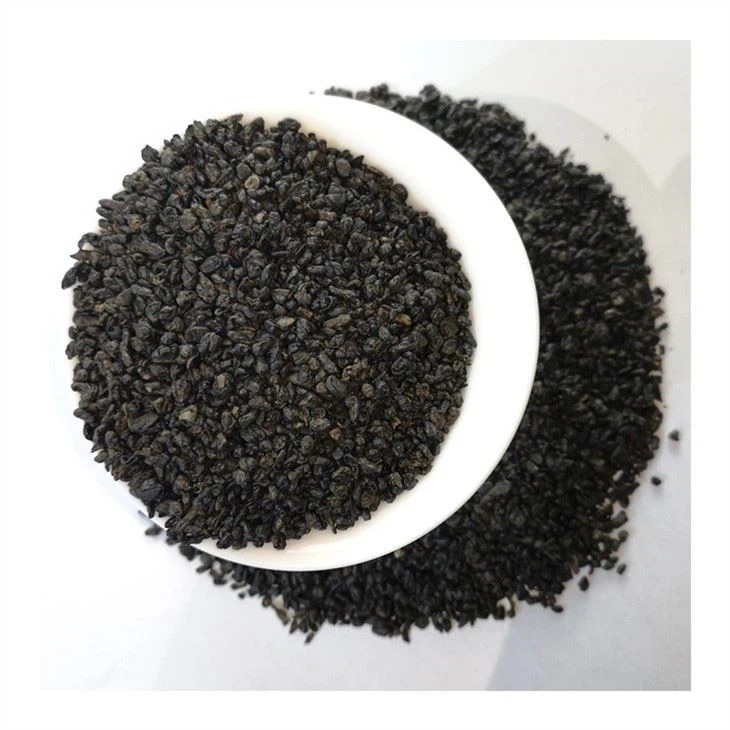
| Fine particles | Very rapid extraction and more sediment. | Tea bags or quick-brewing formats. |
| Mixed particle sizes | Can create uneven extraction. | Should be tested for consistency. |
Does breakage mean low quality?
Not always. A broken-leaf tea can be fresh, clean and flavourful. The concern begins when unexpected dust, excessive powder or heavy breakage changes the appearance, sediment or bitterness compared with the approved sample.