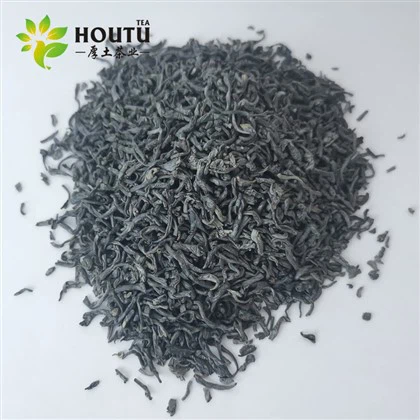
The right stem level depends on whether the buyer prioritises visual refinement, cup character or a competitive everyday product.

A tea stem is part of the natural shoot
Tea is harvested from growing shoots that include leaves, buds and connecting stems. Sorting removes or retains different amounts depending on the product style. A few stems are therefore not automatically a defect.
Studies of tea materials have found that stems can contain relatively high levels of amino acids and soluble sugars. In some styles, stems can contribute sweetness, umami or roasted notes. However, the effect depends on the tea, processing and amount present.
Why stem content matters commercially
| Low stem content | Moderate stem content | High visible stem content |
|---|---|---|
| Cleaner, more uniform appearance. | Can be normal for some everyday styles. | May look less refined in a premium leaf product. |
| Often preferred in small transparent packs. | May contribute a softer taste. | Can change cup strength and buyer perception. |
| Usually commands a stronger visual premium. | Must match the approved sample. | Should be discussed before ordering. |
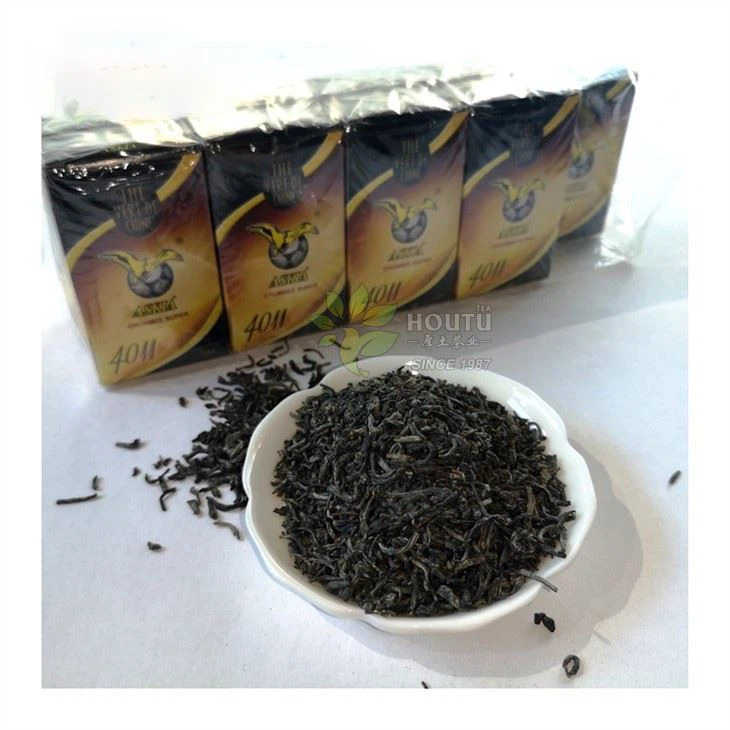
Stems do not tell the whole quality story
A tea with very few stems can still taste weak or stale. A tea with visible stems can still produce a clean, pleasant cup. Buyers should inspect appearance and also brew the sample under controlled conditions.