Understanding these two sensations helps buyers describe the cup more clearly and choose a tea that matches local preference.

Bitterness is a taste; astringency is a mouthfeel
Bitterness is detected as a taste, often on the tongue. Astringency is the dry, rough or puckering feeling that develops when tea compounds interact with saliva. A cup can be bitter without feeling very dry, or strongly astringent without an intense bitter taste.
Research on green tea links caffeine and several polyphenols with bitterness, while catechins and other polyphenols are important contributors to astringency. Amino acids and sugars can soften the overall impression by adding umami or sweetness.
| Sensation | How it feels | Common description |
|---|---|---|
| Bitterness | A distinct taste on the tongue. | Sharp, bitter or medicinal. |
| Astringency | Drying and tightening in the mouth. | Puckering, rough or mouth-drying. |
| Briskness | A lively, refreshing impact. | Clean, active or bright. |
| Sweet aftertaste | A gentle sweetness after swallowing. | Refreshing or returning sweetness. |
Why brewing changes both sensations
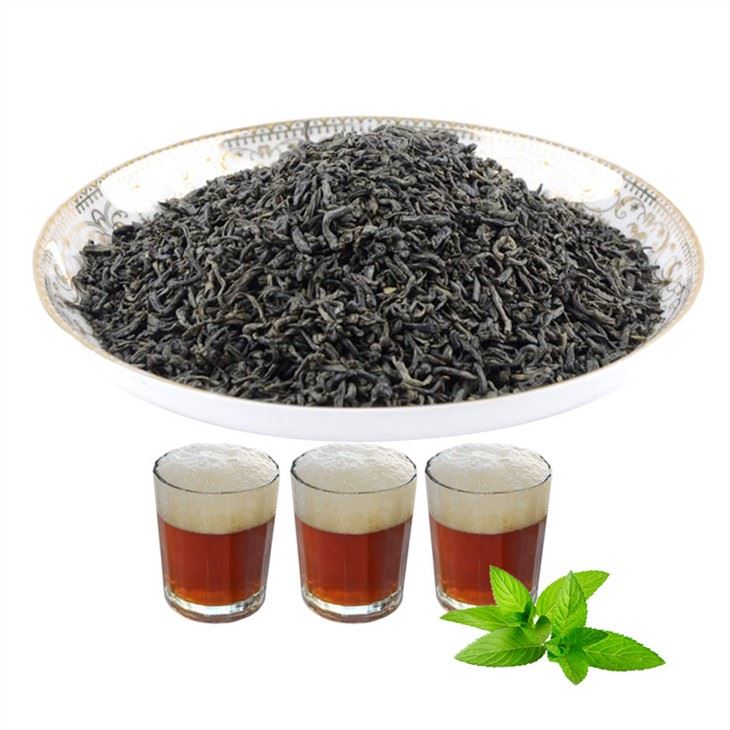
Hotter water, longer time and smaller particles generally increase extraction. This can make the tea feel stronger, but it can also increase bitterness and dryness. A product should therefore be tested with the preparation used by the final consumer.
How to soften a harsh cup