"The nobility among white tea" is an interesting concept. It does not refer to a single type of tea, but to premium varieties that stand at the top of the quality pyramid. They earn this elite status either for their delicate nature with stringent picking standards, rich mellow flavors developed over years of aging, or pure origins from designated growing regions. Together, they represent the highest standard of value in the realm of white tea.
First, let's look at the core grading system of white tea, a reliable frame of reference:
• Silver Needle White Tea: The crown jewel of white tea nobility. Made solely from plump single buds, it is hailed as "the beauty of all teas" and "king of tea".
• White Peony: The shining pearl of white tea nobility. Crafted from one bud with one or two attached leaves, it acts as a middle tier between pure buds and leaf-heavy teas, widely recognized as a superior grade of white tea.
• Tribute Eyebrow & Longevity Eyebrow: The solid foundation of white tea nobility, made from one bud paired with two, three or four leaves. Tribute Eyebrow ranks slightly higher than Longevity Eyebrow.
Nevertheless, a white tea can only truly deserve the title of "nobility" when it meets stricter criteria beyond basic grading.
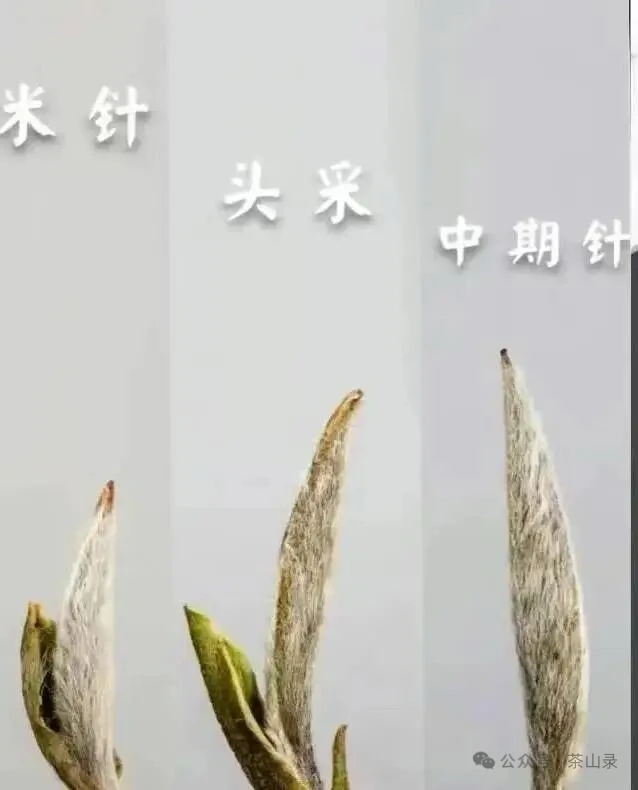
The top-tier categories are sorted as follows:
• Wild-grown White Tea: Grown deep in mountain wilderness without artificial cultivation interference, carrying a distinctive wild, rustic flavor profile. Subcategories include wild Silver Needle and wild King Peony, generally regarded as the most premium white teas available.
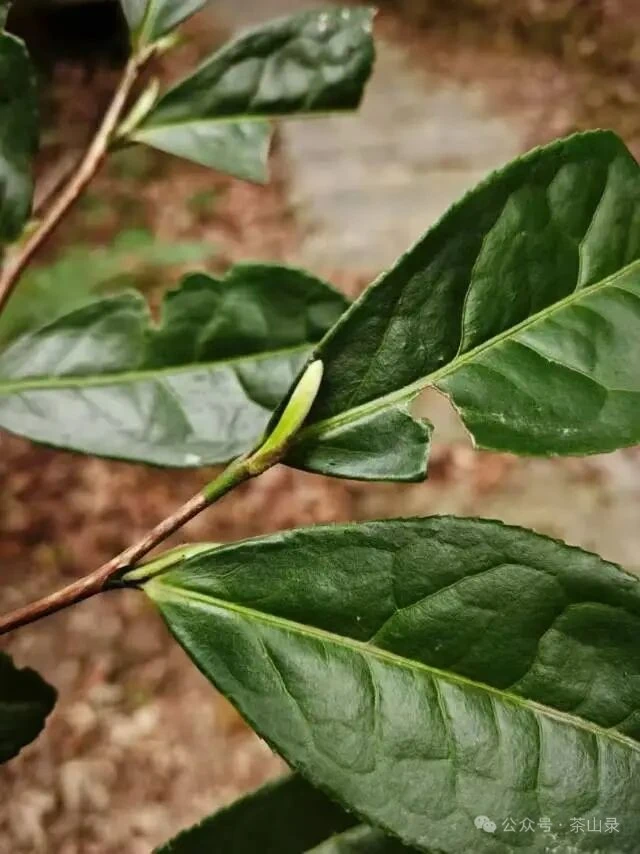
• First-pick Mini Silver Needle: The earliest tender buds harvested each spring, shorter and fleshier than regular Silver Needle, extremely rare and precious.
• Organic White Tea: Cultivated in pollution-free ecological tea plantations in full compliance with natural growth cycles, with no chemical fertilizers or pesticides applied. Such teas often command prices ranging from thousands to tens of thousands on the market.
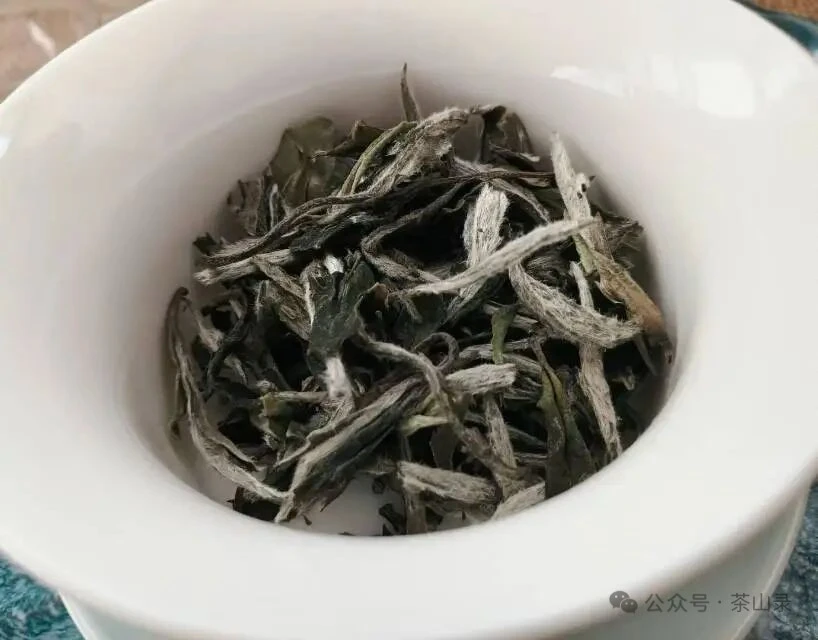
• Aged White Tea: Treasured over time. As years pass, its aroma evolves into sweet jujube and herbal notes, and its cooling nature gradually turns mild. Its drinking and collection value rise alongside its age. Veteran tea lovers often quote the old saying: "Fresh tea in the first year, medicinal tea after three years, a priceless treasure after seven years."
Apart from origin and varietal traits, other qualities that cement white tea's noble reputation include its profound cultural heritage and royal connections:

In ancient times, white tea was presented as imperial tribute tea to the royal court. During the Qing Dynasty, it was exported overseas at prices comparable to gold. In modern times, it has frequently appeared at high-profile events including banquets hosted by the British royal family, cementing its status as a luxury beverage admired both domestically and internationally through the ages.