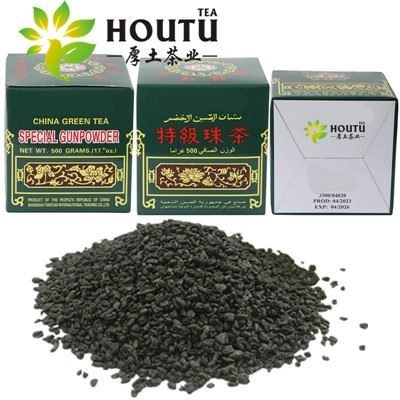
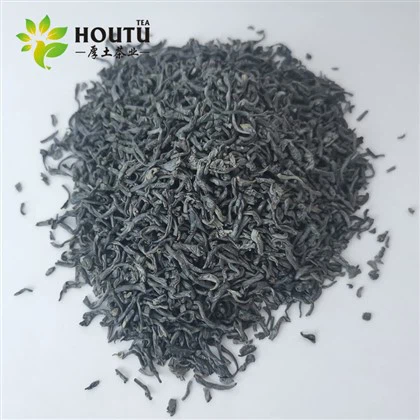
Smelling the dry leaf, the hot cup and the wet leaves gives a fuller picture than judging the unopened sample alone.

Tea aroma changes when water and heat are added
Dry green tea releases some volatile aroma compounds into the air, but brewing changes the environment completely. Heat helps release aroma, water dissolves flavour compounds and the leaves begin to open. The aroma above the cup can therefore feel fresher, greener, sweeter or more roasted than the smell of the dry leaf.
Some delicate volatile compounds escape quickly, while others become easier to notice after the leaves are wet. This is why professional tasting often includes smelling the dry leaf, the hot liquor and the wet leaves.
Three useful aroma moments
| Moment | What it can reveal |
|---|---|
| Dry leaf | Storage condition, freshness and the general tea style. |
| Hot liquor | The most immediate volatile aroma released during brewing. |
| Wet leaf | Green, floral, roasted or other notes remaining in the opened leaf. |

Brewing amount and time change aroma
Research shows that tea quantity and brewing method affect the volatile profile of green tea. Too little leaf may create a weak aroma, while very hot or long brewing may increase strength but reduce delicate freshness.