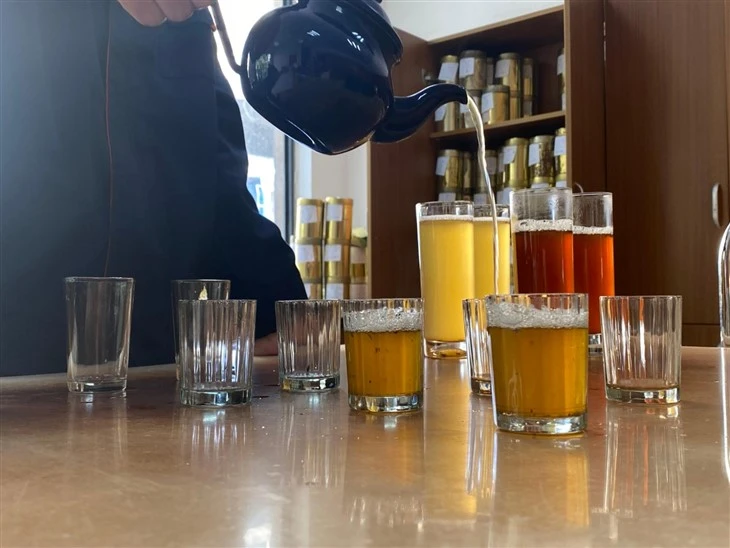
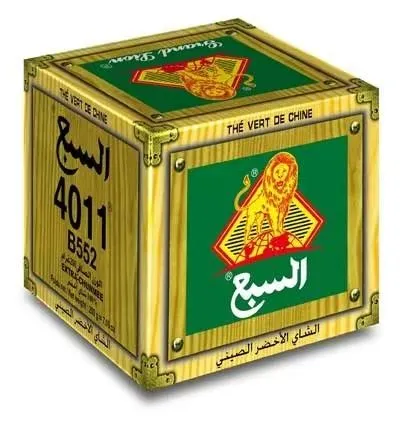
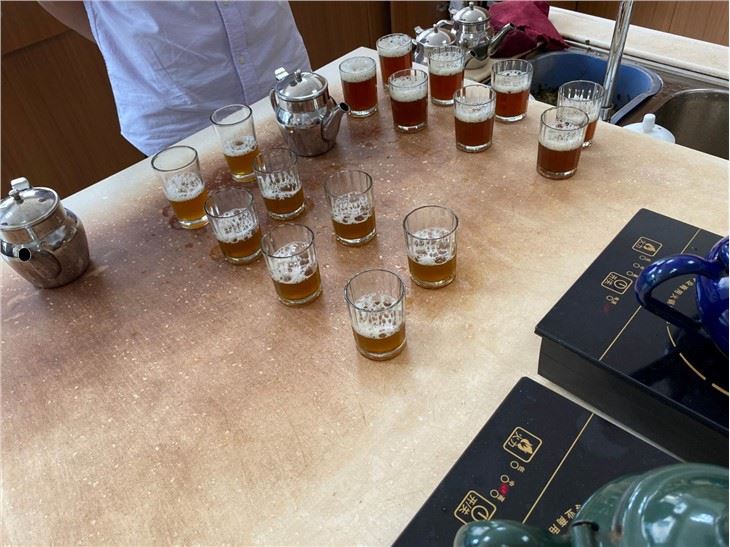
A fair comparison controls the water, temperature, leaf quantity and time before judging whether one sample is truly different from another.
Green tea is not always bright green
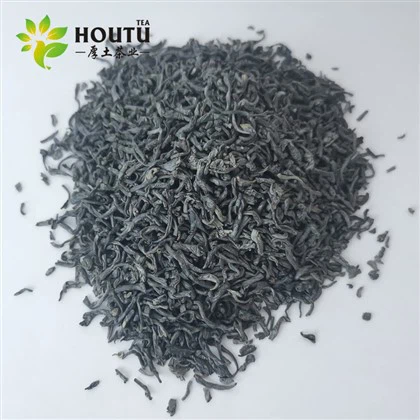
Despite the name, brewed green tea can appear pale yellow, yellow-green, golden or deeper amber. The expected colour depends on the tea variety, processing style, leaf size and brewing method. A strong Chunmee or Gunpowder infusion may look very different from a delicate early-harvest green tea.
This is why colour should be judged against the product style and the customer's expectations-not against one universal shade.
Water can change colour and clarity
Studies on brewing water show that hardness, minerals and alkalinity influence green-tea extraction. Hard or alkaline water can produce a darker, cloudier or more brownish result than lower-mineral water. The same tea may therefore look different in the supplier's tasting room and in the destination market.
| Factor | Possible visual effect | Simple test |
|---|---|---|
| More leaf | Deeper colour and stronger extraction. | Keep water volume constant. |
| Longer brewing | Darker liquor and potentially more bitterness. | Compare at fixed times. |
| Hard or alkaline water | More turbidity or faster browning. | Test with another water source. |
| Cooling and standing | Colour may deepen gradually. | Observe immediately and after ten minutes. |
| Light and oxygen | Stored tea drinks can become less green and more brown. | Protect prepared drinks from long exposure. |

Why colour can become browner over time
Tea polyphenols can oxidise after brewing, especially when the drink remains exposed to air, light or warm conditions. Research on ready-to-drink green tea has linked polyphenol oxidation and pigment changes with a shift toward redder or browner colour.
How buyers should compare samples