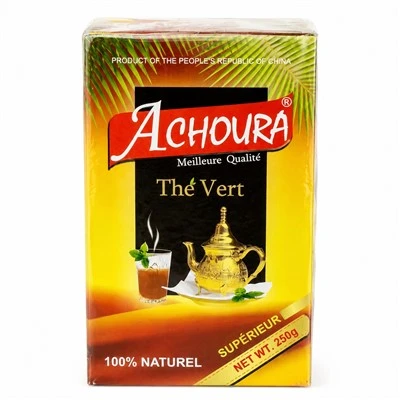
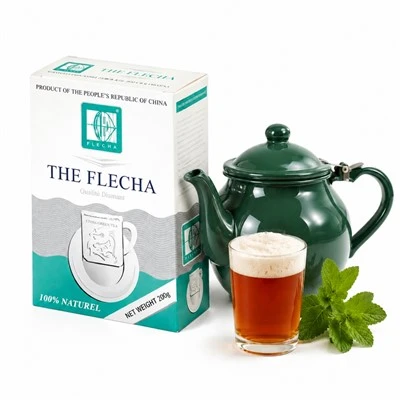
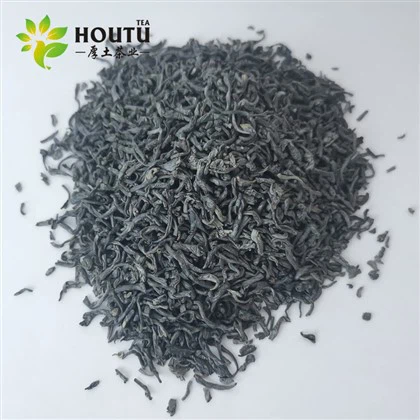
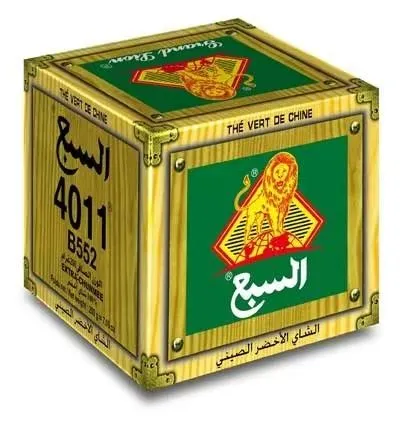
The appeal of jasmine tea comes from balance: a recognisable flower aroma, a clean green-tea base and a pleasant finish.

Jasmine tea is a scented tea, not simply an herbal flower drink
Traditional jasmine tea begins with a finished tea base, commonly green tea, and fresh jasmine flowers. During scenting, the tea absorbs volatile aroma compounds released by the flowers. The flowers are later separated, although some products keep a small number of petals for appearance.
The tea base still matters. Its freshness, strength and taste must support the floral aroma rather than disappear beneath it.
How the scenting process works in simple terms
| Stage | What happens |
|---|---|
| Tea-base preparation | A suitable green tea is selected and prepared for scenting. |
| Flower preparation | Jasmine flowers are gathered and allowed to release their fragrance. |
| Tea and flower contact | The materials are mixed so the tea can absorb aroma. |
| Separation and drying | Flowers are removed and the tea is stabilised. |
| Optional repeated scenting | Additional rounds can build a fuller and more persistent aroma. |
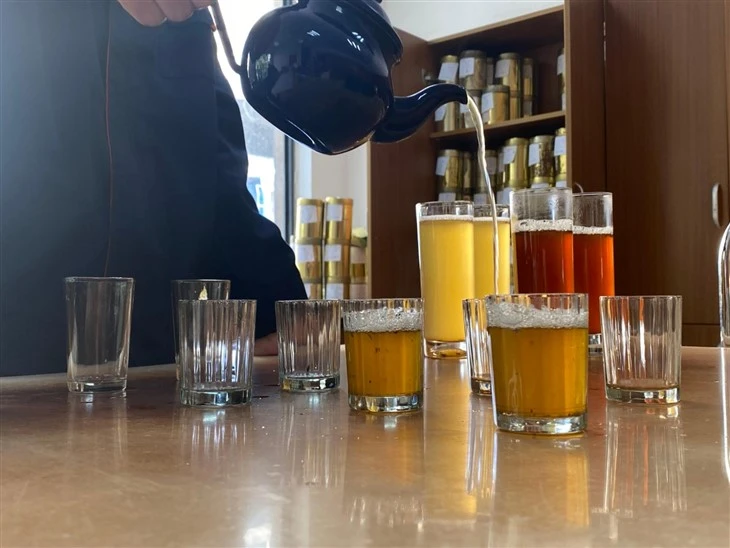
What should jasmine green tea taste like?
The aroma may be floral, fresh, sweet and elegant. In the cup, the jasmine fragrance should feel connected to the tea rather than sharp or artificial. The green-tea base can add freshness, light briskness and a clean finish.
How to brew jasmine green tea
Why jasmine tea attracts different consumers
The floral aroma can make green tea more approachable for people who find plain green tea too vegetal. Jasmine tea can work in loose-leaf packs, tea bags, small retail boxes and hospitality service.