Scented Tea vs Flavoured Tea: What Is the Difference

Jul 14, 2026

Leave a message

Sophia Xu
Sophia Xu
Sophia is an experienced tea taster at Shengzhou Houtu Tea Co., Ltd. She has a sharp palate and can accurately evaluate the taste and quality of various green teas, providing valuable opinions for the company's production.
TEA KNOWLEDGE · ARTICLE 27
Scented and flavoured teas can smell similar-but they are created differently

Understanding the method helps buyers describe the product clearly and choose the experience their customers prefer.

Jasmine scented green tea with tea leaves and flowers
Traditional scented tea develops aroma through contact with fragrant flowers or botanicals.

The two terms describe different ways of adding aroma

Scented tea usually gains aroma through contact with fragrant flowers or botanicals. Jasmine tea is the best-known example: the tea absorbs aroma from jasmine flowers during a controlled scenting process.

Flavoured tea normally uses added flavouring materials such as natural extracts, essential oils, flavour compounds or pieces of fruit and herbs. Both styles can create attractive products, but they offer different sensory experiences and should be described clearly.

Style How aroma is added Common examples
Scented tea Aroma transfers from flowers or botanicals to the tea. Jasmine-scented green tea.
Flavoured tea Extracts, oils or flavourings are applied or blended. Lemon, fruit or bergamot-flavoured tea.
Blended tea Tea is mixed with visible herbs, spices or petals. Mint tea blends or spiced tea.
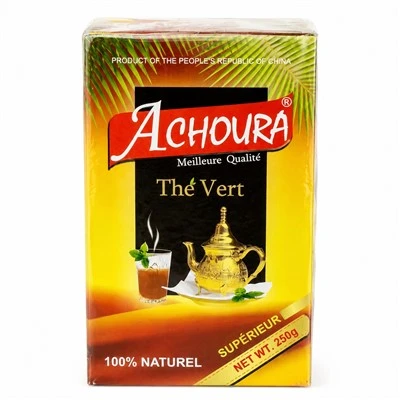
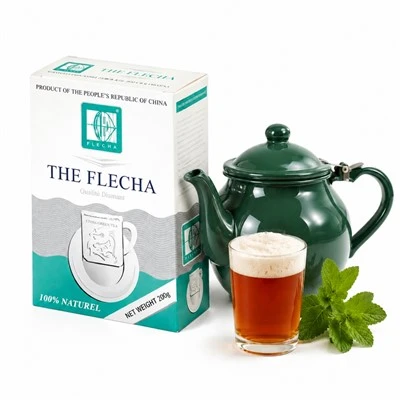
Different retail tea formats including boxes, bags, tins and bulk packs
Product description and packaging should make the tea style clear to the customer.

What consumers may notice

A traditionally scented tea often has a fragrance that feels integrated with the leaf and changes gradually during brewing. A flavoured tea can provide a more direct and consistent aroma, especially in tea bags or ready-to-drink products. The final quality depends on the tea base, the aroma material and the balance of the formulation.

Clear communication builds trust
The ingredient list and product name should match the actual product. Labelling requirements differ by market, so importers should confirm local rules.

How to choose between the two

Choose scented tea for a traditional floral story and layered aroma.
Choose flavoured tea when a clear, recognisable flavour is the main goal.
Use visible botanicals when appearance is important, but protect the blend from moisture.
Test the drink both hot and cooled because aroma perception can change.
Select packaging that protects volatile fragrance from air and heat.
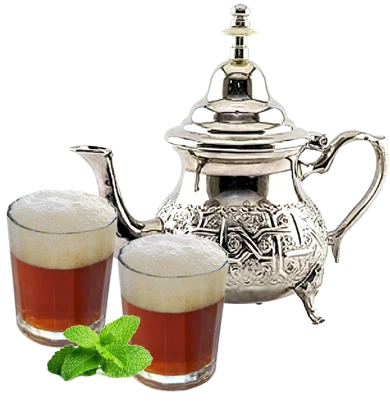
Traditional green tea served with mint
Mint can be used as a fresh serving ingredient or as part of a prepared tea blend.

Why the tea base still matters

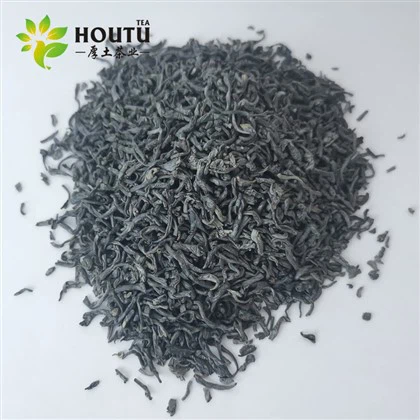
A strong added aroma cannot permanently hide a weak, stale or unbalanced tea base. The leaf should provide the body, colour and finish expected by the customer.

Developing a scented, flavoured or blended tea?
Share the desired aroma, target consumer, pack format and destination market. We can discuss suitable green-tea bases and product options.
Reference basis: FAO jasmine-tea resources, peer-reviewed aroma research and public food-labelling principles.
Send Inquiry
Contact us if have any question

You can either contact us via phone, email or online form below. Our specialist will contact you back shortly.

Contact now!