As green tea leaves open, later infusions can become smoother and reveal a different balance of aroma, strength and aftertaste.
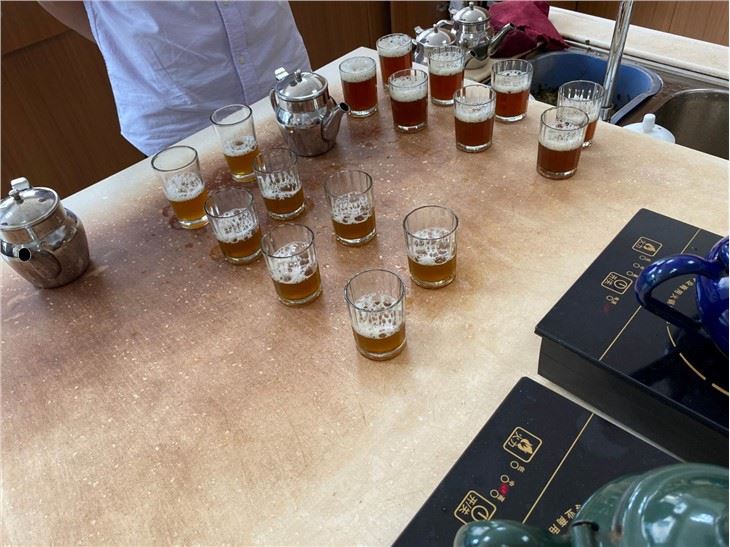
Many whole-leaf green teas can make more than one cup
The first infusion does not always remove every soluble flavour compound from the leaf. Research on repeated tea brewing shows that green tea can continue to release colour, aroma and taste in later infusions, although the result becomes lighter over time.
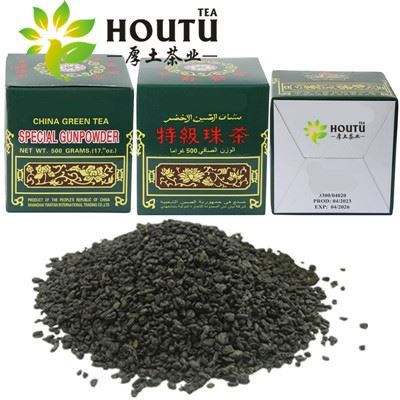
The number of satisfying infusions depends on the tea style, leaf size, quantity used, water temperature and the length of the first steep. A tightly rolled Gunpowder often opens gradually, while smaller broken particles release flavour more quickly.
What usually changes after the first infusion
| Infusion | Common impression | Useful adjustment |
|---|---|---|
| First cup | The strongest early aroma and clear identity of the tea. | Begin with a controlled, not overly long steep. |
| Second cup | Often smoother, with the leaves more fully open. | Use slightly more time if needed. |
| Third cup | Lighter body and softer aroma. | Increase time or temperature modestly. |
| Later cups | Depends strongly on leaf quality and preparation. | Stop when the cup no longer tastes enjoyable. |
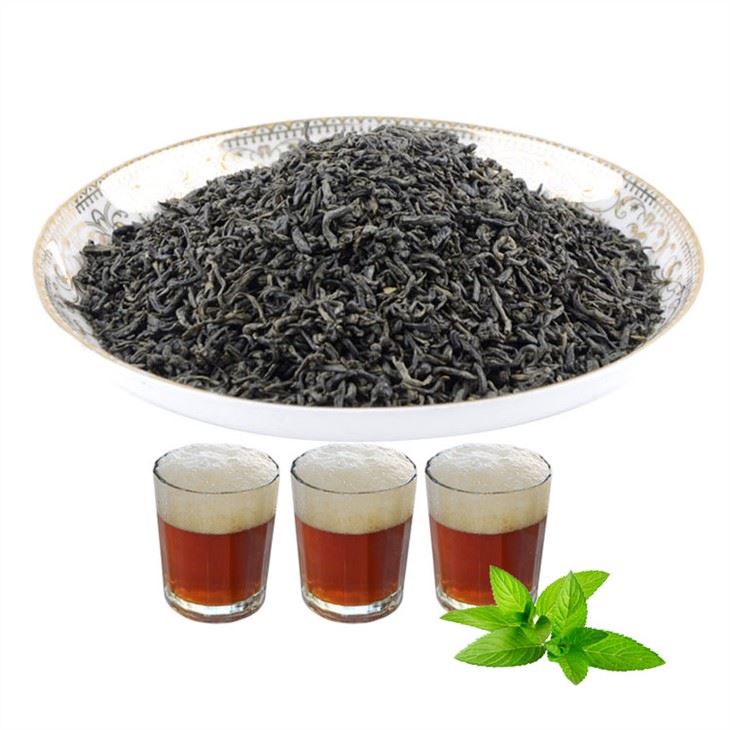
How to get a better second cup
Whole leaves and smaller particles behave differently
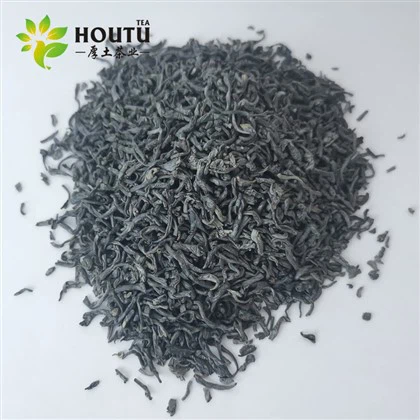
Whole or tightly shaped leaves often release flavour more gradually. Smaller particles provide more exposed surface area, so they can create a strong first cup but may lose intensity sooner. Neither format is automatically better; they suit different preparation styles.

Why re-infusion matters for buyers
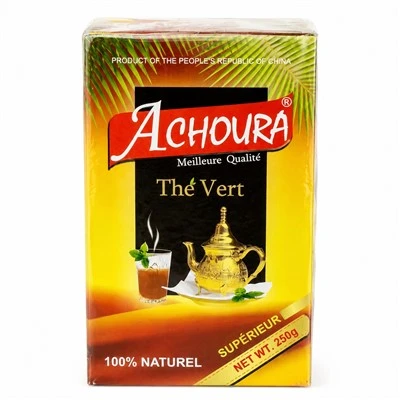
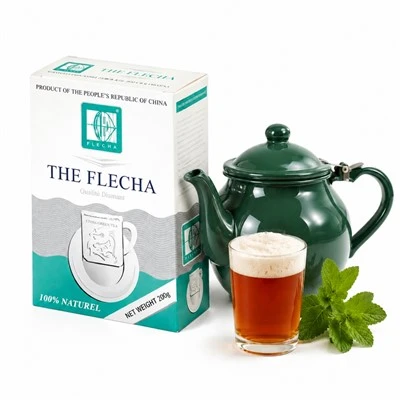
In markets where families or guests share tea over a longer session, endurance can influence value perception. Importers should test the product using the destination market's normal teapot, sugar, mint and serving method.