In tea culture and tasting practice, the term "the Three Natures of Tea" has three interpretations from distinct dimensions.
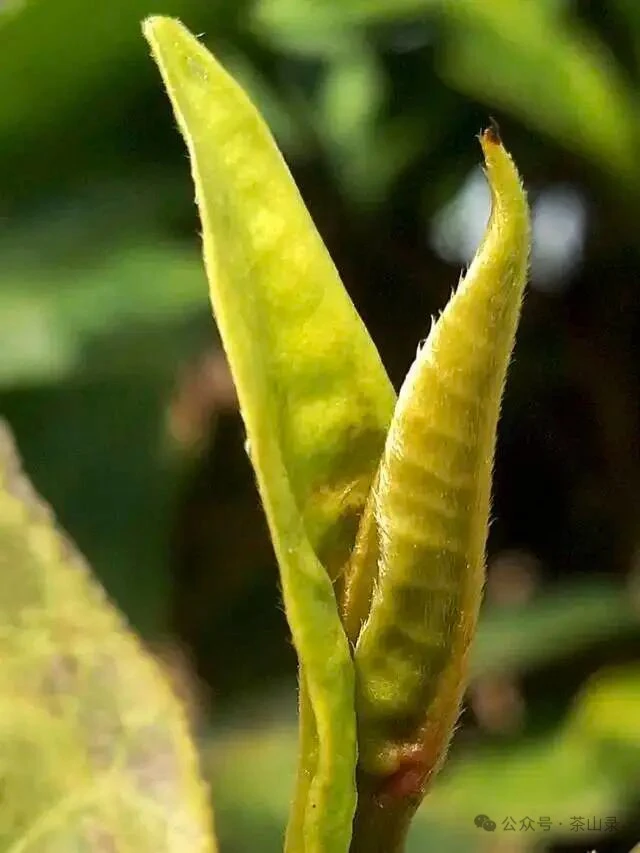
First, here is the classification of six teas by fermentation level for reference:
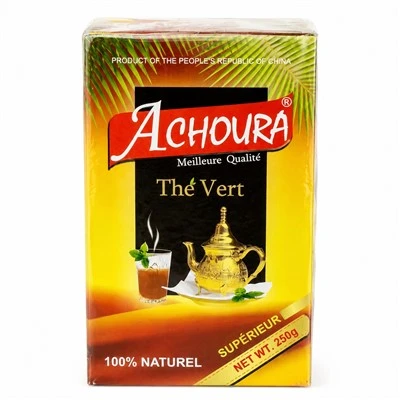
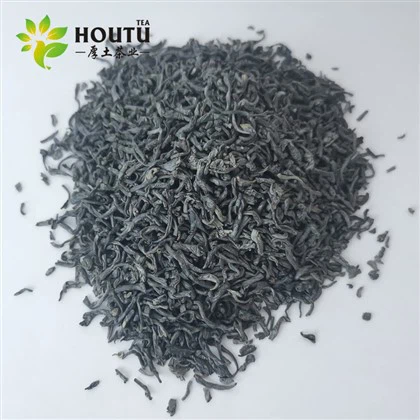
Green tea: Non-fermented tea
White tea & yellow tea: Lightly fermented tea Cyan tea
(Oolong tea): Semi-fermented tea
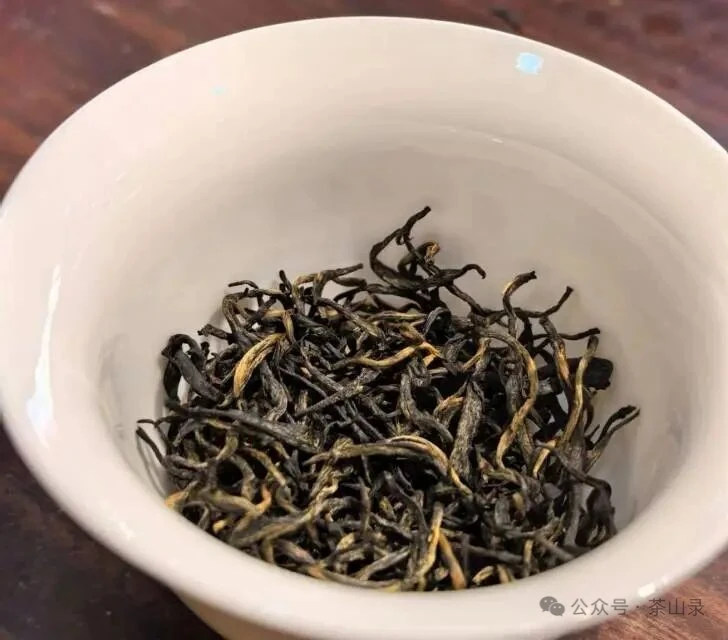
Black tea: Fully fermented tea
Dark tea: Post-fermented tea
1. Sensory & Medicinal Three Natures: Bitterness, Astringency & Sweetness This is the most widely recognized definition, referring to the core taste layers when sipping tea. • Bitterness: Derived from caffeine in tea leaves
• Astringency: Brought by tea polyphenols
• Lingering sweet aftertaste: The sweet sensation emerging on the throat after swallowing tea liquid The shifting among these three flavors constitutes the core tasting experience of fine tea.
2. Thermal Properties of Tea: Cool, Neutral & Warm Tea is categorized by its thermal nature, determined by fermentation degree. People can pick suitable teas according to their physical conditions: cool-natured teas fit people with internal heat, while warm-natured teas are ideal for those with cold constitutions.
• Cool nature: Green tea, white tea, raw Pu'er tea, light-scented oolong tea
• Neutral nature: Yellow tea, heavily fermented oolong tea, aged tea
• Warm nature: Black tea, ripe Pu'er tea, dark tea

3. Philosophical & Spiritual Three Natures in Tea Ceremony Extended from the spirit of tea art, it stands for Heaven, Earth and Humanity, or Clarity, Tranquility and Harmony. Tea absorbs essence from heaven, nutrients from earth, and is refined into perfect brews through human craftsmanship and serene state of mind, embodying the harmony of nature and mankind.