NO.1 New Trends in International Tea Consumption
Enhance the pursuit of "authentic local customs," "health," "cultural experiences," and "unique values
Searching for authentic local customs. Taking Chalu brand as an example, the core concept is "let tea speak for itself", rooted in Yunnan's geography, history, and tea horse ancient road culture, reflecting the global market's shift towards authenticity and origin tracing.
Health needs are dominant. Functional tea drinks are becoming a core growth point in the market, attracting attention for their functions such as enhancing immunity, relieving stress, and improving digestion.
Driven by cultural experience. After the Jingmai Mountain Ancient Tea Forest became a UNESCO World Heritage Site, international buyers' attention has significantly increased.
Pursuing unique value. Foreign tea merchants are looking for selling points that have stories, certifications, and can be used for retail marketing, not just reasonably priced tea.
Buyers place greater emphasis on platform endorsements with "decision-making value" and are no longer limited to simple supply-demand matching
Facing decision-makers directly and improving negotiation efficiency. Connect with the business leaders who have the final decision-making power, rather than frontline sales, to shorten the negotiation chain.
Strictly select sources of goods to reduce screening costs. Relying on stable channels, efficiently matching reliable suppliers with complete qualifications, quality assurance, and innovative development capabilities.
Dismantle trade frictions and obtain substantive solutions. Understand the latest requirements such as regulatory policies, logistics clearance, and international certification, rather than general industry trends.
NO.2 Chinese tea in the eyes of the international tea industry
In the eyes of international professional buyers, China is considered one of the most complex tea suppliers. As the birthplace of tea, it has extraordinary quality, unparalleled diversity, and traditional craftsmanship. However, due to factors such as opaque trade structure, unpredictable supply, and inconsistent standards, it affects the release of international consumption potential.
In 2025, China's tea exports will show the characteristics of "increasing quantity and stable price", but still face multiple bottlenecks:
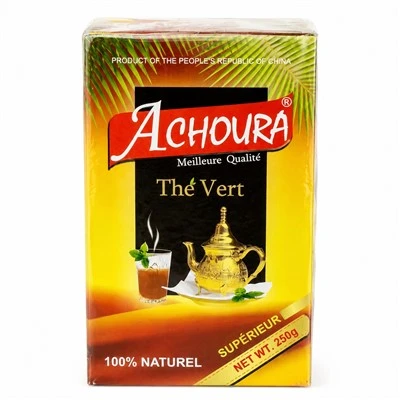
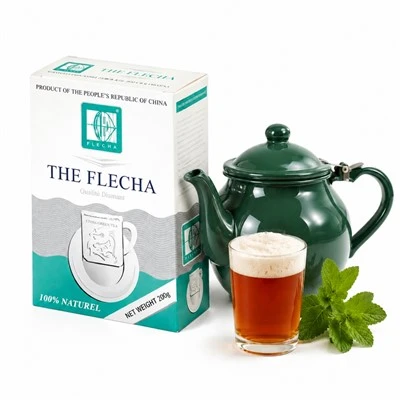
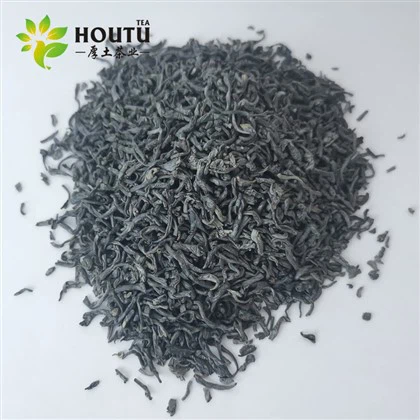
1. Insufficient brand output. In 2025, China's tea exports will be 419000 tons, but green tea, which accounts for 88% of the total exports, will have an average price of only 3.4 US dollars per kilogram.
2. The export structure needs to be optimized. The global export volume of black tea accounts for 80% of the total international tea export volume, while China's black tea export volume only accounts for 1.6% of the global black tea export volume and 6.6% of the domestic export volume.
3. Lack of stable quality. The standardization level of domestic tea is low and the quality fluctuates greatly. In contrast, Indian Darjeeling black tea controls the quality error within 3% through 26 indicators.

NO.3 Opportunities for Chinese tea to go global
China's tea production accounts for over 50% of the world's total, and its industrial chain extends from planting to deep processing. With a strong industrial foundation and scale advantages, it provides a solid guarantee for China's tea to go global.
Only by transforming 'authenticity' into a verifiable traceability system, elevating 'terroir' into a perceptible cultural narrative, and condensing 'unique value' into a communicable brand asset, can we take the initiative in the value chain reconstruction of global tea trade.
Picture
Standardize product quality to meet international market entry barriers
Following the adjustment of pesticide residue limit standards in markets such as the European Union, the United States, and Japan, we will transform compliance capabilities into market competitiveness, attach importance to traceability protection, and achieve a transformation from "selling raw materials" to "selling products" and "selling quality".
Adhere to brand orientation and solve the dilemma of "having categories but no brand"
Differentiated positioning for different target markets, strengthening cultural narrative and promotion, and promoting the transformation of tea consumption from "agricultural product export" to "cultural value output" and "brand identity".
Deeply cultivate channel innovation and expand new links for "going global"
Actively participate in international food and beverage professional exhibitions, and build a high consumption potential market docking platform; Accelerate the layout of overseas warehouses and utilize cross-border e-commerce and DTC models to achieve localized operations.
Grasp the development trend of the industry and enter the international high-end segmented market
Expand the tracks of matcha, new tea drinks, ready to drink tea (RTD), etc., and focus on the development and cross-border integration of high value-added products to meet the consumer demand for "functionality+appearance+convenience+health".
Emphasize AI intelligent manufacturing and enhance the supply foundation
Drawing on the "Tea Garden Full Industry Chain Custody Model", covering the entire chain of ecological construction, social services, and AI intelligence, providing stable and high-quality supply chain guarantees.