Tea Chests: How Wood, Metal and Paper Protected a Global Cargo

Jul 28, 2026

Leave a message

Sophia Xu
Sophia Xu
Sophia is an experienced tea taster at Shengzhou Houtu Tea Co., Ltd. She has a sharp palate and can accurately evaluate the taste and quality of various green teas, providing valuable opinions for the company's production.
TEA STORIES THROUGH TIME · ARTICLE 131
Tea Chests: How Wood, Metal and Paper Protected a Global Cargo

How a shipping box became part of tea quality, branding and global logistics.

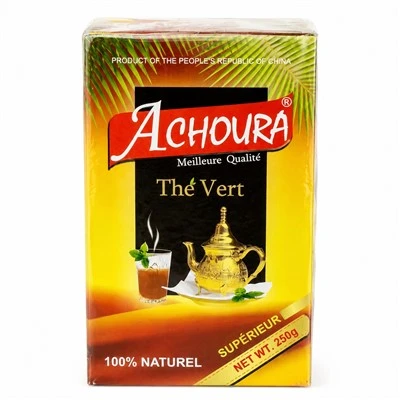
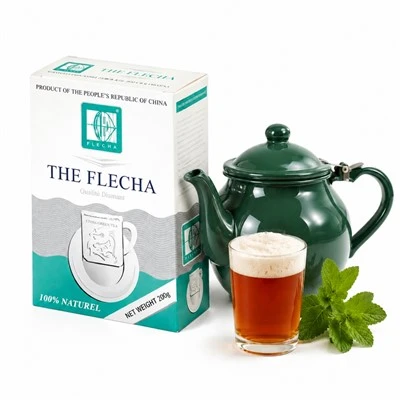
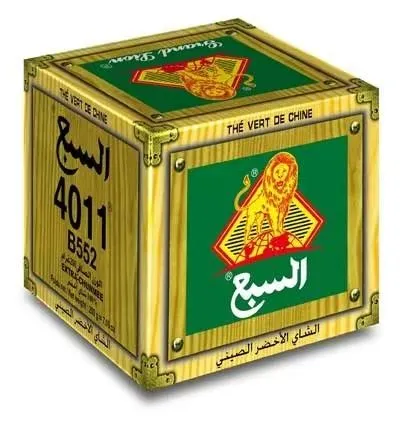
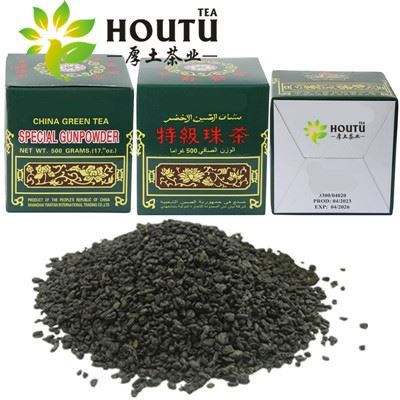
Tea cartons and warehouse storage
Tea protection begins with barriers against moisture, odour and rough handling.
Image source: HOUTU TEA public image library
A tea chest had one job that mattered above all: make the tea arrive smelling like tea.

Why wood alone was not enough

Wood created a rigid stackable box, but tea is highly sensitive to moisture and foreign odour. Historical chests often used an inner metal lining-commonly described as lead or tin-to improve the barrier.

The outside carried marks for origin, lot, merchant and shipping. The chest was therefore packaging, identification and warehouse unit at the same time.

A second life after arrival

Empty chests were reused for storage, furniture and household objects. Their printed marks could turn a disposable trade package into a visible reminder of distant origins.

Reuse also explains why museums and private collections preserve chests even when the tea itself has disappeared.

From chest to sack and container

Containerisation, wood cost and pallet handling encouraged the development of multiwall paper tea sacks with aluminium and polymer barriers. The packaging changed, but the technical requirements remained: control moisture, taint and physical damage.

Rigid chests supported stacking and handling.
Internal linings improved moisture and odour protection.
Marks connected each chest with a lot and merchant.
Modern sacks were designed for pallets and containers.
Historical materials need context
Lead linings belonged to historical packaging practice. They should not be copied into modern food-contact packaging, which must follow current regulations.
Primary source spotlight
The UK Tea & Infusions Association documents the development from wooden tea chests to the international tea-sack standard.
Open source
Protecting green tea for a hot or humid route?
Tell Sophie the transport time, climate, pack size and required shelf life.
Email SophieWhatsApp Sophie
jessie@hoututea.com · +86 18888798057
Send Inquiry
Contact us if have any question

You can either contact us via phone, email or online form below. Our specialist will contact you back shortly.

Contact now!