How a few spoonfuls in a tasting room could influence the value of thousands of kilograms.

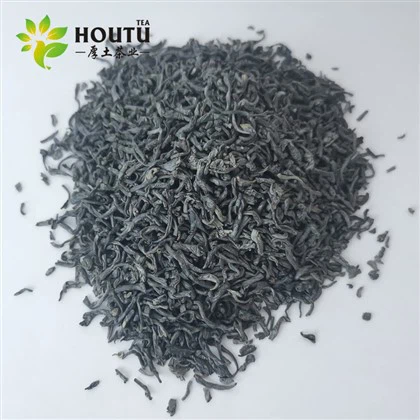
Image source: HOUTU TEA public image library
The physical auction system
India's organised tea auctions developed during the nineteenth century; Calcutta auction history is commonly dated to 1861. Producers offered numbered lots, brokers distributed samples and buyers tasted before bidding.
A lot's catalogue description did not replace the cup. Tasters examined dry leaf, infused leaf, liquor, faults and likely blending use before assigning a value.
Price discovery, not a quality contest
Auction price reflects quality, but also supply, demand, season, brand requirements, currency and buyer competition. A high price can result from scarcity; a useful commercial tea can sell at a lower level because volume is abundant.
The auction created a transparent moment where several buyers could compete, while private sales continued beside it.
From shout to screen
Modern e-auctions digitised catalogues and bidding. The technology changed, but sampling and pre-sale tasting remained central because tea cannot be fully valued from a spreadsheet.