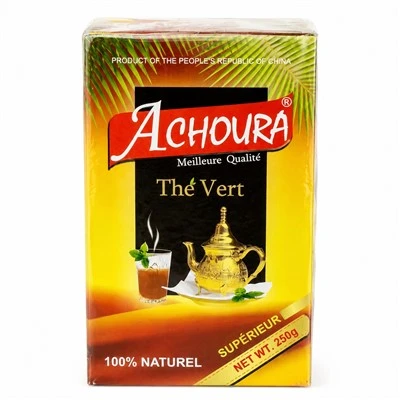
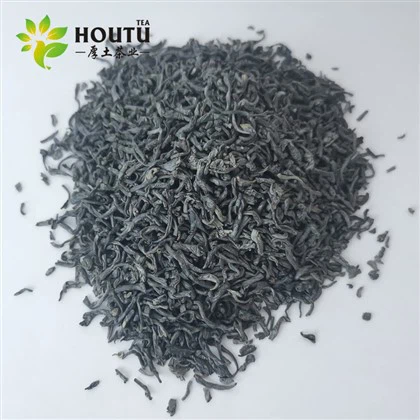
Tea is not only a beverage but also rich in nutrients with certain health preservation value - one of the key reasons for its long-term popularity. Core nutrients include tea polyphenols, caffeine, amino acids, vitamins, minerals (content varies by tea category).

✅ Tea polyphenols: Most important active component, with antioxidant, anti-inflammatory, lipid-lowering, blood pressure-lowering, cardiovascular disease prevention effects.
✅ Caffeine: Refreshes mind, promotes metabolism, relieves fatigue; low content, moderate drinking causes no burden.
✅ Amino acids (mainly theanine): Sedates nerves, relieves anxiety, improves immunity; high content in white tea and green tea.
✅ Vitamins (C, E, etc.): Antioxidant, whitening; highest vitamin C content in green tea.
✅ Minerals (potassium, calcium, magnesium, zinc, etc.): Maintain electrolyte balance, promote bone health.
Health value by tea category:
✅ Green tea (cold nature): Clear heat, reduce fire, relieve summer heat, quench thirst.
✅ Black tea (mild nature): Warm stomach, dispel cold, relieve fatigue.
✅ Dark tea, aged white tea (warm nature): Regulate intestines and stomach, reduce fat, lose weight.
✅ Oolong tea: Aid digestion, relieve greasiness, lower fat and blood pressure.

Note: Health value is reflected through long-term moderate drinking; excessive or improper drinking may irritate the stomach.