The phrase "hundred flavors of tea" refers not merely to the bitter, astringent, fresh and sweet tastes of tea liquor, but also uses tea as a metaphor for life. Every steep and every sip resembles tasting different stages and moods of life.

• Bitterness: The slight bitter taste upon sipping mirrors life's trials and hardships. It sharpens our senses and lets us cherish the subsequent sweet aftertaste all the more.
• Astringency: The puckering sensation brought by tea polyphenols stands for the awkwardness and struggles of growth. With patience, this astringency transforms into a refreshing sweet saliva lingering in the throat.
• Freshness: The brisk umami from amino acids is like small, unexpected joys in life. Subtle yet luminous, they brighten ordinary days.
• Sweetness: The returning sweetness or honeyed aroma represents rewards after hard work, or the relief that follows hardships - mild yet lingering.
• Mellow lightness: After several steeps, the tea flavor fades, yet the soul of tea still lingers in plain water. It symbolizes simplicity and sincerity after the bustle of prosperity fades away.
The Six Major Tea Categories: Shapes of All Flavors After thousands of years of evolution, Chinese tea is divided into six fundamental categories, each with unique flavors that together compose the full spectrum of tea tastes:
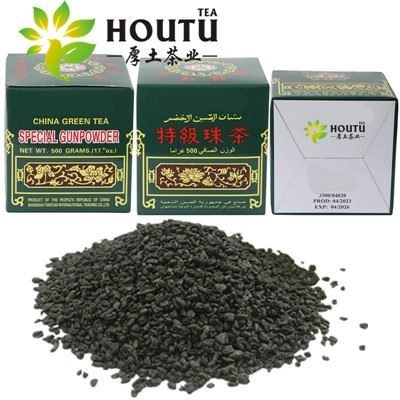
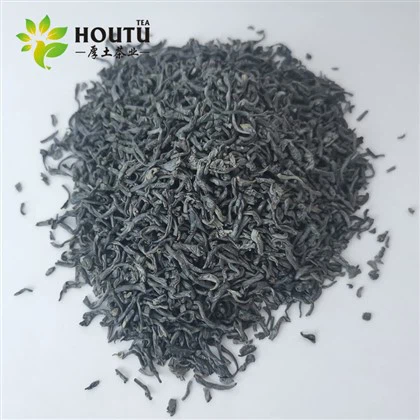
1. Green Tea: Unfermented, retaining its natural emerald hue. It boasts rich aroma and bright freshness. Varieties such as Xinyang Maojian, West Lake Longjing and Biluochun deliver the pure, crisp essence of spring.
2. White Tea: Slightly fermented with the simplest craftsmanship - no stir-frying or rolling, only natural sun-drying. It carries delicate downy fragrance and pale liquor. Representative types include Silver Needle and White Peony.
3. Yellow Tea: Lightly fermented, featuring a unique yellow-sealed process that yields golden liquor and yellow leaves with a mellow taste. Classic varieties: Junshan Silver Needle, Mengding Yellow Buds.
4. Oolong Tea (Blue Tea): Semi-fermented, falling between green tea and black tea. It releases rich, layered fragrance that persists through seven infusions. Tieguanyin exudes elegant orchid aroma, while Da Hong Pao bears distinct rocky mineral charm.
5. Black Tea: Fully fermented, producing reddish liquor and dark red leaves with sweet, warming properties. Lapsang Souchong and Keemun Black Tea once gained global fame through overseas trade.
6. Dark Tea: Post-fermented, improving in flavor with years of aging. Rich in beneficial microbes, it aids digestion and cuts greasiness. Pu'er Tea and Anhua Dark Tea embody the wisdom refined by time.

Life is akin to tea. The same brew yields countless different flavors to different drinkers with varied states of mind. What we taste is never just tea, but our own life stories: learning patience amid bitterness, discovering sincerity in tranquility, and embracing gratitude after savoring sweet aftertaste.