TEA KNOWLEDGE · ARTICLE 47
The wet leaf shows what the dry shape was hiding
Inspecting opened leaves adds useful information about the material, while aroma, taste and market fit remain essential.

The opened wet leaves reveal the material hidden inside the dry shape.
Brewing reveals the leaf behind the product
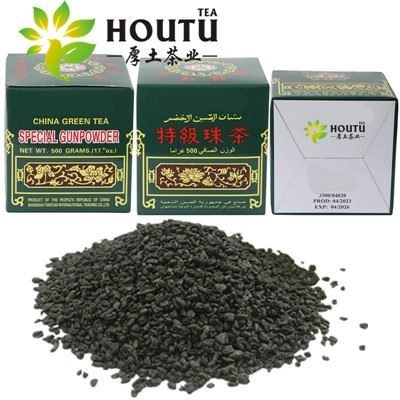
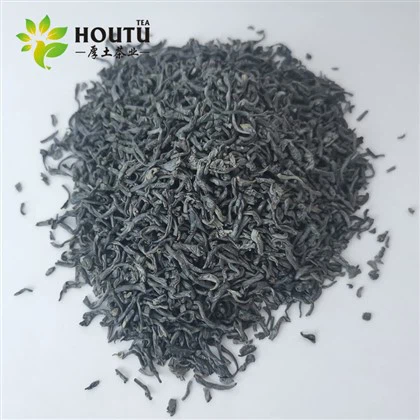
Rolled or twisted tea can hide the size and condition of the leaf. After brewing, the leaves open and become easier to inspect. This is especially useful for comparing Gunpowder pellets, curved Chunmee and different commercial grades.
What to observe
| Observation | What it may indicate |
|---|---|
| Leaf size | The material used and degree of breakage. |
| Uniformity | Whether the lot contains similar or mixed leaf types. |
| Colour | Processing style and storage condition. |
| Stem content | The visible balance of leaf and stem. |
| Foreign material | A reason to stop and investigate. |

Compact pellets can look very different after they fully open.
Wet leaves are useful, but not a complete grade
A beautiful opened leaf does not guarantee the right flavour, price or market fit. A broken-leaf tea may still produce the exact strong cup a consumer wants. Wet-leaf inspection should support the tasting, not replace it.
✓
Spread the wet leaves on a white plate.
✓
Compare samples after the same brewing time.
✓
Look for unusual odours as the leaves cool.
✓
Photograph the leaves under the same light.
✓
Connect the observation with cup strength and aftertaste.

Dry-leaf, wet-leaf and cup evaluation together provide the clearest picture.
Buyer habit
Keep photographs and the approved physical sample so future lots can be compared consistently.
Need help comparing leaf styles and cup performance?
Send Jessie your target appearance, preparation method and price position. A practical sample set can be arranged.
jessie@hoututea.com · +86 18888798057
Reference basis: Tea sensory-evaluation practice, particle-size research and studies of leaf and stem composition.