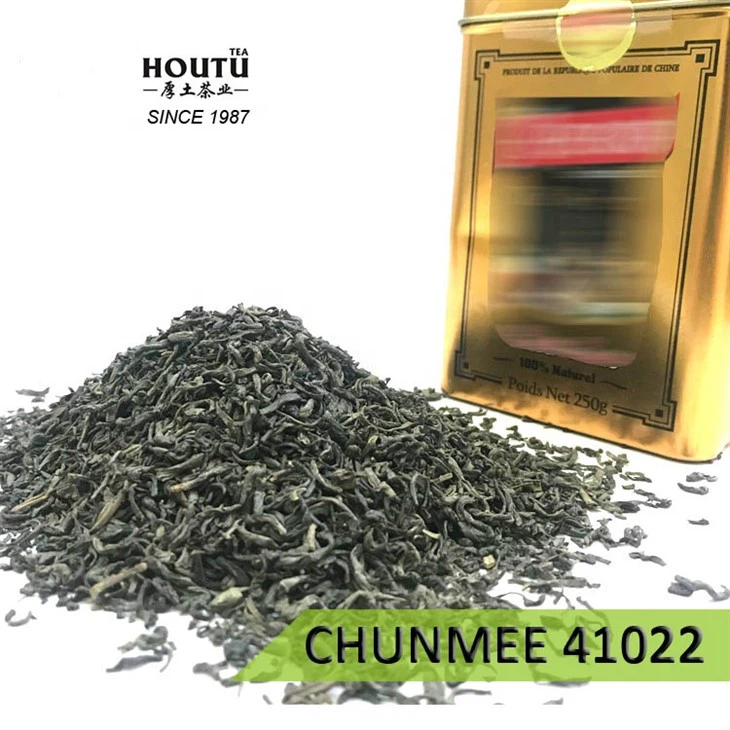
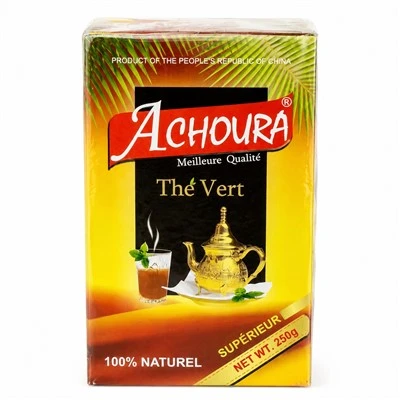
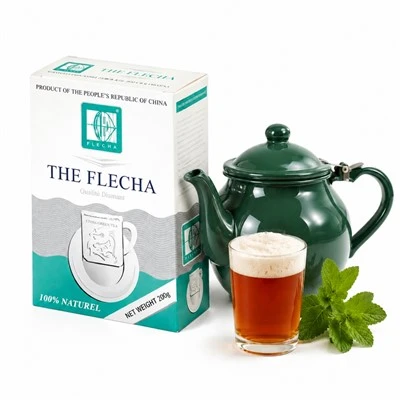
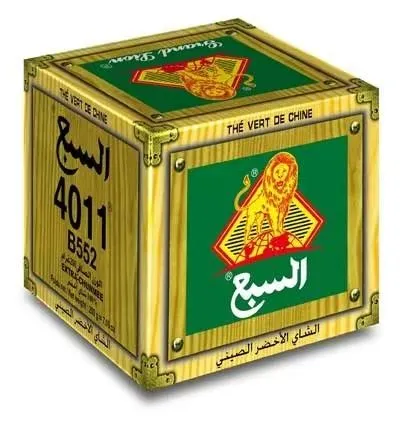
Knowing the meaning of each label item makes purchasing, retailing and traceability easier.

The label is the product's practical identity card
A tea package is more than a brand design. It normally carries information that helps consumers understand what they are buying and helps businesses trace the product. Exact legal requirements differ by country, so importers should always confirm the rules of the destination market.
Six common items to look for
| Label item | What it tells you |
|---|---|
| Product name | Whether the product is green tea, jasmine tea, mint blend or another style. |
| Ingredients | Whether the pack contains only tea or also flowers, flavouring, herbs or sugar. |
| Net weight | The amount of product inside, excluding the package. |
| Batch or lot code | A code that connects the pack with a production or packing record. |
| Best-before date | The expected quality period under stated storage conditions. |
| Origin and business details | Where the product comes from and who packed, imported or distributed it. |

Why the batch code matters
If a customer reports a problem, the batch code helps the seller and supplier identify which production record, packing material or shipment is involved. A clear code supports investigation without affecting every pack in the market.
Best before is different from a sudden expiry moment
For a dry product such as tea, the best-before date generally refers to expected quality. Storage still matters: heat, humidity, light and strong odours can reduce freshness before the date if the package is damaged or kept in poor conditions.
What to check before printing