Hotels, cafes and restaurants should balance taste, speed, equipment, consistency and guest experience.

The best format depends on the service situation
Hotels, cafes and restaurants need tea that tastes good, but they also need a format that works during busy service. Tea bags provide speed and portion control. Loose leaf offers more flexibility and can create a stronger premium experience when staff have the equipment and time to prepare it well.
A recent hospitality purchasing study found tea bags were the most common presentation among surveyed establishments, while some businesses offered loose leaf or both. This reflects the operational importance of convenience and consistency.
| Service area | Useful format | Main priority |
|---|---|---|
| Hotel guest room | Individually wrapped tea bags. | Clean, simple and easy for the guest. |
| Breakfast buffet | Tea bags or portioned loose leaf. | Fast replenishment and clear choices. |
| Cafe counter | Tea bags, pyramid bags or measured loose leaf. | Speed plus visible quality. |
| Restaurant table service | Loose leaf or premium large bags. | Presentation and guest experience. |
| Events and catering | Portioned formats. | Consistency for many cups. |
Questions to ask before choosing
Loose leaf creates flexibility
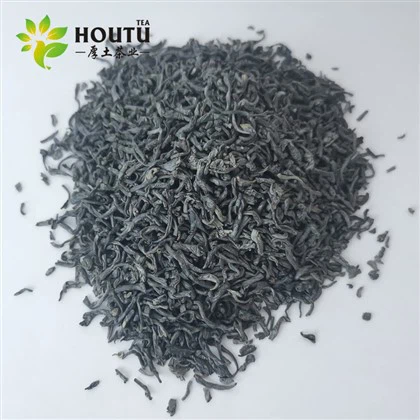
Staff can adjust the amount for a small cup, large pot or strong mint-tea preparation. Whole leaves can also create a visible premium impression. The trade-off is the need for measuring, training, cleaning and suitable equipment.
Tea bags create operational consistency
A pre-portioned bag makes the recipe easier to repeat and reduces loose leaves in the service area. The tea, bag size and water volume still need to match; an undersized bag in a large pot can create a disappointing cup.