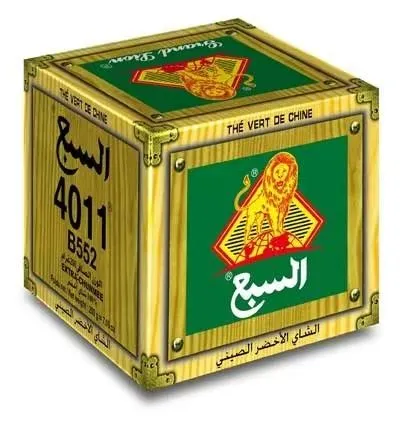
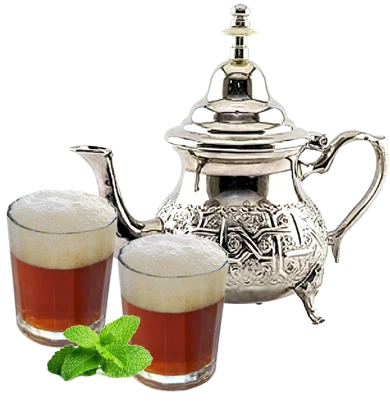
Across many cultures, tea creates time for conversation, respect and connection. The serving ritual helps define what customers expect from the product.
Tea is more than a drink
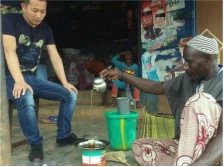
FAO describes tea as a symbol of hospitality, tradition and social connection in many communities. The details vary widely, but the shared idea is simple: preparing tea creates a reason to pause, sit together and welcome another person.
A cup may be served at home, in a shop, during a business meeting, at a celebration or after a meal. The value comes partly from the beverage and partly from the attention shown through preparation and service.
Different traditions emphasise different details
| Setting | What may matter |
|---|---|
| Chinese tea service | Leaf aroma, water, teaware and repeated small infusions. |
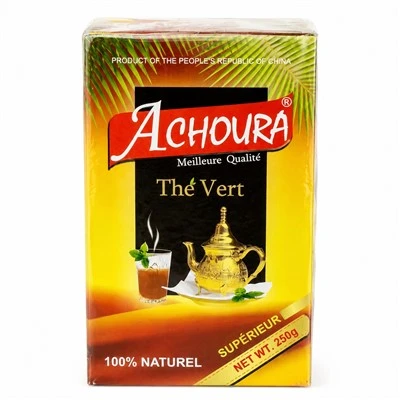
| North African mint tea | Strong green tea, mint, sweetness, pouring and shared service. |
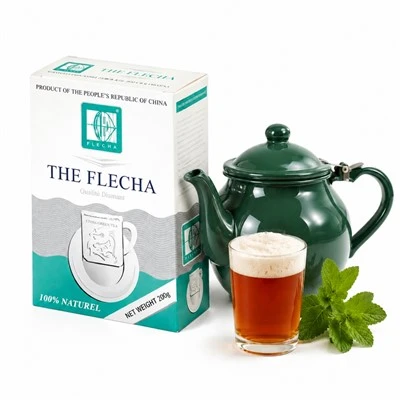
| West African social tea | Time, conversation, strength and the visual presentation of the glass. |
| Hotel or business meeting | Clean preparation, consistency and a welcoming choice for guests. |

Why presentation matters
The teapot, cup, tray, foam, mint leaves or retail pack all help create expectations before the first sip. A simple presentation can feel generous when it is clean, familiar and appropriate to the occasion.
Hospitality changes the product requirement
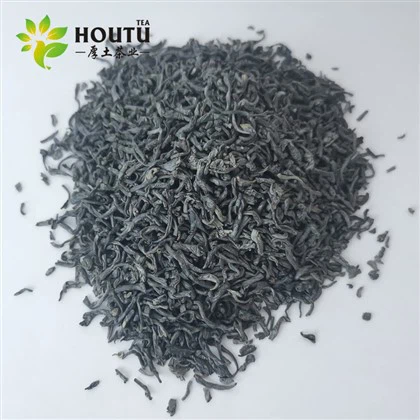
Tea served to guests often needs dependable colour, aroma and strength. If the preparation includes sugar, mint or repeated pouring, the base tea must remain noticeable. A delicate personal tea and a tea designed for a large social pot may therefore be different products.