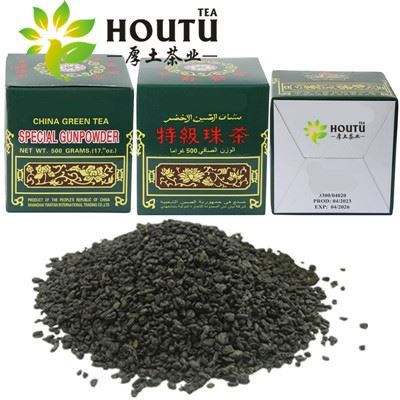
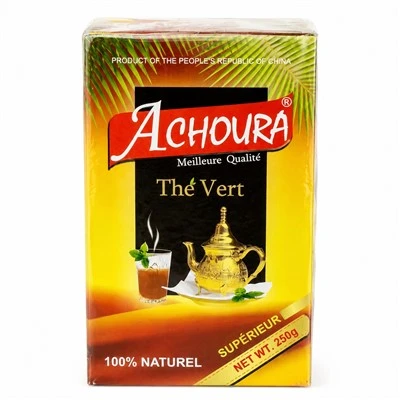
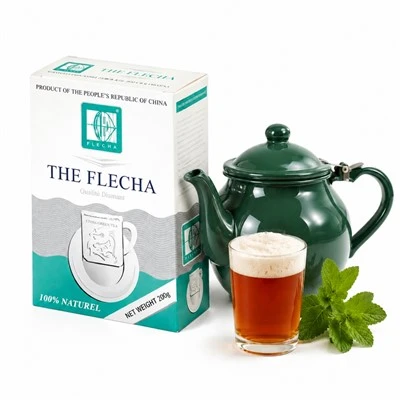
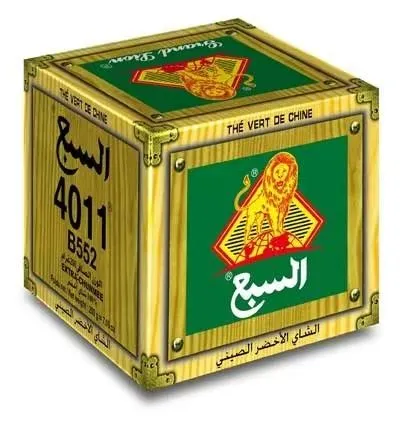
Pack size influences affordability, shelf visibility, freshness after opening and the economics of distribution.

A small pack changes the purchase decision
In many fast-moving retail markets, consumers do not only compare the price per kilogram. They also consider the amount of cash needed today. Small packs can create a more accessible entry price, encourage product trial and fit frequent shopping habits.
World Bank research on base-of-the-pyramid markets describes small-unit or sachet marketing as a way to make fast-moving consumer goods more affordable per purchase. The same commercial logic can apply to tea, although the pack must still protect quality.
Advantages for consumers, retailers and brands
| For the consumer | For the retailer | For the brand |
|---|---|---|
| Lower amount paid per purchase. | Faster-moving, easy-to-display units. | Lower barrier to first trial. |
| Tea can be finished sooner after opening. | More price points on the shelf. | Visible packs can build recognition. |
| Convenient for travel or gifting. | Suitable for small local shops. | Can support sampling and promotions. |

The trade-offs of a smaller format
Small packs usually use more packaging material and printing per kilogram of tea. Filling and carton handling can also become more complex. The final decision must balance consumer affordability with production cost, distributor margin and environmental impact.
Design must work at a small size

How buyers can choose a pack portfolio
A brand may use one small trial pack, one main everyday pack and one larger value pack. The right combination depends on local income patterns, shop types, competitor prices and the frequency of tea consumption.