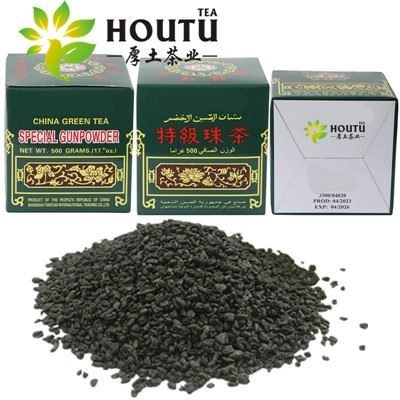
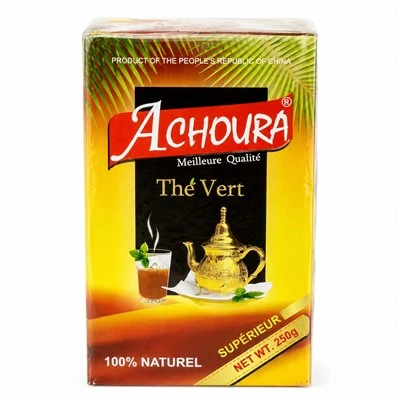
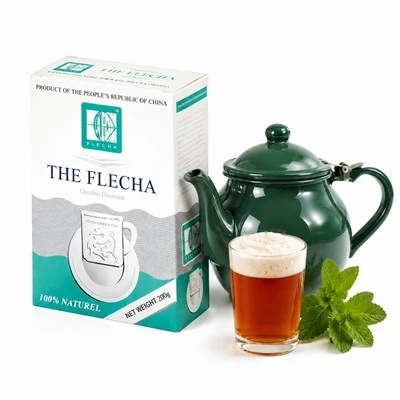
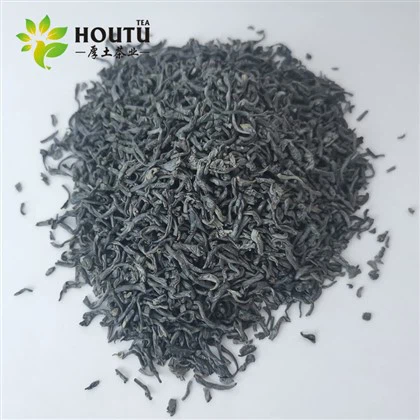
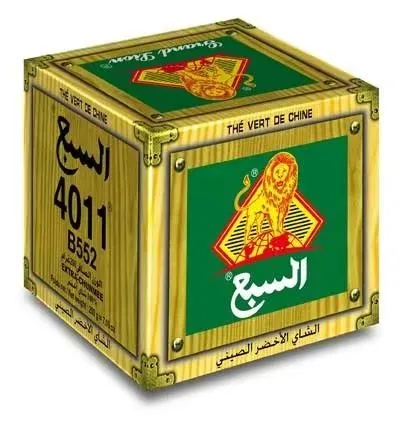
For importers, comparing Chunmee is not about memorising a simple ranking. It is about linking leaf appearance, cup strength, cleanliness, repeatability and landed cost to the needs of a specific market.

1. Treat the grade number as a trade reference-not a complete specification
Numbers such as 41022, 4011, 9371, 8147 and 9367 are widely used in the commercial trade of Chinese Chunmee. They help buyers and suppliers discuss broad product styles, but the codes are not a substitute for a signed specification or an approved sample. The same code can still show differences in leaf size, stem content, colour, cleanliness and infusion strength from one supplier or crop period to another.
This is why a professional buyer should begin with the code, then define what the code must mean for the target market. ISO maintains a separate standard for classifying tea grades by particle-size analysis, which reinforces an important point: a market code and a measurable physical specification are not the same thing.
2. Compare the five dimensions that affect commercial value
| Dimension | What to inspect | Why it matters |
|---|---|---|
| Leaf appearance | Shape, twist, colour and visual uniformity. | Influences shelf appeal and buyer perception. |
| Cleanliness | Dust, stalk, fibre and foreign matter. | Affects clarity, extraction speed and usable yield. |
| Cup colour | Brightness, depth and stability after standing. | Must match local preparation habits. |
| Taste structure | Strength, bitterness, astringency and aftertaste. | Determines consumer acceptance. |
| Repeatability | Similarity across production lots. | Protects the importer's brand reputation. |

3. Do not assume that the most expensive grade is automatically the best choice
A refined, even-looking tea can be ideal for a premium retail pack, but a mass-market brand may need stronger extraction, darker liquor and a more competitive cost per kilogram. In markets where tea is brewed with sugar or mint, cup strength can be more important than a delicate dry-leaf appearance.
The right grade is therefore the one that produces the target consumer experience at the required landed cost. Buyers should compare the tea in the same kettle, with the same water, brewing time and sugar level used in the destination market.
4. Build a repeatable comparison protocol
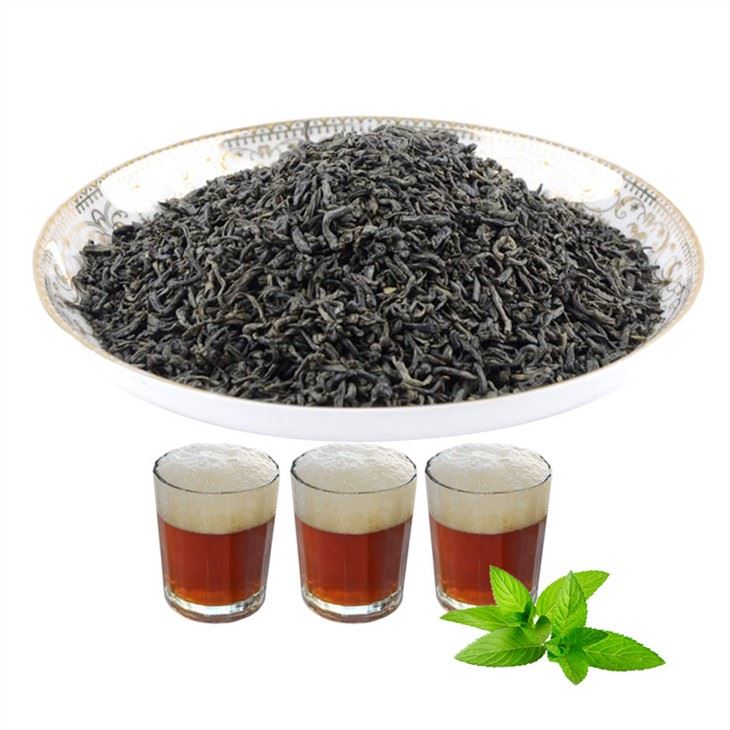
5. Convert the sample into a purchase specification
A useful specification should include the commercial grade, the approved sample code, moisture requirement, packaging structure, net weight, carton marking and acceptable sensory range. Photos can support the specification, but they cannot replace the physical sample because colour and scale may be distorted on screens.
For recurring orders, the supplier should compare every production lot against the master sample and report any meaningful variation before shipment. This simple discipline prevents many disputes that otherwise appear only after the container arrives.