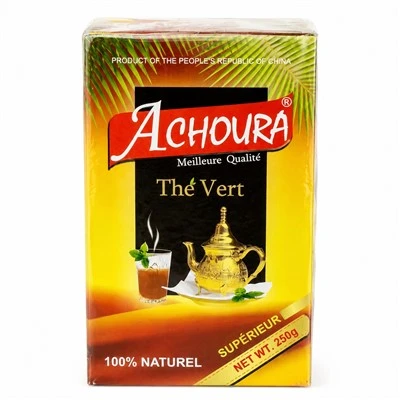
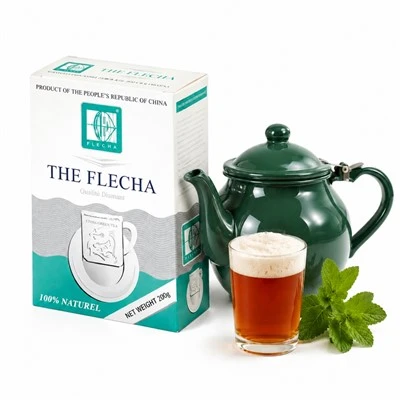
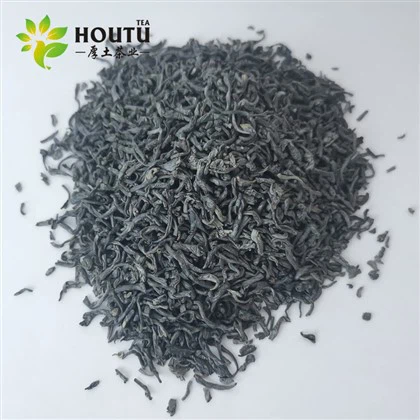
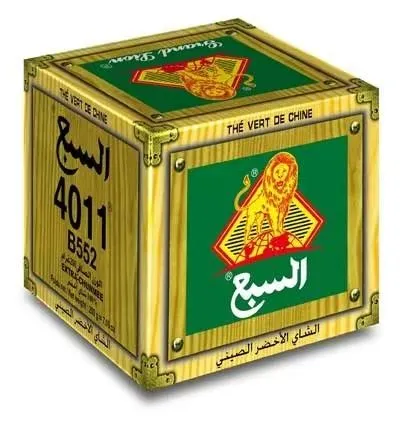
Its well known, our tea leaves can be divided into six categories based solely on the production process of tea leaves, excluding tree species: green tea, white tea, yellow tea, oolong tea, black tea, and flower tea. Faced with so many types of tea products (referring solely to commercial tea), how can we most intuitively and objectively reflect the quality of tea without measuring subjective feelings such as taste and texture, and on the premise that tea manufacturers use product labels in compliance with regulations? In fact, the product information of tea is already very clear in this regard, but many people do not know how to read or understand it. Most people tend to focus on the production date and shelf life when looking at tea product information, while ignoring the two core elements in the product information: execution standards and grades.
There are over 320 standards for tea in the national standard information database, which are constantly increasing and divided into national standards, industry standards, landmark standards, and a large number of enterprise standards. For the convenience of everyone's understanding, the following are some common tea execution standards:
|
眉茶 mee tea |
GB/T14456.5-2016 |
|
|
庐山云雾茶 Lushan Yunwu Tea |
GB/T21003-2007 |
Geographical Indication Products |
|
洞庭(山)碧螺春茶 Biluochun |
GB/T18957-2008 |
Geographical Indication Products |
|
龙井茶 Longjing |
GB/T18650-2008 |
Geographical Indication Products |
|
西湖龙井茶West Lake Longjing Tea |
GH/T1115-2015 |
Geographical Indication Products |
|
白茶white tea |
GB/T22291-2017 |
|
|
黄茶Yellow Tea |
GB/T21726-2018 |
|
|
乌龙茶Oolong tea |
GB/T30357.1-2013 |
|
|
红茶black tea |
NY/T780-2004 |
|
|
黑茶dark tea |
GB/T32719.1-2019 |
|
|
六堡茶Liubao Tea |
GB/T32719.4-2016 |
|
|
普洱茶Pu'er tea |
GB/T22111-2008 |
Geographical Indication Products |
There are too many standards to list one by one. All the standards can be found on the "Standard Information Announcement Service Platform" website in China, or can be directly searched online. By studying these standards, one can find that each standard has clear regulations on the definition, classification, quality requirements, grading requirements, physical and chemical indicators, and protection scope of geographical indication products for this type of tea. As consumers, when buying a tea, corresponding to its execution standards and grade, one can easily understand the general situation of the tea leaves. Of course, the taste and texture of the tea leaves still need to be understood after opening the soup and tasting the tea.