There are many ways to classify tea in China. We classify tea according to the degree of fermentation during processing, and can divide tea into six major categories, which is currently the most mainstream classification method. If there is any difference between them, it is actually the difference in production process that leads to different tea properties.
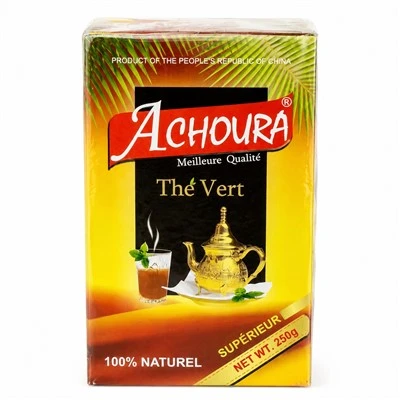
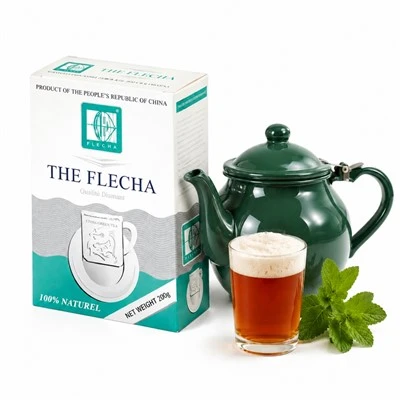
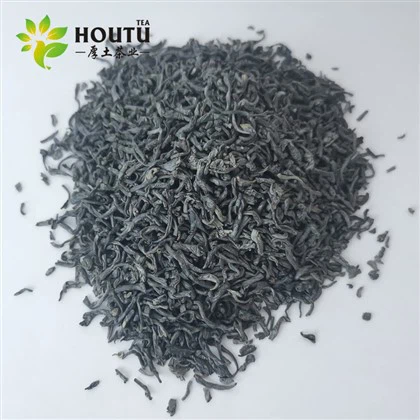
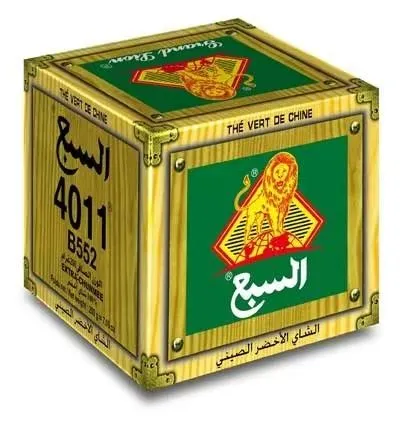
Non fermented tea: green tea. There are numerous green teas in our country, and their production process involves several major steps: spreading, withering, rolling, and drying. Of course, some famous green teas have more complex production processes, such as the drying process which can be divided into: roasting (stir frying) two green teas, roasting (stir frying) three green teas, and so on. However, the most critical step in the entire production process is to perform high-temperature withering on the green leaves after they are spread out, which rapidly inactivates the enzyme activity in the fresh leaves and prevents the enzymatic oxidation of polyphenolic substances in the fresh leaves, thereby maintaining the green color of the processed leaves. Formed the "three green" characteristics of green tea: color green, soup green, and leaf base green.

Micro fermented tea: White tea, also known as white tea, is due to the fact that dry tea is covered in white hairs; On the other hand, his production process is minimalist, with almost no intervention, hence the name 'white'. The production process is to not knead or stir fry, pick fresh leaves, and dry them after withering. During the withering process, there will be a slight transformation of polyphenolic substances in fresh leaves. White tea, due to its long-term withering and dehydration, has formed the quality characteristics of white tea covered in white hairs, "green and plain", and fresh and mellow taste.

Light fermented tea: Yellow tea. The production process of yellow tea is similar to that of green tea, except that an additional yellowing process is added during the rolling and drying process. Essentially, it is a process of mild oxidation of polyphenolic substances, which promotes the quality characteristics of "yellow soup, yellow leaves", clear aroma, and rich flavor after brewing yellow tea.

Semi fermented tea: Oolong tea (green tea), including Minnan Oolong, Minnan Oolong, Guangdong Oolong, etc., undergoes withering, sun drying, and multiple shaking and cooling processes during the production process, which results in a certain degree of enzymatic oxidation reaction of tea polyphenols in fresh leaves, known as fermentation. Especially for oolong tea that emphasizes fermentation, the middle of the leaves is green, and the edges of the leaves are red, known as the "green leaf red border". Oolong tea is precisely because of this special processing process that the finished tea has a green brown color, natural floral aroma, and a rich and mellow taste.
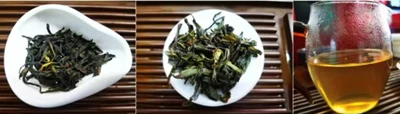
Fully fermented tea: Black tea, whether it is small variety black tea or Gongfu black tea, is made by withering, rolling, fermenting, and drying processes. The essence of its fermentation is the accelerated oxidation of tea leaves after rolling at appropriate temperature and humidity, and the gradual enzymatic oxidation of polyphenolic substances into theaflavins and thearubigins. So after brewing black tea, it presents a red soup with a red leaf base.

The "fermentation" referred to in the above five categories is essentially the oxidation process of polyphenolic substances, without the involvement of microorganisms. There is still a certain difference in fermentation compared to black tea.
Post fermented tea: Dark Tea, such as ripe Pu, Liu Bao, etc. The production process involves withering, rolling, or initially making finished tea from fresh leaf raw materials, followed by piling. The process of fermentation in Piling involves the comprehensive action of enzymatic, microbial, and humid heat on processed leaves under anaerobic conditions, which promotes changes in the chemical composition of the tea leaves, resulting in unique color, aroma, and taste characteristics such as black tea color, oil black, or black brown.

A leaf, under the influence of time, temperature, humidity, and even varying degrees of microbial activity, forms different quality characteristics. As ordinary consumers, in addition to understanding their different quality characteristics, such as the "three green" characteristics of green tea, the red soup and red leaves of black tea, etc., by learning about the production process of various types of tea, we can clearly understand the reasons for their different quality characteristics.