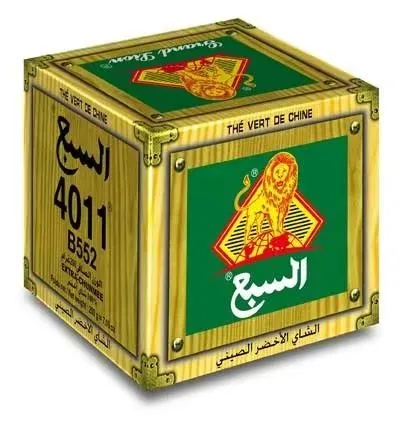
A professional green tea evaluation controls the water first, then compares the leaf. This is especially important when supplier and importer taste in different countries.

1. Tea quality and water quality are inseparable
Importers sometimes receive a sample they enjoy at the supplier's tasting room, then obtain a different result in their own country. One major reason is water. Peer-reviewed studies show that mineral content, hardness and pH can change the extraction and stability of catechins, caffeine and aroma compounds in green tea.
This means that the same leaves can appear brighter, darker, smoother, flatter or more bitter depending on the water used. A supplier and buyer may both be describing the tea honestly while tasting two different cups.
2. Hardness changes extraction and flavour
Water hardness is mainly associated with dissolved calcium and magnesium. Research has found that higher hardness can reduce the measured extraction of total catechins and alter the sensory balance of green tea. Calcium-rich water has also been linked to deeper colour and stronger bitterness or astringency in some green tea infusions.
3. pH and mineral content influence aroma
| Water characteristic | Possible effect on green tea | Buyer action |
|---|---|---|
| High hardness | Heavier colour, altered extraction and more scale. | Compare with softer water. |
| High alkalinity | Flatter aroma and faster colour change. | Test lower-alkalinity water. |
| Very low minerals | Clean expression but sometimes lighter body. | Check market preference. |
| Iron contamination | Metallic notes and aroma changes. | Investigate water source. |
| Neutral, lower-mineral water | Often supports clearer green-tea aroma. | Use as a comparison baseline. |
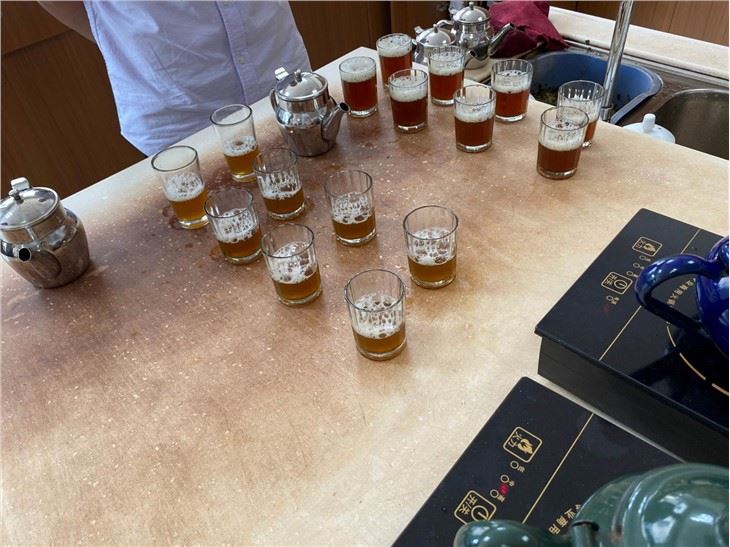
4. Use two water tests during product development
The first test should use a controlled, low-odour water to compare tea samples fairly. The second should use representative local water from the destination market. This reveals whether the tea remains attractive under real consumer conditions.
5. Water can explain market-specific product preferences
A tea selected in a soft-water region may perform differently in a hard-water city. Some markets may prefer a stronger leaf or a different blend to compensate. Product customisation should therefore consider local water together with brewing habits.

6. Turn the water issue into a better buying brief
When requesting samples, tell the supplier how the tea will be prepared and what water conditions are common in the target market. A competent supplier can help test alternative grades, adjust blend strength or recommend a brewing range.