Differences in tea quality in different seasons
The differences in tea quality across seasons are quite noticeable. The core variation lies in the growth condition and metabolic process of tea plants.

It should be noted before comparison that the picking and processing period varies slightly according to the climate of different producing areas. There is no absolute good or bad; they merely differ in flavor characteristics.
⭐⭐⭐⭐⭐ Spring Tea (March to mid-May): It boasts the best overall quality, with rich and long-lasting aroma, fresh and mellow taste. It carries a slight bitter note followed by a quick sweet aftertaste. Early spring tea (pre-Ming Festival tea) usually comes with a relatively high price. It contains the highest level of amino acids and comparatively low tea polyphenols and catechins, featuring an outstanding fresh flavour.

· ⭐⭐☆☆☆ Summer Tea (late May to July): Its quality is inferior, with dull and slightly coarse aroma. The taste is distinctly bitter and astringent, and the liquor lacks mellowness. Nevertheless, summer tea has a high output and an affordable price. It is rich in tea polyphenols and anthocyanins while low in amino acids, marked by prominent astringency.

· ⭐⭐⭐⭐☆ Autumn Tea (August to October): It is famous for its fragrance, which is bright, delicate and long-lasting. The taste is sweet and gentle with little bitterness and astringency. Autumn tea is abundant in aromatic substances, while caffeine and amino acids decrease significantly, and its main selling point is its fine aroma.
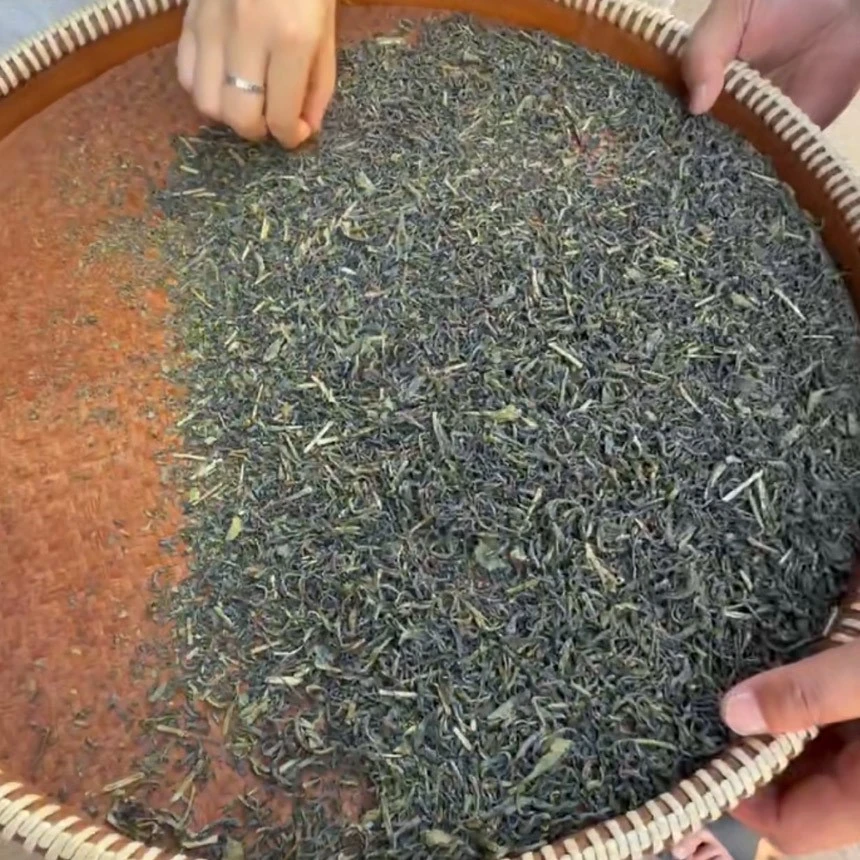
· ⭐⭐⭐⭐☆ Winter Tea (after October): The yield is scarce. It has a delicate and faint fragrance, mellow taste and almost no bitterness, with subtle natural sweetness. It contains very few bitter and astringent substances, and its main feature is its smooth mellowness.

Final reminder: Tea quality is affected not only by seasons, but also closely linked to the weather conditions of that year, specific growing terrain and the proficiency of tea processing techniques.