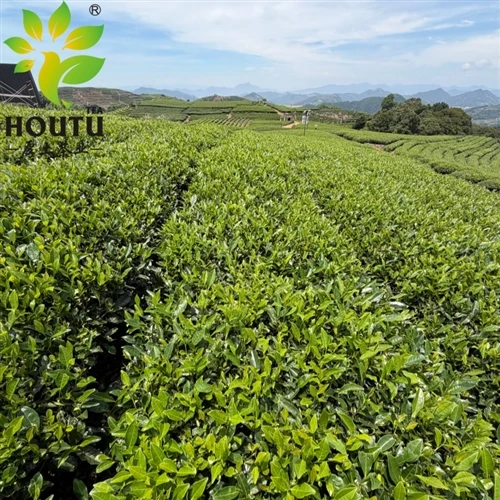
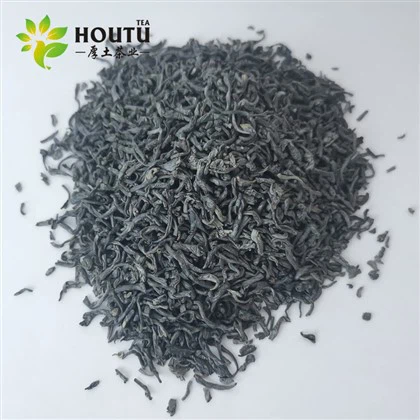
The rock tea industry is currently in a critical transition period, shifting from category dividends to brand dividends. It follows a high-quality development path driven by three pillars: tradition, technology and branding. The development can be broken down into five key directions:
1. Upholding traditional craftsmanship and authentic terroir The whole industry attaches great importance to inheriting intangible cultural heritage tea-making techniques and preserving the unique terroir of the core producing area in Wuyi Mountain. Supported by the newly revised national standard for Wuyi rock tea to be enforced in April 2027, generations of experience such as judging fresh leaves for manipulation and controlling charcoal roasting temperatures are being converted into standardized operational procedures. This safeguards the distinctive rocky minerality and floral aroma of rock tea at the source. It also relaxes restrictions on the circulation of aged rock tea and creates greater development potential for vintage tea products.
2. Digital and intelligent upgrading of the whole industrial chain This serves as the core of industrial transformation. On one hand, intelligent roasting machines and automated processing equipment convert master tea makers' experience into quantifiable technical indicators, resolving the problem of inconsistent flavor across different batches under traditional production methods. On the other hand, research teams from universities decode the molecular mechanisms behind processing techniques, establishing databases for tea garden soil conditions and tea flavor profiles. Production is advancing from an era reliant on craftsmen's personal experience to an intelligent manufacturing era guided by data.
3. Establishing a fully transparent traceability system Technologies including blockchain traceability and DNA fingerprinting are widely adopted. Each batch of rock tea is assigned a digital identity card. Consumers can scan a code to check full information covering origin, processing procedures and pesticide residue test results. This addresses long-standing industrial problems such as origin fraud and information asymmetry. By 2026, the market share of genuine rock tea products has risen to 54 percent.
4. Brand building and nationwide expansion The industry is moving away from fragmented small-scale workshops. Leading brands break regional boundaries through full industrial chain management and comprehensive franchise support systems to capture consumer recognition, improving the low brand concentration within the high-end rock tea market. The sector is transforming from a traditional agricultural product business into a modern branded consumer goods industry.
5. Green development and diversified business expansion Ecological cultivation and organic fertilizer substitution are promoted in tea gardens, with green production standards implemented across the entire industrial chain. The industrial boundary is continuously expanding. New business forms including tea tourism, tea derivative development and rock tea collection and investment are flourishing. Single tea-drinking consumption is extended into a diversified industrial ecosystem covering cultural tourism, health consumption and investment sectors.