SHENGZHOU HOUTU TEA CO., LTD. | CHINA GREEN TEA
Across the vast and diverse landscapes of Africa and the Arab world, China Green Tea is far more than an imported beverage. It is a daily necessity, a cornerstone of hospitality, a symbol of cultural identity, and a trusted companion in both quiet moments and grand gatherings. For millions of consumers-from Moroccan families and Senegalese communities to Saudi households and Mauritanian nomads-green tea is woven into the fabric of everyday life. To understand this market is to listen to the voices of its people: their preferences, rituals, values, and uncompromising standards for quality. As a leading exporter of authentic China Green Tea, Shengzhou Houtu Tea Co., Ltd. has dedicated decades to understanding these perspectives, crafting products that honor local traditions while delivering the consistent excellence that African and Arab consumers demand.
Green Tea as a Way of Life: Core Consumer Beliefs
For African and Arab consumers, green tea is defined by four enduring values: hospitality, health, community, and authenticity. These beliefs shape every aspect of consumption, from how tea is brewed to how it is shared and celebrated.
Hospitality is non-negotiable. In nearly every culture across North Africa, West Africa, and the Arab region, offering green tea to a guest is the first act of welcome. To refuse tea is to refuse respect; to serve it well is to honor family, friends, and strangers alike. Moroccan consumers describe green tea as "the language of kindness," while Senegalese families view the ataya tea ceremony as a sacred ritual of connection. For Saudi and Emirati consumers, green tea served in small glass cups is a staple of majlis gatherings, business meetings, and holiday celebrations. This universal emphasis on hospitality makes green tea indispensable-consumers do not merely buy tea; they invest in a product that enables them to express their most cherished cultural value.
Health and wellness are foundational. The hot, arid climates of North Africa, the Sahel, and the Arabian Peninsula make hydration, refreshment, and vitality daily priorities. Consumers widely recognize China Green Tea for its natural cooling properties, digestive benefits, and gentle stimulating effect-an ideal alternative to alcoholic beverages, which are prohibited in many Muslim-majority countries. Local wisdom passed down through generations holds that green tea aids digestion after meals, soothes discomfort, and sustains energy during long days. Unlike artificially flavored drinks, green tea is valued as a pure, natural infusion aligned with traditional wellness practices. This health-centric mindset drives consistent, year-round demand, with consumers prioritizing teas that retain fresh, natural flavors and beneficial properties.
Community and ritual define daily life. Green tea consumption is almost never solitary. In West Africa, the ataya ceremony-brewing strong green tea, pouring repeatedly to create a rich foam, and sharing three rounds of tea-can last for hours, fostering conversation, conflict resolution, and bonding. In North Africa, families gather multiple times a day for mint tea, pausing work and chores to connect. In Bedouin and nomadic communities, green tea is a portable, simple-to-brew staple that sustains social bonds across vast deserts. Consumers consistently tell us that the experience of tea is as important as the taste itself. They seek teas that perform well in traditional brewing methods-whether boiled with mint, steeped for strength, or poured from height to create foam.
Authenticity and origin matter deeply. African and Arab consumers strongly associate premium green tea with China. Decades of trade have cemented the reputation of China Green Tea as the gold standard for flavor, aroma, and brewing performance. When shoppers choose tea, they actively look for products labeled "China Green Tea," associating the label with consistency, purity, and adherence to time-honored craftsmanship. Counterfeit or low-quality substitutes are quickly rejected, as experienced consumers can instantly detect differences in color, aroma, foam, and aftertaste. This trust in Chinese origin is a powerful driver of loyalty-and a responsibility that Shengzhou Houtu Tea takes to heart.
Regional Preferences: What African and Arab Consumers Love Most
While the core values of hospitality, health, community, and authenticity unite consumers across the region, distinct regional preferences have evolved to suit local climates, traditions, and tastes. These preferences guide purchasing decisions and shape how our China Green Tea is enjoyed.
North Africa (Morocco, Algeria, Tunisia, Mauritania): The Mint Tea Heartland North African consumers are the world's most dedicated green tea drinkers, with Morocco standing as the largest importer of China Green Tea globally. Their ideal tea is robust, full-bodied gunpowder-style green tea that holds its flavor when boiled with fresh mint (nana) and generous sugar. They prize teas that produce a thick, creamy foam when poured-a sign of quality-and that retain a bright, golden-green liquor. Consumers in Saharan regions prefer stronger, darker infusions with longer boiling times, while coastal areas favor lighter, more aromatic brews. For these consumers, consistency is critical: they need tea that performs the same way every time, whether for daily family use or large ceremonial gatherings.
West Africa (Senegal, Mali, Mauritania, Nigeria): The Ataya Ceremony Specialists West African consumers prioritize strength, foam, and endurance. They brew tea multiple times from the same leaves, valuing varieties that maintain flavor across three or more infusions. The ataya ritual demands teas that create abundant, long-lasting foam-seen as a mark of excellence. Sugar is often added, but some communities prefer bitter, unadulterated tea to emphasize the tea's natural character. Portability and value are key: consumers buy in bulk for daily use and community gatherings, seeking high-quality teas at accessible price points.
Arab States (Saudi Arabia, UAE, Kuwait, Jordan, Egypt): Elegance and Consistency In Gulf and Levant markets, consumers favor clean, fragrant, well-balanced green tea served in small, elegant glassware. Brewing is often simpler than in African markets-steeping rather than boiling-highlighting the tea's natural aroma and smooth taste. Green tea is a staple of daily life, business hospitality, and religious occasions such as Ramadan and Eid. Consumers here prioritize consistent quality, attractive packaging, and teas that align with modern, health-focused lifestyles. Many are increasingly conscious of origin and sustainability, seeking transparent, reputable brands like Shengzhou Houtu Tea.
What Consumers Value Most in China Green Tea
Through decades of partnership with importers, distributors, and local communities, we have identified the non-negotiable qualities that African and Arab consumers demand from China Green Tea:
Consistent Quality No two batches should differ in color, aroma, or brewing performance. Families and businesses rely on predictable results for daily use and ceremonies.
Excellent Foaming & Infusion Tea must produce abundant foam when poured correctly and hold flavor through multiple steepings-essential for traditional rituals.
Pure, Natural Taste No artificial additives or off-notes. Consumers seek the fresh, authentic character of properly processed Chinese green tea.
Purity & Food Safety Strict adherence to international food safety standards is non-negotiable. Consumers trust tea that is clean, tested, and responsibly sourced.
Suitability for Local Preparation Tea must perform well when boiled, steeped, mixed with mint, or sweetened-adaptable to every regional style.
Trusted Origin & Brand Consumers choose brands with a proven track record of delivering authentic China Green Tea, backed by reliable supply and customer support.
These are not just product features-they are the promises that keep consumers loyal for generations.
Shengzhou Houtu Tea: Listening to Consumers, Delivering Excellence
At Shengzhou Houtu Tea Co., Ltd., we do not just sell tea-we listen to consumers. Every aspect of our China Green Tea is crafted based on the real-world preferences and feedback from our partners in Africa and the Arab world.
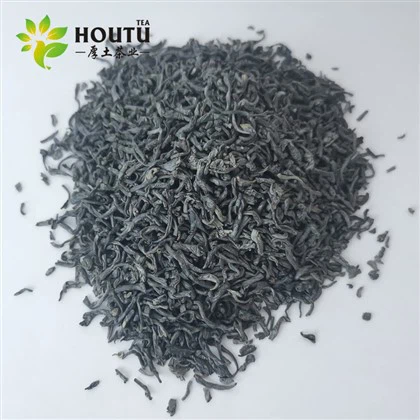
We source our tea from China's most renowned tea-growing regions, using time-honored processing methods to preserve freshness, aroma, and brewing performance. Our gunpowder and chunmee green teas are specially processed to deliver the robust flavor, excellent foam, and consistent infusion that African and Arab consumers love. We implement strict quality control at every stage-from picking and processing to packaging and shipping-to ensure purity, safety, and uniformity.
We understand that green tea is a cultural treasure, not a commodity. That is why we work closely with local partners to honor traditions, adapt to regional tastes, and provide reliable supply even during peak demand periods such as Ramadan, weddings, and holiday seasons. Our commitment to fairness, transparency, and long-term partnership has made Shengzhou Houtu Tea a trusted name in homes, cafes, and businesses across the region.
Conclusion: A Shared Cup, A Shared Future
The voices of African and Arab consumers speak clearly: China Green Tea is more than a drink-it is a symbol of hospitality, health, community, and cultural pride. Their unwavering preference for authentic, high-quality Chinese green tea is a testament to centuries of cross-cultural exchange and mutual respect.
For Shengzhou Houtu Tea Co., Ltd., this legacy is both a privilege and a responsibility. We are proud to be part of the daily lives, rituals, and connections of millions of consumers across Africa and the Arab world. By staying true to consumer preferences, upholding the highest standards of quality, and honoring the cultural significance of green tea, we continue to strengthen the timeless bond between China's tea heritage and the communities that have made green tea their own.
Every cup of China Green Tea enjoyed in a Moroccan home, a Senegalese village, a Saudi majlis, or a Mauritanian tent represents trust-a trust we work tirelessly to uphold, every day, in every batch.