SHENGZHOU HOUTU TEA CO., LTD. | CHINA GREEN TEA
For millions across the African continent and the Arab world, green tea is far more than a daily beverage-it is a cornerstone of hospitality, a symbol of social connection, a pillar of cultural ritual, and an enduring link to centuries of global trade and cultural exchange. The story of how China Green Tea took root, evolved, and became inseparable from the social fabric of African and Arab communities is one of resilience, adaptation, and mutual appreciation. Rooted in the ancient tea-growing traditions of China, this journey spans deserts, coastlines, and mountain ranges, weaving together merchants, nomads, royals, and everyday people into a shared narrative of tea culture. Today, as a trusted exporter of premium China Green Tea, Shengzhou Houtu Tea Co., Ltd. honors this legacy by delivering authentic, high-quality green tea that carries forward the historical and cultural soul of this timeless drink to markets across Africa and the Arab region.
The Chinese Roots: The Birthplace of Green Tea
To understand green tea's place in Africa and the Arab world, we must begin in its ancestral home: China. For over 5,000 years, China has cultivated, processed, and revered tea as a gift of nature and a pillar of civilization. Green tea, in particular, represents the purest expression of Chinese tea craftsmanship-picked fresh, quickly steamed or pan-fired to preserve natural enzymes, and minimally processed to retain its vibrant color, fresh aroma, and rich nutritional profile. Unlike black tea, which undergoes full oxidation, green tea retains the essence of the tea leaf, making it uniquely suited to long-distance trade and adaptation to diverse drinking customs.
Ancient Chinese texts, including the iconic Classic of Tea (Cha Jing) written by Lu Yu in the Tang Dynasty, codified green tea's preparation, cultural significance, and medicinal value. Chinese tea culture emphasized harmony, respect, and mindfulness-values that would later resonate deeply with the hospitality-centric traditions of Arab and African societies. For centuries, green tea was a treasured commodity along the Silk Road and Maritime Silk Road, carried by traders, diplomats, and explorers from China's fertile tea mountains to distant lands. It was this legacy that laid the groundwork for green tea's arrival in the Arab world and Africa.
Early Encounters: Arab Traders and the First Wave of Green Tea Diffusion
The earliest connections between Chinese green tea and the Arab world predate European colonial trade by centuries. As early as the 7th century, during China's Tang Dynasty, Arab and Persian merchants established thriving trading communities in Chinese port cities such as Guangzhou and Quanzhou. These traders were part of the vast Indian Ocean maritime network that connected East Asia, the Arabian Peninsula, the Horn of Africa, and the Mediterranean. Alongside spices, silk, porcelain, and incense, green tea emerged as a prized luxury good, valued for its unique flavor, stimulating properties, and reputation as a healthful infusion.
Arab scholars and physicians of the Islamic Golden Age (8th–14th centuries) documented the medicinal benefits of tea, drawing on Chinese pharmacopeial knowledge. Works by renowned scholars such as Al-Razi and Ibn al-Baitar referenced tea infusions for digestion, vitality, and overall well-being, integrating green tea into Islamic medical traditions. This early scholarly recognition helped frame green tea not merely as a foreign drink, but as a valuable addition to regional wellness practices.
Linguistic evidence further illuminates this ancient connection. The term for tea in many Arab and North African regions-such as atay in Moroccan Arabic-traces its roots to the southern Chinese Min dialect word te, carried by maritime traders. This linguistic lineage confirms that green tea's arrival in the Arab world was driven by direct Arab-Chinese maritime exchange, long before European merchants entered the trade. By the 9th century, green tea had become a rare and respected drink among Arab elites, merchants, and religious communities, laying the cultural groundwork for its later mass adoption.
From the Arab World to Africa: Trans-Saharan and Coastal Trade Routes
The spread of green tea from the Arab world to Africa followed two major arteries: the trans-Saharan caravan routes and the Indian Ocean coastal trade networks. The Arab world served as the critical cultural and commercial bridge, adapting Chinese green tea to regional tastes before passing it on to African societies.
In North Africa, Morocco emerged as the gateway for green tea's African journey. Historical records indicate that by the 18th century, green tea-particularly Chinese gunpowder green tea, a tightly rolled variety ideal for long storage and transport-arrived in Moroccan ports via European traders, building on centuries of earlier informal trade. The Treaty of Marrakesh (1767) formalized European trading rights in Morocco, accelerating the import of Chinese green tea. However, it was the Moroccan people, drawing on their Amazigh (Berber) heritage of herbal infusions, who transformed green tea into a cultural icon. They blended Chinese green tea with fresh local mint (nana), abundant in regions such as Meknes and Fez, and added sugar to create the now-famous Moroccan mint tea-atay.
This fusion was revolutionary. Chinese green tea provided the robust, refreshing base; local mint offered cooling relief in North Africa's arid climate; and sugar balanced the tea's natural bitterness. The resulting drink was perfectly suited to the region's lifestyle: hydrating, invigorating, and deeply symbolic of hospitality. Moroccan traders then re-exported this beloved green tea blend southward across the Sahara, via camel caravans, to West African nations including Mauritania, Mali, Senegal, and Nigeria. Morocco thus became the regional hub for disseminating Chinese green tea culture across sub-Saharan Africa.
In the Arabian Peninsula and Levant, green tea took root in a different yet equally profound way. In countries such as Saudi Arabia, Yemen, Egypt, and Jordan, green tea became a staple of social gatherings, religious celebrations, and daily life. Arab communities developed their own rituals: brewing strong, fragrant green tea in traditional copper teapots, serving it in small glass cups, and sharing it as a sign of respect and generosity. For Bedouin and nomadic Arab communities, green tea was a vital companion in desert life-lightweight to carry, easy to brew over open fires, and effective in combating dehydration. This adaptability made green tea indispensable to both settled and nomadic Arab societies.
19th Century Expansion: Green Tea Moves from Luxury to Daily Necessity
The 19th century marked a turning point for green tea in Africa and the Arab world, shifting from a luxury for elites to a universal drink for all social classes. Two key events drove this transformation: the Crimean War (1853–1856) and the expansion of colonial trade routes. The war disrupted British tea trade routes to the Baltic region, leading merchants to redirect vast supplies of Chinese green tea to North African and Arab markets. This surge in supply lowered prices and ensured consistent availability, making green tea accessible to ordinary families.
Across Africa, green tea's popularity exploded. In West Africa, the Senegalese ataya ritual-brewing green tea in small kettles, pouring it back and forth to create foam, and sharing it in three rounds-became a central social practice, embodying patience, friendship, and community. In the Sahel, Tuareg communities developed their own distinctive green tea tradition: brewing strong, bitter green tea without mint, a symbol of desert identity and resilience. In East Africa, coastal trading hubs such as Mombasa and Zanzibar integrated green tea into Swahili culture, blending Arab, African, and Asian influences into a unique coastal tea ritual.
By the late 19th century, green tea had firmly established itself as the most popular beverage across vast swathes of Africa and the Arab world. It transcended ethnic, religious, and regional boundaries: served in village huts and royal palaces alike, offered to guests at weddings, funerals, and religious festivals, and shared daily among neighbors, friends, and family members. What began as a Chinese export had become a native cultural practice, reimagined and reborn by the people who embraced it.
Cultural Fusion: How Africa and the Arab World Remade Green Tea
One of the most remarkable aspects of green tea's journey is how African and Arab communities did not merely adopt the drink-they reinvented it, infusing it with their own values, flavors, and rituals. This cultural fusion created distinct green tea traditions that are uniquely African and Arab, while remaining deeply connected to their Chinese origins.
In the Arab world, green tea became the ultimate expression of sukkar (hospitality), a value sacred to Arab culture. To refuse a cup of green tea is to refuse respect; to serve it is to honor your guest. The preparation of green tea is a ritualized art: precise measurements of tea leaves, controlled water temperature, and careful pouring to create a delicate foam. In Gulf countries, green tea is often served with dates or dried fruits; in the Levant, it may be flavored with mint, rose water, or cardamom. Every variation reflects the region's climate, resources, and cultural identity.
In Africa, green tea became a catalyst for social cohesion. The ataya ceremony in West Africa is a communal experience that can last for hours, encouraging conversation, conflict resolution, and bonding. In North Africa, Moroccan mint tea is a symbol of national identity, served at every celebration and daily gathering. In rural communities, green tea is a lifeline-affordable, nourishing, and a way to connect with distant cultures. African tea rituals emphasize generosity, patience, and equality, mirroring the core values of the societies that embraced them.
Medicinally, African and Arab communities embraced green tea's health benefits, passed down through generations. Green tea is valued for aiding digestion, boosting energy, and providing refreshment in hot climates-qualities that align with traditional wellness practices across the region. This fusion of Chinese medicinal knowledge and local healing traditions further solidified green tea's place in daily life.
Modern Era: China Green Tea and the Enduring Partnership
Today, Africa and the Arab world remain the largest and most loyal markets for China Green Tea. Morocco imports over 70,000 tonnes of Chinese green tea annually, making it the world's top importer. Countries such as Algeria, Tunisia, Senegal, Mali, Mauritania, and Saudi Arabia rely heavily on Chinese green tea to sustain their beloved cultural rituals. This demand is not just commercial-it is a testament to the deep cultural bond forged over centuries.
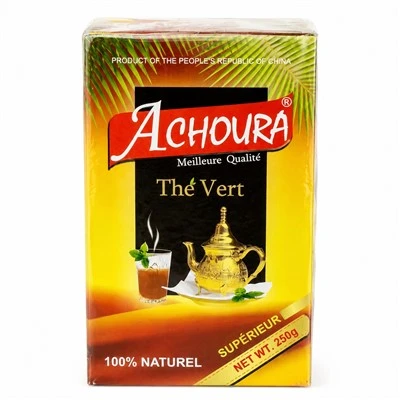
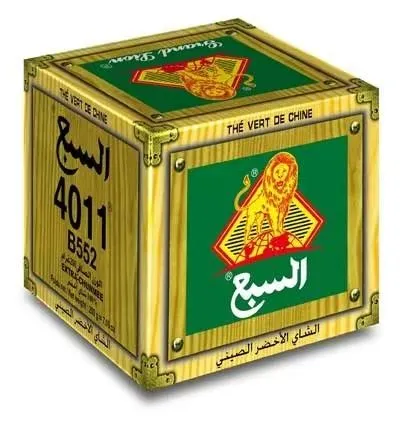
Shengzhou Houtu Tea Co., Ltd., rooted in Shengzhou's long-standing tea-growing heritage, stands at the heart of this enduring partnership. We specialize in producing and exporting premium CHINA GREEN TEA that meets the unique preferences of African and Arab consumers: consistent quality, rich flavor, excellent infusion, and suitability for traditional brewing methods-whether for Moroccan mint tea, West African ataya, or Arab-style strong green tea. Our tea is sourced from China's finest tea mountains, processed using time-honored craftsmanship combined with modern quality control, ensuring that every batch carries the authentic taste and cultural spirit of Chinese green tea.
We understand that green tea is more than a product for our African and Arab partners-it is a heritage, a tradition, and a way of life. That is why we are committed to sustainable sourcing, fair trade, and long-term collaboration. We work closely with importers, distributors, and communities across the region to deliver tea that honors history while meeting modern standards of quality and safety. For decades, Shengzhou Houtu Tea has been a trusted name in Africa and the Arab world, bridging China's tea legacy with the cultural lives of millions.
Conclusion: A Cup of Green Tea, A Legacy of Unity
The story of green tea in Africa and the Arab world is a story of connection. It is a story of how a single leaf from China's mountains traveled across oceans and deserts, adapted to new lands, and became a symbol of unity, hospitality, and shared humanity. From ancient Arab traders to modern families, from Saharan caravans to bustling city markets, green tea has woven itself into the daily lives and cultural identities of diverse communities.
This legacy is a reminder that trade is not just about goods-it is about exchanging culture, respect, and friendship. China Green Tea is more than an export; it is a bridge between civilizations. At Shengzhou Houtu Tea Co., Ltd., we are proud to be guardians of this legacy, delivering authentic, high-quality CHINA GREEN TEA to our partners in Africa and the Arab world, and nurturing the timeless bond that a cup of tea has created over centuries.
As we look to the future, we remain committed to upholding the craftsmanship, integrity, and cultural respect that have defined green tea's journey for millennia. Every cup of green tea enjoyed in a Moroccan riad, a Senegalese village, a Saudi majlis, or a Mauritanian tent carries with it the spirit of exchange-a spirit that began in China's tea gardens and continues to thrive across Africa and the Arab world.
For Shengzhou Houtu Tea Co., Ltd., this is more than business-it is a mission to preserve and promote the cultural heritage of China Green Tea, one cup at a time.