SHENGZHOU HOUTU TEA CO., LTD. | CHINA GREEN TEA
In the heart of West Africa, Mali stands as one of the most vibrant and fast-growing markets for China Green Tea. For Malian consumers, green tea is far more than a daily drink-it is a national symbol, a pillar of social life, a cornerstone of hospitality, and an essential part of cultural identity. Over recent years, Mali's tea imports have recorded strong growth, with Chinese green tea holding an absolutely dominant position in the market. As a professional exporter dedicated to the African market for decades, Shengzhou Houtu Tea Co., Ltd. has long regarded Mali as a strategic partner market. This article provides an in-depth overview of the Malian tea market: consumption culture, consumer preferences, import trends, quality requirements, and the long-term partnership between Houtu Tea and Malian customers.
Historical and Cultural Roots of Green Tea in Mali
The story of Chinese green tea in Mali dates back nearly 200 years. Historical records show that Chinese green tea first reached Timbuktu in northern Mali in the early 19th century, transported via Morocco and trans-Saharan camel caravans. Since then, green tea has gradually integrated into local life from north to south, eventually becoming Mali's national beverage.
Today, most Malians drink green tea multiple times a day, regardless of region, ethnicity, or social class. In rural villages, urban markets, family homes, and formal gatherings alike, green tea is always present. The famous Ataya tea ceremony is not only a way of making and drinking tea but also a social ritual representing patience, friendship, and mutual respect. Brewing strong green tea, pouring repeatedly to produce rich foam, and sharing three rounds of tea have become essential scenes in Malian daily life. This deeply rooted tea culture has created a stable and rigid demand for green tea, making Mali one of the most loyal markets for Chinese green tea in West Africa.
Market Size and Import Trends: Strong Growth for Chinese Green Tea
In recent years, Mali's tea imports have maintained rapid growth. Customs data shows that in the first five months of 2026, China's tea exports to Mali reached 5,701 tons, with a year-on-year increase of 76.8%-one of the highest growth rates among African markets. This remarkable growth reflects the strong confidence of Malian consumers and importers in China Green Tea.
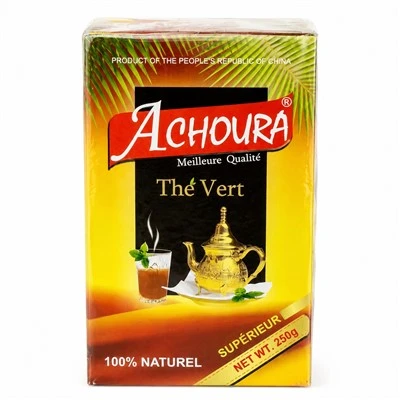
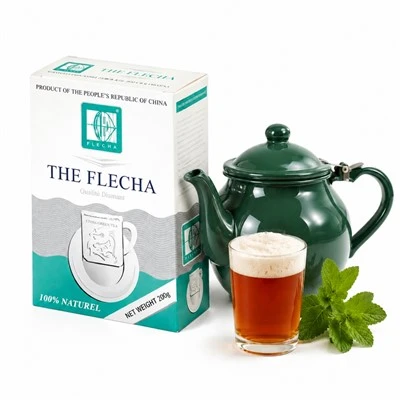
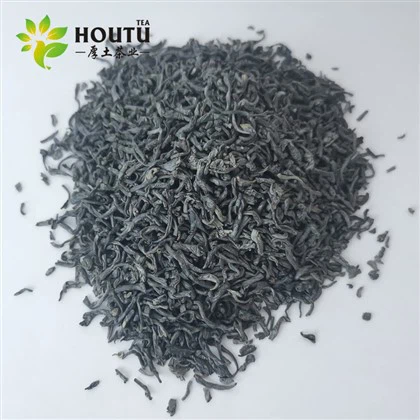
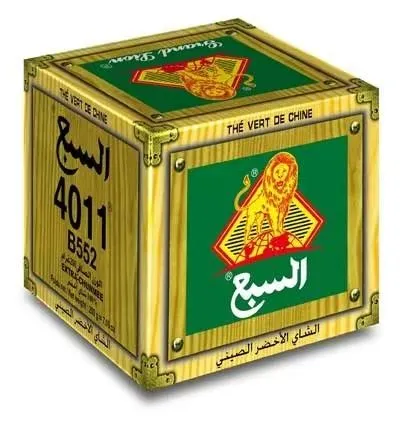
Mali's tea imports are almost entirely green tea, and over 95% comes from China. The main varieties imported are Chunmee Green Tea (especially 41022, 9366, 9367 series) and Gunpowder Green Tea, which are favored for their strong taste, bright color, rich foam, and resistance to multiple infusions. Unlike some markets that pursue light and fresh flavors, Malian consumers prefer strong, full-bodied, enduring green tea that can withstand long boiling and repeated brewing, perfectly matching the local Ataya brewing tradition.
Bamako's Grand Marché features a dedicated zone for Chinese green tea, where dozens of brands compete. Malian importers and consumers have high recognition of Chinese origin, and products clearly labeled CHINA GREEN TEA enjoy obvious competitive advantages. This market structure provides a solid foundation for high-quality Chinese tea enterprises like Shengzhou Houtu Tea to deepen their presence in Mali.
Core Consumer Preferences in Mali: What Malian Buyers Value Most
Through long-term cooperation with local importers, distributors, and terminal consumers, Houtu Tea has summarized the six core demands of the Malian market for China Green Tea:
1. Strong Taste and Enduring Infusion
Malian consumers love strong, thick, mellow green tea that can maintain good taste and color through three or more infusions. Weak or light-flavored teas are rarely accepted.
2. Excellent Foaming Performance
Foam is a key symbol of quality in the Ataya ceremony. Malian consumers judge tea quality by whether it can produce dense, white, long-lasting foam when poured.
3. Stable and Consistent Quality
Malian importers and households require stable taste, color, and appearance between batches. Inconsistent quality will directly affect sales and reputation.
4. Bright Liquor and Pure Aroma
The tea soup should be yellow-green and bright, with a pure, fresh tea aroma-no peculiar smell, no impurities, and no raw grassy taste.
5. Adaptability to Traditional Brewing
Malian consumers usually boil tea with high heat for a long time, so the tea must be heat-resistant, not bitter, not cloudy, and suitable for local traditional methods.
6. Food Safety and Traceability
As living standards rise, Malian buyers pay increasing attention to safety indicators, pesticide residue standards, and origin traceability. Reliable brands with complete qualifications are more popular.
These preferences directly guide product development and quality control of Houtu Tea for the Malian market.
Regional Differences in Consumption within Mali
Although green tea is popular nationwide, there are subtle differences between regions:
Northern Mali (Timbuktu, Kidal, Gao): Consumers prefer extra-strong, bitter-style green tea, with less sugar or no sugar, emphasizing the original taste of tea. Nomadic communities value long shelf life and easy portability.
Central and Southern Mali (Ségou, Sikasso, Bamako): Most consumers drink tea with sugar, favoring balanced strong taste with mild sweetness, and pay more attention to foam and aroma. Urban consumers have higher requirements for packaging and brand image.
In general, the entire Malian market is dominated by strong-flavored Chunmee and Gunpowder green tea, with high consistency in core demand, which is conducive to large-scale stable supply.
Why Shengzhou Houtu Tea Stands Out in the Malian Market
As a professional supplier deeply engaged in African green tea exports, Shengzhou Houtu Tea Co., Ltd. has established a good reputation and stable cooperative relationships in Mali for many years. Our advantages match the needs of the Malian market precisely:
1. Professional Product Positioning for West Africa
We focus on developing Chunmee 41022, 9366, 9367 and Gunpowder series specially tailored for Mali and West Africa. These products feature strong taste, good foaming, multiple infusions, and stable quality, which are highly recognized by local customers.
2. Strict Quality Control System
From tea garden picking, primary processing, refining, blending, to packaging and shipment, we implement full-process quality control. Each batch is tested to ensure compliance with Chinese and international food safety standards, so that Malian customers can use it safely.
3. Stable Supply Chain and Timely Delivery
We have long-term cooperative tea gardens and modern processing factories, ensuring stable supply throughout the year. We can quickly respond to peak demand during Ramadan, weddings, and festivals to avoid shortages.
4. Customer-Oriented Customization Services
We support customizing blending ratio, packaging specifications, labeling, and brand design according to importer requirements to meet the diversified needs of Malian distributors and brand owners.
5. Long-Term Partnership Mindset
We do not regard cooperation as a one-time transaction, but as long-term win-win partnership. We maintain close communication with Malian partners, understand market changes in a timely manner, and continuously optimize products and services.
For Malian importers, choosing Houtu Tea means choosing stable quality, reliable delivery, professional service, and sincere partnership.
Future Outlook of the Malian Tea Market
The future of Mali's tea market is promising:
Population growth and urbanization will continue to drive tea consumption expansion.
Young consumers maintain the tradition of drinking tea and have higher acceptance of branded products.
Demand for safe, high-quality, traceable China Green Tea will further increase.
As China-Africa economic and trade cooperation deepens, logistics and trade facilitation will bring more convenience to tea trade.
Shengzhou Houtu Tea will continue to increase investment in the Malian market, launch more products that meet local preferences, strengthen cooperation with local importers, and promote the stable and long-term development of China Green Tea in Mali.
Conclusion: A Shared Cup of Tea, A Shared Future
Mali is not only an important market but also a sincere partner of Shengzhou Houtu Tea Co., Ltd. The deep love of Malian people for green tea and the centuries-old tea culture provide a solid foundation for our cooperation. Every cup of Houtu China Green Tea enjoyed in Mali carries the craftsmanship of Chinese tea and the friendship between China and Mali.
We will continue to uphold the principles of quality first, integrity-based, and win-win cooperation, provide Malian customers with safer, more stable, and more suitable green tea products, and work together to write a new chapter of China-Africa tea culture exchange and trade cooperation.
SHENGZHOU HOUTU TEA CO., LTD. | Authentic CHINA GREEN TEA for Mali and West Africa