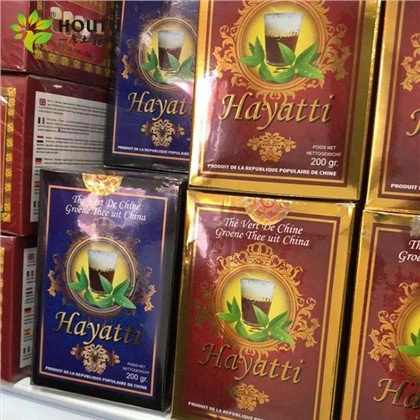
Green tea, a beverage deeply rooted in ancient traditions, has gained widespread popularity not only for its refreshing taste but also for its numerous health benefits. As a green tea supplier, I've witnessed firsthand the growing interest in the potential positive impacts of green tea on various aspects of health, including bone health. In this blog, we'll explore the scientific evidence behind how green tea affects bone health and why it might be a valuable addition to your daily routine.
The Composition of Green Tea and Its Potential Benefits for Bones
Green tea is rich in bioactive compounds, including polyphenols, catechins, and flavonoids. Among these, epigallocatechin gallate (EGCG) is one of the most well - studied and potent antioxidants found in green tea. These compounds have been the subject of extensive research due to their potential health - promoting properties.
Antioxidant and Anti - Inflammatory Effects
Oxidative stress and chronic inflammation are two factors that can contribute to bone loss and osteoporosis. Oxidative stress occurs when there is an imbalance between free radicals and antioxidants in the body. Free radicals can damage cells, including bone cells, leading to a decrease in bone density over time. Chronic inflammation, on the other hand, can disrupt the normal bone remodeling process, where old bone is broken down and new bone is formed.
Green tea's antioxidants, especially EGCG, can help neutralize free radicals and reduce oxidative stress. By doing so, they protect bone cells from damage. Additionally, these antioxidants have anti - inflammatory properties, which can help reduce inflammation in the body. A study published in the "Journal of Agricultural and Food Chemistry" found that EGCG can inhibit the production of pro - inflammatory cytokines, which are molecules that play a role in inflammation. By reducing inflammation, green tea may help maintain a healthy bone remodeling process.

Impact on Bone Cell Activity
Bone health is maintained through a delicate balance between bone - forming cells called osteoblasts and bone - resorbing cells called osteoclasts. Osteoblasts are responsible for building new bone, while osteoclasts break down old or damaged bone. In conditions like osteoporosis, there is an imbalance where osteoclast activity is increased, leading to more bone resorption than bone formation.
Research has shown that green tea compounds can influence the activity of these bone cells. EGCG has been found to stimulate the proliferation and differentiation of osteoblasts, which means it can help increase the number of bone - building cells and enhance their ability to form new bone. At the same time, it can inhibit the formation and activity of osteoclasts, reducing bone resorption. A study in the "Journal of Nutrition" demonstrated that green tea extract supplementation increased bone mineral density in animal models by promoting osteoblast activity and suppressing osteoclast activity.
Epidemiological Evidence
Epidemiological studies, which look at the relationship between diet and health in large populations, have also provided some insights into the link between green tea consumption and bone health.
In Asian populations, where green tea consumption is traditionally high, there is a relatively lower prevalence of osteoporosis compared to Western populations. While this could be due to a combination of factors, including diet, lifestyle, and genetics, some studies have specifically looked at the role of green tea. A cross - sectional study in Japanese women found that those who consumed more green tea had higher bone mineral density in the lumbar spine and femoral neck compared to those who consumed less green tea.
However, it's important to note that epidemiological studies can only show associations, not causation. Other factors in the diet and lifestyle of these populations may also contribute to better bone health.
Incorporating Green Tea into Your Diet for Bone Health
If you're interested in reaping the potential bone - health benefits of green tea, here are some tips on how to incorporate it into your daily routine:
- Drink it regularly: Aim to drink 2 - 3 cups of green tea per day. You can have it in the morning, afternoon, or even as a replacement for other beverages like coffee or sugary drinks.
- Choose high - quality green tea: As a green tea supplier, I recommend selecting high - quality green tea leaves. For example, Jasmine Tea Beautiful Appearance Strong Fragrance offers a fragrant and flavorful option. You can also consider China Green Tea 9366 9371 And 41022 With Factory Price, which provides a cost - effective choice.
- Brew it properly: To get the most out of your green tea, brew it at the right temperature and for the right amount of time. Green tea is best brewed with water that is around 80 - 85°C (176 - 185°F) for 2 - 3 minutes. This helps extract the beneficial compounds without making the tea too bitter.
Other Considerations
While green tea has many potential benefits for bone health, it's important to be aware of some potential interactions. Green tea contains caffeine, which in large amounts can have a negative impact on bone health by increasing calcium excretion. However, the amount of caffeine in green tea is generally lower than in coffee. As long as you consume green tea in moderation, the positive effects on bone health are likely to outweigh any potential negative effects of caffeine.
Conclusion
In conclusion, the scientific evidence suggests that green tea can have a positive impact on bone health. Its bioactive compounds, such as EGCG, can help reduce oxidative stress, inflammation, and influence bone cell activity. Epidemiological studies also show an association between green tea consumption and better bone health in some populations.
As a green tea supplier, I'm passionate about providing high - quality green tea products that can contribute to your overall health. Whether you're looking for a fragrant jasmine tea or a bulk option like Gunpowder Green Tea to Morocco in bulk loose tea, we have a variety of choices to meet your needs.
If you're interested in purchasing green tea for its potential bone - health benefits or for its delicious taste, I encourage you to reach out for a procurement discussion. We can work together to find the best green tea products for you.
References
- Journal of Agricultural and Food Chemistry. "Anti - inflammatory effects of epigallocatechin - 3 - gallate in lipopolysaccharide - stimulated macrophages."
- Journal of Nutrition. "Green tea extract supplementation increases bone mineral density in ovariectomized rats."
- Cross - sectional study on Japanese women's green tea consumption and bone mineral density.