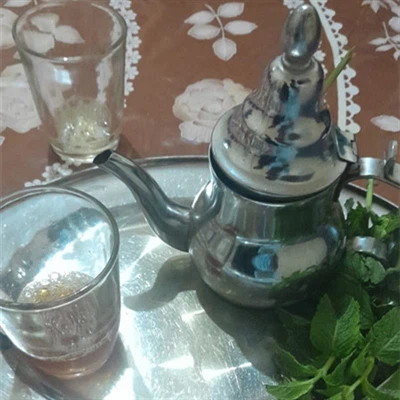
As a supplier of famous teas, I've had the privilege of exploring the vast and intricate world of tea. Identifying high-quality famous teas is both an art and a science, and it's a skill that I've honed over years of experience. In this blog, I'll share some of the key factors and methods I use to identify these exceptional teas.
Appearance and Aroma
The first step in identifying high-quality famous teas is to examine their appearance. For green teas, such as Chinese Green Tea Sencha Foil Bag Packing, the leaves should be vibrant in color, with a fresh and natural look. They should be well-formed, without any signs of damage or discoloration. In the case of black teas, like Blcak Tea, the leaves should have a rich, dark color and a shiny appearance.
Aroma is another crucial aspect. High-quality teas emit a pleasant and complex aroma. For green teas, the aroma might be fresh, grassy, or floral. Black teas, on the other hand, can have a more robust and malty aroma. When you open a package of tea, take a deep breath and let the aroma fill your senses. A strong, inviting aroma is often a sign of a high-quality tea.
Taste and Flavor
Taste is perhaps the most important factor in determining the quality of a tea. When brewing a tea, pay attention to the flavor profile. A high-quality tea should have a well-balanced flavor, with no harsh or bitter notes. For example, Libyan Excellent 250g ZAHRA Box Delicious Black Tea should have a smooth, rich, and full-bodied flavor.
The taste of a tea can also be influenced by the brewing method. Different teas require different brewing times and temperatures. For green teas, a lower temperature and shorter brewing time are usually recommended to preserve the delicate flavor. Black teas, on the other hand, can withstand higher temperatures and longer brewing times.
Origin and Production
The origin of a tea can have a significant impact on its quality. Some regions are known for producing exceptional teas due to their unique climate, soil, and growing conditions. For example, Darjeeling in India is famous for its high-quality black teas, while Hangzhou in China is renowned for its green teas.
The production process also plays a crucial role in determining the quality of a tea. High-quality teas are often hand-picked and processed with great care. The leaves are carefully sorted, with only the best ones being selected for use. The processing methods, such as oxidation for black teas and steaming for green teas, are also important factors.
Packaging and Brand
The packaging of a tea can provide some clues about its quality. High-quality teas are often packaged in airtight containers to preserve their freshness and flavor. The packaging should also be well-designed and informative, with details about the tea's origin, flavor profile, and brewing instructions.
The brand of a tea can also be an indicator of quality. Reputable brands often have a long history of producing high-quality teas and are known for their commitment to excellence. However, it's important to note that brand alone is not a guarantee of quality. It's still important to evaluate the tea based on its appearance, aroma, taste, and origin.
Certifications and Standards
Certifications can be a useful tool in identifying high-quality famous teas. For example, organic certifications indicate that the tea has been grown without the use of synthetic pesticides and fertilizers. Fair trade certifications ensure that the tea has been produced under fair working conditions and that the farmers have received a fair price for their products.
In addition to certifications, there are also industry standards for tea quality. These standards define the criteria for factors such as appearance, aroma, taste, and chemical composition. By referring to these standards, you can have a better understanding of what to expect from a high-quality tea.
Sampling and Tasting
One of the best ways to identify high-quality famous teas is to sample and taste different varieties. Many tea suppliers offer tea tasting events or samples, which allow you to experience the tea firsthand. When tasting a tea, pay attention to the flavor, aroma, and mouthfeel. Take your time to savor the tea and note any nuances or characteristics.
It's also a good idea to compare different teas side by side. This can help you identify the differences in flavor, aroma, and quality between different varieties. By tasting a variety of teas, you can develop a better understanding of what you like and what to look for in a high-quality tea.
Conclusion
Identifying high-quality famous teas is a multi-faceted process that involves evaluating the appearance, aroma, taste, origin, production, packaging, brand, certifications, and standards. By using these methods and techniques, you can make more informed decisions when purchasing tea.


If you're interested in purchasing high-quality famous teas, I invite you to contact me for more information. I'm always happy to share my knowledge and expertise with fellow tea enthusiasts. Whether you're a tea connoisseur or just starting to explore the world of tea, I'm confident that I can help you find the perfect tea for your taste and preferences.
References
- "The Tea Book" by Jane Pettigrew and Bruce Richardson
- "All About Tea" by Theresa L. Hughey
- "The World of Tea" by James Norwood Pratt