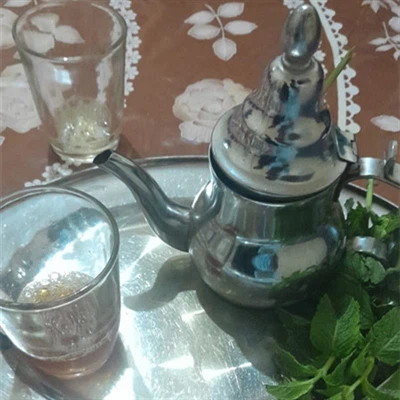
Flower tea has long been cherished not only for its delightful aroma and delicate taste but also for its potential health benefits. One question that has piqued the interest of many health - conscious consumers and researchers alike is whether flower tea has any anti - mutagenic properties. As a flower tea supplier, I am constantly exploring the scientific basis behind the qualities of the teas we offer, and in this blog, I will delve into the topic to provide you with a comprehensive understanding.
Understanding Mutagens and Anti - mutagenic Effects
Before we discuss the anti - mutagenic properties of flower tea, it is essential to understand what mutagens are. Mutagens are agents that can cause changes or mutations in the DNA of cells. These can be physical agents like radiation, chemical substances such as certain industrial pollutants, or even some naturally - occurring compounds in food. Mutations in DNA can lead to various health problems, including cancer, genetic disorders, and other diseases.
Anti - mutagenic substances, on the other hand, are those that can prevent or reduce the mutagenic effects of these harmful agents. They can act through different mechanisms, such as scavenging free radicals, inhibiting the activation of mutagens, or enhancing the DNA repair process in cells.
The Composition of Flower Tea
Flower tea is made by infusing various types of flowers, sometimes in combination with herbs or tea leaves. The most common flowers used in flower tea include jasmine, rose, chrysanthemum, and osmanthus. Each type of flower tea has a unique chemical composition, which contributes to its flavor and potential health benefits.
For instance, jasmine, a popular flower used in flower tea, contains compounds like polyphenols, flavonoids, and essential oils. Polyphenols are well - known antioxidants, and they can scavenge free radicals in the body. Free radicals are unstable molecules that can cause oxidative stress and damage to cells, which may lead to mutations. Flavonoids, a type of polyphenol, have been shown to have anti - inflammatory, antioxidant, and anti - mutagenic properties in many studies.
Scientific Evidence of Anti - mutagenic Properties in Flower Tea
Numerous scientific studies have investigated the potential anti - mutagenic effects of different types of tea, including flower tea.
Polyphenols and Anti - mutagenesis: Many flower teas contain high levels of polyphenols. Research has demonstrated that polyphenols can inhibit the formation of mutagenic compounds. For example, in some in - vitro studies, polyphenols from tea have been shown to react with mutagenic substances, preventing them from binding to DNA. A study published in the Journal of Agricultural and Food Chemistry found that the polyphenols in green tea could reduce the mutagenic activity of certain carcinogens. Since many flower teas, such as jasmine green tea, are made by blending jasmine flowers with green tea leaves, they inherit these anti - mutagenic properties.
Antioxidant Activity: The antioxidant activity of flower tea is closely related to its anti - mutagenic potential. Oxidative stress is a major cause of DNA damage and mutations. The antioxidants in flower tea, such as flavonoids and vitamins, can neutralize free radicals and reduce oxidative stress. A research paper in the Food and Chemical Toxicology journal reported that the antioxidant capacity of chrysanthemum tea was able to protect cells from oxidative damage, which in turn could prevent mutagenesis.
Specific Types of Flower Tea and Their Anti - mutagenic Potential
Jasmine Green Tea: Jasmine green tea is a popular choice among flower tea lovers. It combines the refreshing flavor of green tea with the sweet and fragrant aroma of jasmine flowers. Jasmine green tea is rich in catechins, a type of polyphenol. Catechins have been extensively studied for their anti - mutagenic and anti - cancer properties. They can inhibit the growth of cancer cells and prevent the formation of mutagenic compounds. If you are interested in high - quality jasmine green tea, you can check out our Jasmine Green Tea Achoura same quality.


Chinese Chunmee Excellent Jasmine Green Tea: This tea is another excellent option. Chunmee is a type of green tea known for its unique shape and flavor. When combined with jasmine, it not only offers a pleasant taste but also potential health benefits. The combination of the antioxidants in Chunmee green tea and the bioactive compounds in jasmine flowers may enhance its anti - mutagenic effects. You can explore our Chinese Chunmee Excellent Jasmine Green Tea.
Best Jasmine Green Tea: Our best - quality jasmine green tea is made from fresh jasmine flowers and high - grade tea leaves. It undergoes a meticulous production process to ensure the preservation of its bioactive components. The natural antioxidants in this tea can protect your cells from the harmful effects of mutagens. You can learn more about our Best Jasmine Green Tea.
Implications for Health
The potential anti - mutagenic properties of flower tea have significant implications for human health. By regularly consuming flower tea, people may be able to reduce their risk of developing certain diseases caused by DNA mutations, such as cancer. Moreover, flower tea is a natural and healthy alternative to many sugary beverages and caffeinated drinks, which often lack the beneficial bioactive compounds found in flower tea.
However, it is important to note that while the scientific evidence suggests that flower tea may have anti - mutagenic properties, it is not a substitute for a balanced diet and a healthy lifestyle. Other factors, such as proper nutrition, regular exercise, and avoiding exposure to known mutagens, also play crucial roles in maintaining good health.
Contact for Purchase and Collaboration
If you are interested in our high - quality flower teas, I invite you to get in touch for further discussion. Whether you are a tea retailer looking to expand your product line or a tea enthusiast wanting to experience the best flower teas, we are here to serve you. Our flower teas are sourced from the finest flowers and tea leaves, ensuring the highest quality and most beneficial properties. Reach out to us for procurement discussions and let us help you bring the wonderful world of flower tea to your customers or to your personal tea collection.
References
- Journal of Agricultural and Food Chemistry, Multiple studies on polyphenols in tea and their anti - mutagenic effects.
- Food and Chemical Toxicology, Research on the antioxidant capacity and anti - mutagenic potential of chrysanthemum tea.