Overseas chinese tea Export Market Latest Data (Jan–May 2026 Customs Statistics)
Overall trait: Reduced export volume yet rising unit prices, with average export prices climbing continuously
1. Total volume & value: 163,000 tons exported (down 3% year-on-year), with an export value of 630 million US dollars (up 6.2% year-on-year) and an average unit price of 3.9 USD/kg, marking a 9.5% price increase. The industry is moving away from cut-throat competition based on low-cost raw materials.
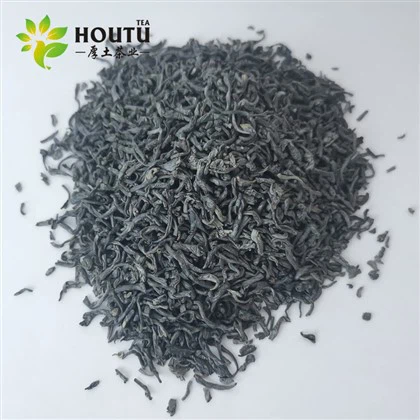
2. Diverging export performance by tea category ◦ Growing varieties: Ripe Pu'er tea (+17.9%), jasmine tea (+13.6%) and white tea (+10.1%), driven by rising overseas demand for high-end flavored tea. ◦ Declining varieties: Bulk green tea, regular black tea and oolong tea, facing intensified competition for low-priced raw materials.
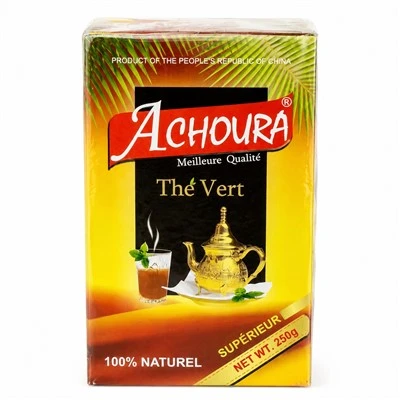
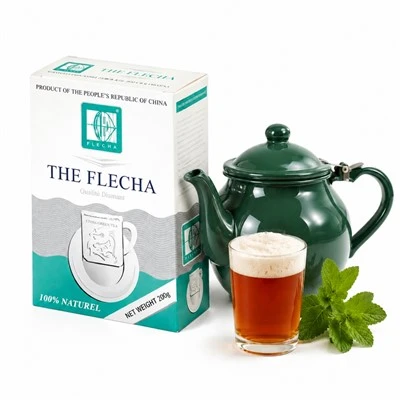
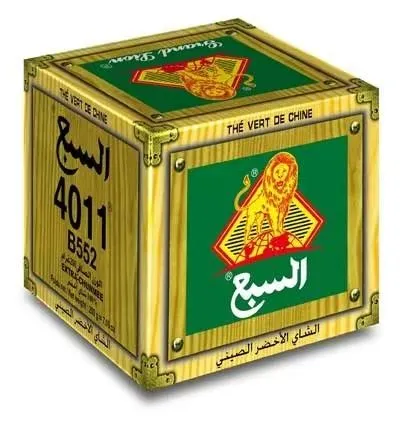
3. Core overseas markets ◦ Traditional major buyers: Morocco remains China's top importer of green tea; multiple African countries including Mauritania, Mali and Senegal continue large-scale purchases of bulk green tea. ◦ High-growth emerging markets: RCEP ASEAN countries, the EU and North America. European and American consumers favor functional tea and fruit-flavored whole-leaf tea bags, with premium retail prices of 25–45 USD per box delivering substantial profit margins. ◦ Industry pain point: China's tea exports still rely heavily on bulk raw materials, with few independent domestic brands gaining global recognition. Overseas consumers are familiar with the concept of "Chinese tea" yet recognize almost no well-known Chinese tea trademarks.
4. Impact of new export regulations: The EU enforces a full biodegradable packaging mandate for food products starting 2026, forcing Chinese tea exporters to fully switch