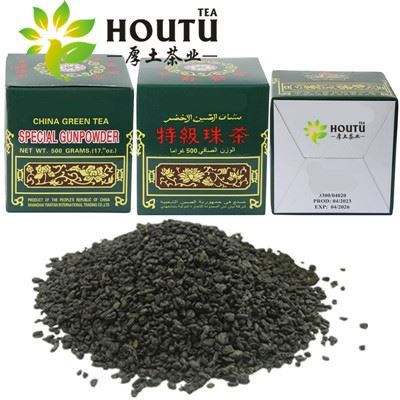
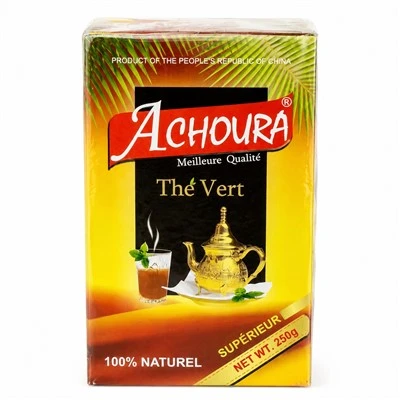
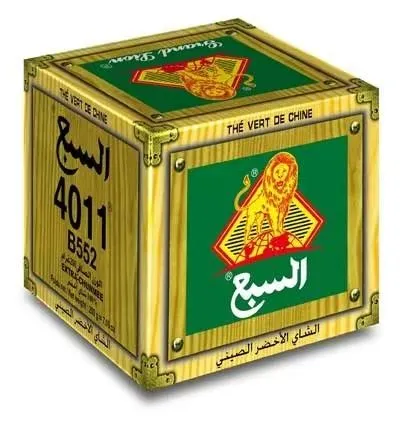
The ranking confirms that African demand is central to China's export programme, especially for green tea. It also means production planning, grades and pack formats for Africa are supported by a broad commercial base rather than a niche flow.
HOUTU TEA's West African buyers can use this data to plan earlier around Ramadan, festivals, port congestion and local inventory cycles. The goal is not to copy another market's grade, but to understand when shared Chinese capacity may tighten.
Buyers gain leverage from scale but also face competition around peak shipment periods. Country-specific demand cycles, credit conditions and consumer preferences can move independently, so the continental headline should be broken down by destination.
- Map demand peaks by destination
- Reserve packing capacity before holidays
- Keep country labels and documents separate
- Review credit exposure by buyer market
Market statistics should guide questions, timing and risk controls; they should not be copied into a contract as though they were live quotations. Grade, moisture, packing, inspection, payment, freight, duty and local delivery must be normalised before comparing suppliers.
Before approval, the buyer should save the offered specification, reference sample, laboratory scope, packing configuration and freight validity in one comparison record. This turns a news signal into an auditable purchase decision and prevents later changes from being mistaken for the original offer.
For specification matching, samples, private-label packing and shipment planning, contact Sophie at jessie@hoututea.com or WhatsApp +86 18888798057.