Kenyan Tea Exporters Turn Toward China And South Africa After New Market-Access Openings

Aug 24, 2026

Leave a message

Sophia Xu
Sophia Xu
Sophia is an experienced tea taster at Shengzhou Houtu Tea Co., Ltd. She has a sharp palate and can accurately evaluate the taste and quality of various green teas, providing valuable opinions for the company's production.
COMPLIANCE CONTROL MEMO · GLOBAL TEA NEWS 167
Kenyan Tea Exporters Turn toward China and South Africa after New Market-Access Openings
The EastAfrican · Source date: 2026-08-01
Control boundary: Removal of a tariff or completion of an access step does not guarantee immediate sales volume.
Kenyan tea exporters are seeking growth in China and South Africa after China market-access progress and South Africa's removal of a 35% duty in November 2025, partly offsetting lost trade with Sudan and Iran.
KEY SIGNAL
South Africa removed a 35% duty
KEY SIGNAL
China market access has advanced
KEY SIGNAL
Sudan and Iran trade has weakened
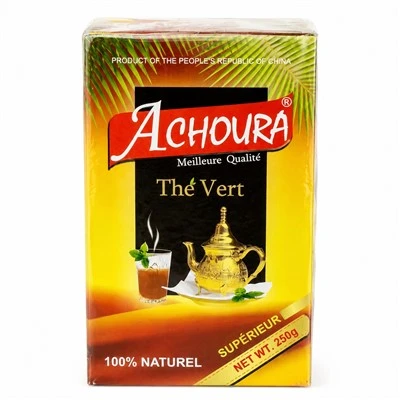
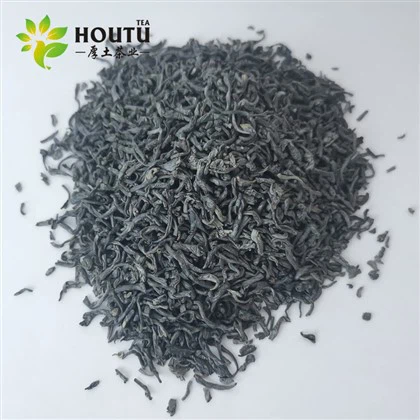
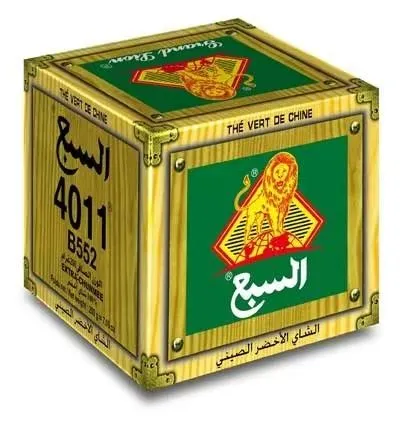
Illustrative HOUTU TEA image: tea distribution and market development in Africa.

Why the control matters

New access changes the opportunity set but not the product-market fit. China has a large domestic tea culture and imports particular styles and quality profiles; South African channels also have established price points and formats. Kenyan exporters will need targeted products, reliable distribution and patient customer development rather than treating both destinations as outlets for undifferentiated surplus.

For existing destinations, diversification can be positive because it spreads producer risk and may support quality investment. It can also create competition for selected grades. Buyers should watch actual shipment volumes, repeat orders and realised values rather than assuming that an announced opening immediately absorbs large tonnage.

Required control actions

Share a realistic quarterly demand forecast.
Approve alternates before supply tightens.
Track shipment data, not announcements alone.
Use performance history in price and allocation discussions.

Commercial effect for buyers

West African importers remain relevant partners when they offer dependable payment, clear specifications and repeat programmes. Suppliers entering new markets may prioritise stable customers over purely opportunistic bids, so procurement relationships and forecast quality matter.

Evidence to keep current

Repeat Kenyan shipments to China and South Africa.
Grade-level competition created by the new channels.
How the control works in practice

A buyer fears that every Kenyan grade will be diverted to China. It reviews the cup and format required in China, compares them with its own PF1 programme and asks the supplier about actual confirmed demand. The exposure is narrowed to relevant grades instead of the entire origin.


Discuss the commercial response with HOUTU TEA
Ask Sophie how a repeat buying programme can improve allocation security as markets diversify.
Source basis: The EastAfrican. HOUTU TEA summarises the public information and adds commercial interpretation for international tea buyers. View the original source.
Send Inquiry
Contact us if have any question

You can either contact us via phone, email or online form below. Our specialist will contact you back shortly.

Contact now!