China’s Tea Export Revenue Grows 4.2% in January–July Even As Volume Declines 4.2%

Aug 24, 2026

Leave a message

Sophia Xu
Sophia Xu
Sophia is an experienced tea taster at Shengzhou Houtu Tea Co., Ltd. She has a sharp palate and can accurately evaluate the taste and quality of various green teas, providing valuable opinions for the company's production.
GLOBAL TEA TRADE DESK · GLOBAL TEA NEWS 144
China's Tea Export Revenue Grows 4.2% in January–July even as Volume Declines 4.2%
China Customs data via Foodmate · Source date: 2026-08-21
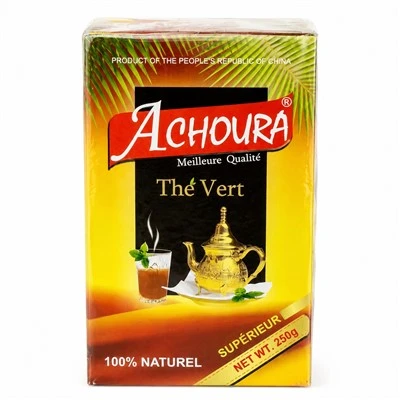
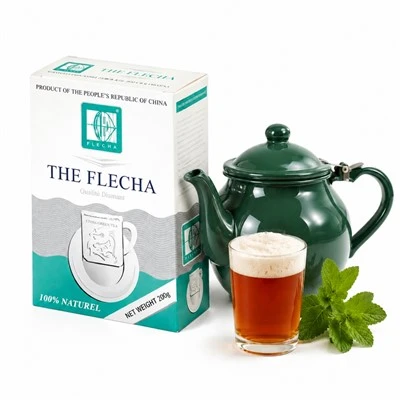
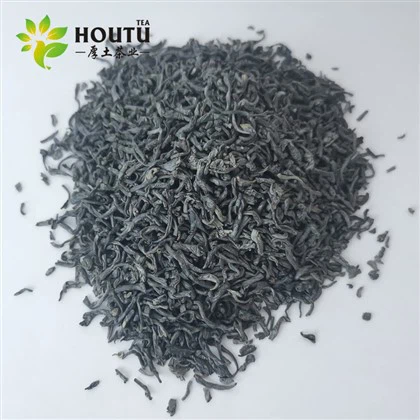
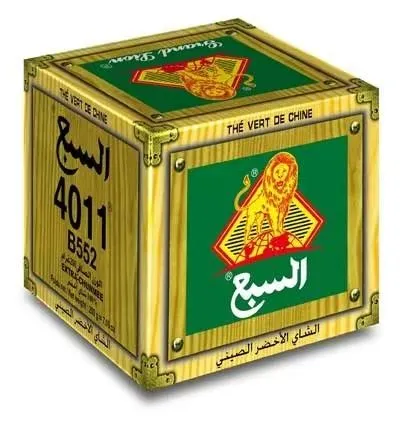
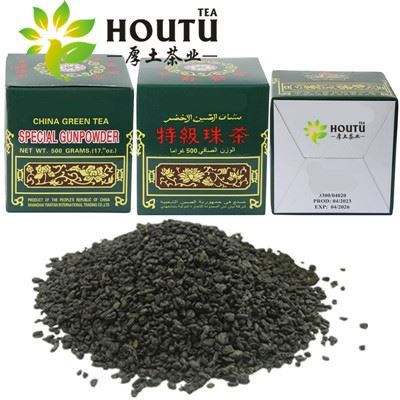
Illustrative HOUTU TEA image: global tea sourcing routes and destination planning.
Across January–July 2026, China exported 223,600 tonnes of tea worth US$871 million: volume declined 4.2%, export value increased 4.2%, and average value rose 8.8% to US$3.90 per kilogram.
KEY SIGNAL
223,600 tonnes in seven months
KEY SIGNAL
US$871 million export value
KEY SIGNAL
US$3.90/kg average, up 8.8%

Trade desk analysis

The seven-month view is more useful for annual purchasing plans than one volatile month. It shows a market earning more from fewer exported tonnes. This is consistent with a shift toward higher-value orders or stronger unit economics, but it does not identify whether the change came from leaf grade, destination mix, currency, retail packing or contract timing.

An importer planning two or three containers should use this divergence to test budget resilience. If the business model depends on last year's FOB price remaining flat, an 8.8% increase in the aggregate unit value is a warning to update the model. The response may be a different shipment cadence, pack architecture or product ladder rather than a simple retail price increase.

West Africa translation

For Sahel and coastal West African markets, maintaining an entry-price green tea while protecting quality may require two clearly separated products: a high-velocity core blend and a better-grade line with a visible reason for its premium. Quietly weakening one blend to preserve a price point creates a larger repeat-purchase risk.

Four practical moves

Reforecast full-year purchasing with several FOB scenarios.
Protect the approved blend instead of making unrecorded substitutions.
Model smaller, more frequent shipments where inventory finance is tight.
Build a premium tier only when the sensory difference is demonstrable.

Next market checks

Full-year export value per kilogram.
Destination-level changes that could redirect Chinese supply.
Do not overread the headline: The January–July numbers aggregate all tea types and export markets. They should guide scenario planning, not replace a supplier quotation or product test.
What this can look like in a real order

A buyer budgeting three containers at last year's unit cost adds base, 5% and 10% price scenarios before committing marketing funds. The team then tests whether pack-size changes or a two-tier assortment can absorb the movement without weakening the cup. This turns a trade statistic into a cash-flow decision.

Discuss the commercial response with HOUTU TEA
Sophie can help compare core and premium green-tea options without mixing their specifications.
Source basis: China Customs data via Foodmate. HOUTU TEA summarises the public information and adds commercial interpretation for international tea buyers. View the original source.
Send Inquiry
Contact us if have any question

You can either contact us via phone, email or online form below. Our specialist will contact you back shortly.

Contact now!