|
KEY SIGNAL
28,000 tonnes exported in July
|
KEY SIGNAL
US$115 million export value
|
KEY SIGNAL
US$4.12/kg average, up 12.3%
|

What changed
The gap between volume and value is the central signal. China shipped materially less tea than a year earlier, yet the reduction in revenue was much smaller because the average value per kilogram increased. That can reflect a different product or destination mix, firmer pricing, or both; the public data do not prove that every grade became 12.3% more expensive.
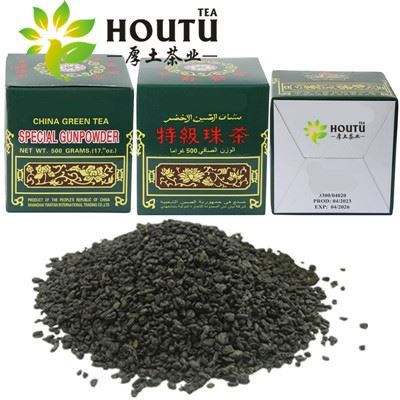
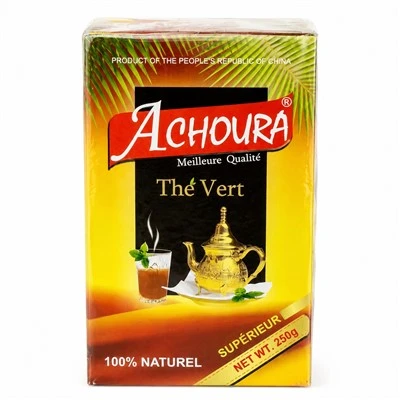
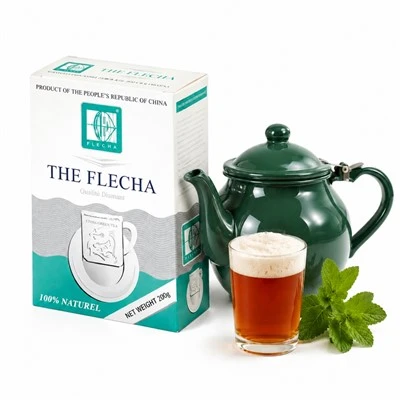
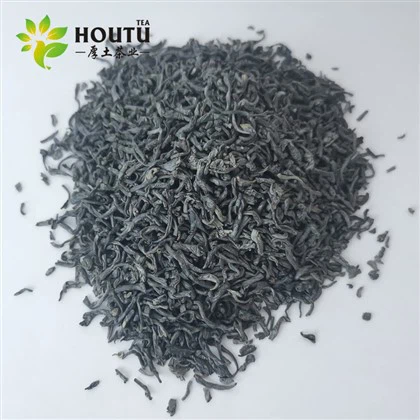
For buyers, the monthly headline should therefore trigger a quotation review rather than a blanket assumption about scarcity. A supplier selling a standardized West African green-tea blend may experience a very different cost movement from an exporter focused on oolong, scented tea or small retail packs. Contract decisions still need grade-level and pack-level evidence.
Decision for West African buyers
West African importers should compare the new quotation with the approved sample, packing format, payment terms and sailing plan. If the price rises while the specification is unchanged, ask which cost component moved. If the blend or pack improved, record that change separately so the next shipment can be compared on the same basis.
Four practical moves
Signals to monitor
A distributor receives a quotation that is 9% above the previous order. Instead of treating the customs average as automatic justification, the buyer asks for the exact blend sheet, net tea weight, carton count and freight basis. If those inputs are unchanged, the negotiation focuses on leaf price and margin; if the pack has changed, the comparison is rebuilt per kilogram of saleable tea.