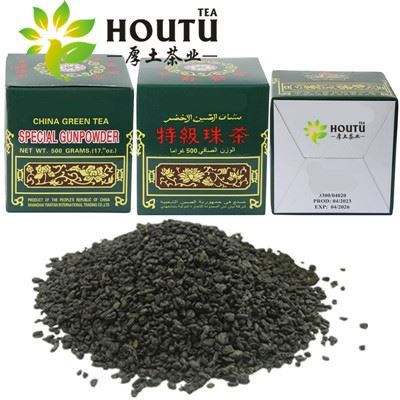
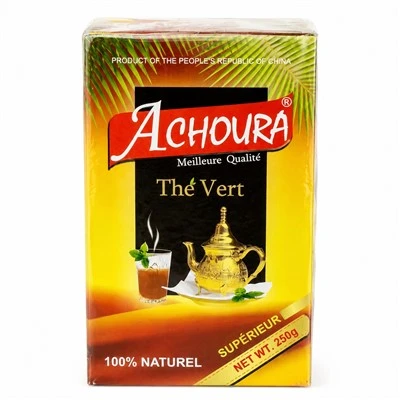
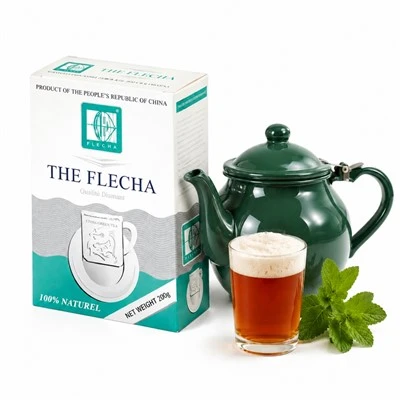
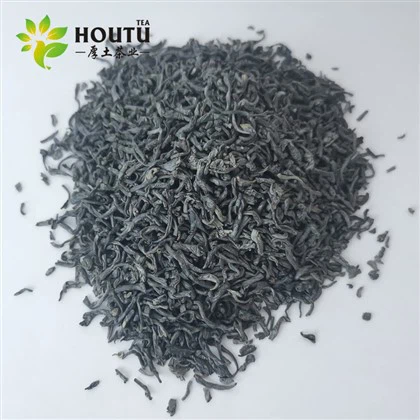
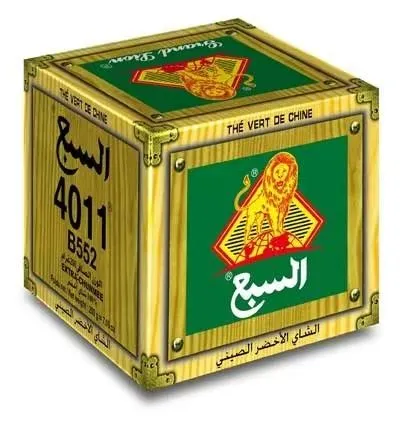
Green tea dominates China's export basket, making this one of the most relevant indicators for West African buyers. Yet the average combines gunpowder, chunmee, jasmine bases, specialty leaves and multiple pack formats.
Buyers should expect suppliers to reference the firmer market, but they can still negotiate specification-specific value. Yield, sorting standard, dust allowance, cup profile and packing efficiency determine the real economics of a container.
A higher national unit value makes blend and grade architecture more important. Entry-level SKUs may need tighter specification engineering, while premium products can defend margin through consistency and provenance.
- Compare the exact grade year on year
- Measure dust and broken-leaf tolerance
- Optimise carton and bag payload
- Protect cup standard before chasing price
Market statistics should guide questions, timing and risk controls; they should not be copied into a contract as though they were live quotations. Grade, moisture, packing, inspection, payment, freight, duty and local delivery must be normalised before comparing suppliers.
Before approval, the buyer should save the offered specification, reference sample, laboratory scope, packing configuration and freight validity in one comparison record. This turns a news signal into an auditable purchase decision and prevents later changes from being mistaken for the original offer.
For specification matching, samples, private-label packing and shipment planning, contact Sophie at jessie@hoututea.com or WhatsApp +86 18888798057.